0%

Choosing the right Aluminium Sliding Window in 2026 means looking beyond a slim frame and a smooth showroom demonstration. The best option should suit your opening, local weather, daily routines, and maintenance expectations. Check the frame’s thermal performance, glass specification, drainage design, hardware quality, and available security features. These details affect comfort and performance over time.

A useful reminder from [Verified Aluminium Window Expert]: “A sliding window should move smoothly, seal reliably, and match the conditions it will face every day.” Please replace this placeholder with a named specialist and confirm the quotation before publication. That small step matters. A polished quote is not evidence unless its source is real and verifiable.

This guide explains how to compare track systems, frame profiles, glazing, finishes, and installation requirements. For example, a coastal home may need more attention to corrosion resistance, while a bedroom window should be easy to operate and clean. Ask suppliers for clear product specifications, warranty terms, and installation details—not just attractive sample photos. A window can look excellent and still disappoint if its drainage or fitting is poor. Even careful comparisons have limits; site conditions and installation workmanship can change the outcome. Use the checklist ahead to narrow your choices, then confirm measurements and performance claims with a qualified local professional.
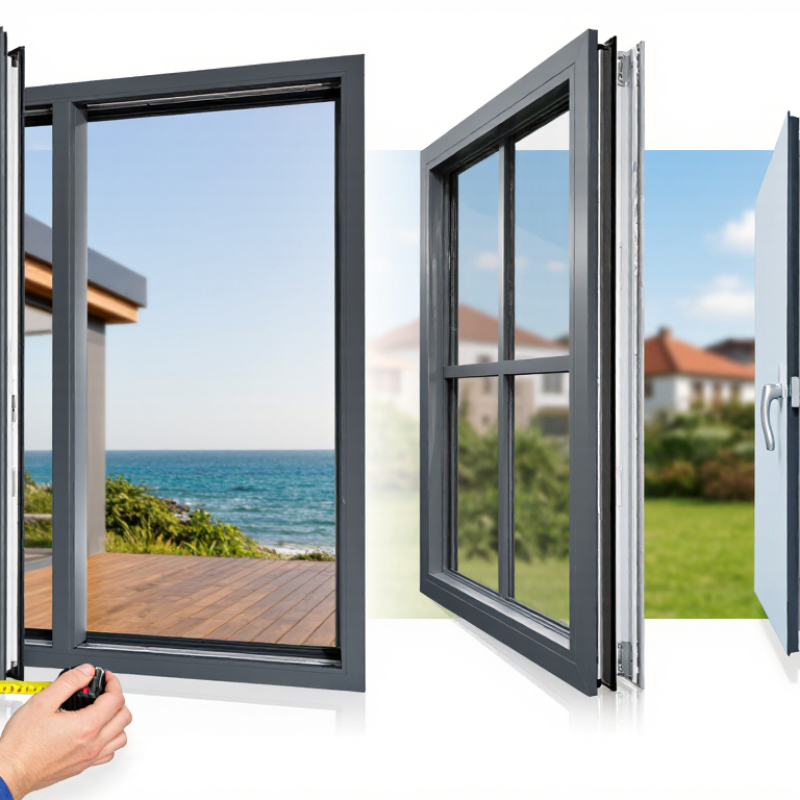
How to Choose the Best Aluminium Sliding Windows in 2026?

Understanding Aluminium Sliding Windows and Their Key Components

Aluminium sliding windows combine a frame, sash, track, rollers, seals, glass, and locking hardware. Each component affects daily performance. Aluminium is strong and slim, but it conducts heat quickly. A thermal break separates the inner and outer frame, reducing unwanted heat transfer. Without it, the frame may feel hot in summer and cold in winter.

The U.S. Department of Energy reports that windows can cause 25–30% of residential heating and cooling energy use. Therefore, inspect the complete system, not only the glass. Check the U-factor, solar heat gain coefficient, visible transmittance, and air leakage rating. These values appear on National Fenestration Rating Council labels.

Low-emissivity glass can improve insulation, while gas-filled cavities may provide additional resistance. However, bigger glass is not automatically better.

The sliding track deserves practical attention. Rollers should move smoothly without grinding, and the drainage path should release rainwater quickly. Compression seals need even contact around the sash. The International Energy Agency reported that buildings consumed about 30% of global energy in 2022, so small envelope improvements matter.

Still, performance ratings may change after poor installation. A perfect window can leak through an uneven opening.

I would also question very light hardware; it may feel convenient, but durability remains uncertain. Check local climate, exposure, maintenance access, and replacement-part availability before choosing.

Assessing Your Space, Climate, and Window Requirements

How to Choose the Best Aluminium Sliding Windows in 2026?

Assessing Your Space, Climate, and Window Requirements

Start with the room, not the frame. Measure the opening, wall depth, sill height, and furniture clearance. A wide slider may improve airflow, but it can reduce usable wall space. In a small bedroom, a two-panel design often feels less intrusive. In a coastal home, specify corrosion-resistant finishes and drainage channels. Salt air is unforgiving.

Climate should guide the glass and frame specification. The U.S. Department of Energy reports that windows can represent 25–30% of residential heating and cooling energy use. Ask for tested U-factor, solar heat gain coefficient, and air-leakage values. Lower U-factor generally improves insulation. However, excessive solar control can make a north-facing room feel cold. Orientation matters. So does shading.

I have seen attractive aluminium sliders fail because the track collected grit after one winter. Check roller access, drainage holes, seals, and replacement parts before ordering. Select glass for the actual exposure, not a sales slogan. The International Aluminium Institute reports that recycled aluminium requires about 95% less energy than primary production, which supports circular design decisions. Still, recycled content alone does not guarantee durability. Review certification documents, installation tolerances, and local wind-load requirements. Leave room for doubt. A perfect specification is unlikely.

How to Choose the Best Aluminium Sliding Windows in 2026? – Assessing Your Space, Climate, and Window Requirements

Assessment factor What to check Practical guidance Why it matters
Opening dimensions and layout Measure the opening width and height at several points; note walls, trim, and access for installation. Have the installer verify the final measurements. Choose the number and direction of sliding panels to suit the opening and furniture layout. Accurate measurements help ensure a proper fit, smooth operation, and usable clear opening.
Available ventilation Consider how much of the window can open and whether cross-ventilation is possible. A conventional two-panel slider typically opens about half of its overall width; configurations vary by design. Sliding windows do not usually provide the full opening area of a window whose sash swings outward.
Climate and energy performance Review the local climate, heating and cooling needs, and applicable energy-code requirements. Compare certified whole-window U-factor and solar heat gain coefficient (SHGC). Lower U-factor generally means less heat transfer; suitable SHGC depends on climate, orientation, and shading. Performance depends on the complete window assembly, not the frame material alone.
Aluminium frame and thermal break Check whether the frame has a thermal break and ask for tested performance data for the complete window. Thermally broken frames use a low-conductivity barrier between interior and exterior aluminium sections. Compare whole-window ratings rather than relying on frame descriptions. Aluminium conducts heat readily; thermal-break design can reduce heat transfer through the frame.
Glazing and comfort Choose between single, double, or other glazing options based on local code, comfort, and energy goals. In many climates, double glazing with a suitable low-emissivity coating and gas-filled cavity can improve insulation compared with basic single glazing. Confirm the rated performance for the selected configuration. Glass area is a major part of a window’s heat flow, daylight, and solar gain.
Sun exposure and orientation Note the direction the window faces, nearby shade, and the amount of direct sunlight. For sunny exposures, consider glazing and exterior shading that limit unwanted solar heat gain while preserving the desired daylight. The same glass can perform differently depending on orientation, climate, and shading.
Wind, rain, and air leakage Check exposure to strong winds, driving rain, and air infiltration; review local requirements. Ask for test results or ratings for air leakage, water penetration, and structural performance that match the project’s location and building conditions. Weather resistance depends on the tested assembly, installation, and maintenance—not appearance alone.
Noise control Consider traffic, rail, aircraft, or other persistent outdoor noise. Compare acoustic ratings for the complete window. Laminated glass or dissimilar glass thicknesses may help in some designs; installation and perimeter sealing are also important. Frame and glass specifications alone do not determine real-world sound reduction.
Safety and security Assess ground-floor access, fall risk, applicable safety-glazing rules, and locking needs. Specify safety glazing where required by local code, such as in designated hazardous locations. Check that locks, keepers, and restrictors suit the application. Requirements vary by jurisdiction and window location; confirm them before ordering.
Track and maintenance Inspect track access, drainage paths, rollers, seals, and cleaning access. Choose a design with accessible tracks and clear care instructions. Keep drainage openings clear and clean tracks regularly as recommended. Debris and poor maintenance can affect drainage and sliding performance.
Installation and budget Include removal, waterproofing, finishing, access equipment, and any structural work in the estimate. Compare itemized quotes for the same opening size, glazing, hardware, performance ratings, and installation scope. A lower product price may not represent the final installed cost or equivalent specifications.

Note: Confirm current local building and energy-code requirements, product certifications, and installation details with a qualified professional before purchase.

Comparing Frame Quality, Glass Options, and Thermal Performance

How to Choose the Best Aluminium Sliding Windows in 2026?

Frame quality should be judged beyond appearance. Aluminium profiles need sufficient wall thickness, accurate corner joints, and strong drainage paths. A narrow frame may look elegant, yet flex under wind pressure if poorly engineered. Check the system’s tested air leakage, water resistance, and structural performance. The National Fenestration Rating Council identifies these measurements as essential for comparing window products fairly.

Thermal performance deserves equal attention. The U.S. Department of Energy reports that windows can account for 25–30% of residential heating and cooling energy use. Choose thermally broken aluminium frames, where an insulating barrier separates indoor and outdoor metal surfaces. For glass, low-emissivity coatings reduce radiant heat transfer. Double glazing is practical in mild climates, while triple glazing suits colder regions. However, heavier glass can increase hardware stress. Bigger is not automatically better.

Look for certified values, not vague claims. U-factor measures heat flow, so lower numbers generally perform better. Solar Heat Gain Coefficient indicates how much sunlight becomes indoor heat. Lower values help hot climates, while higher values can support passive warmth in cold areas. Visible Transmittance affects daylight and glare. I would also inspect the spacer, seals, rollers, and installation gap. A high-performing glass unit loses value through careless fitting. This is often overlooked. Manufacturer data may be precise, but real buildings are not. Condensation, shading, orientation, and local weather still require judgment. Industry ratings guide decisions; they do not replace a site assessment.

Evaluating Security, Hardware, Maintenance, and Warranty

Choosing aluminium sliding windows in 2026 requires more than comparing frame prices. Security starts with the track, lock, and glass. Look for multi-point locking, anti-lift blocks, and laminated or toughened glass where appropriate. Test the handle yourself. It should move firmly, not scrape or wobble. A narrow frame is attractive, but strength matters more than appearance. Ask how the frame resists forced lifting and repeated daily use. Security claims should be supported by test reports, not vague sales language.

Hardware often decides whether a window feels reliable after five years. Stainless steel rollers, corrosion-resistant screws, and adjustable guides can keep sliding smooth. In coastal air, ordinary fittings may deteriorate faster. I would request replacement prices before ordering. Small parts are often overlooked. Check drainage holes and seals. Poor drainage can leave water near the track, while worn seals allow dust, noise, and drafts inside. Clean the track with a soft brush, then inspect rollers twice yearly. Do not use excessive oil; it can trap grit.

Read the warranty line by line. Confirm coverage periods for frames, glass, powder coating, locks, rollers, and installation. Ask who handles labor when a component fails. A long warranty sounds reassuring, yet exclusions may make it weak. Keep invoices, installation records, and maintenance notes. They may matter during a claim. One practical concern deserves attention: even a well-designed window can perform badly after poor installation. Request written tolerances, service response times, and a clear repair process. If answers remain unclear, pause before paying. Good judgment includes admitting that the cheapest quote may not be the safest choice.

How to Choose the Best Aluminium Sliding Windows in 2026

Suggested evaluation framework: how to allocate 100 points when comparing security, hardware, maintenance, and warranty. These weights are editorial guidance, not survey results or product ratings.

How to use it: Give greater weight to security and hardware when comparing options, then check maintenance requirements and warranty coverage. Verify specifications and warranty terms with each supplier before purchase.

Choosing a Window Design That Fits Your Budget and Building Standards

Start with the Building’s Requirements

When comparing aluminium sliding windows, start with the building’s requirements, not the frame colour. Check local rules for safety glazing, opening sizes, ventilation, and energy performance. These can vary by location and by room. Ask the supplier for documented thermal and air-leakage ratings, then compare like with like. A low price means little if the window does not meet the project specification.

Plan the Full Budget

Set a complete budget. Include delivery, installation, finishing, and any changes needed around the opening. A basic two-panel unit may suit a small renovation, while wider spans can require stronger frames and carefully sized glass.

Hardware matters too. Test the rollers and lock if possible; a stiff sample may feel minor, but daily use can make it frustrating. Small detail. Big difference.

Check the Site and Compare Quotes

Think about the building itself. Older walls may be uneven, and a standard-size window might need extra fitting work. For new construction, coordinate the frame dimensions with the plans before ordering. Request a written quotation that lists glass type, frame finish, hardware, installation scope, and warranty terms. Compare those details, not just the headline price. I would still leave some contingency in the budget; measurements and site conditions are not always as tidy as drawings suggest.

FAQS

What parts make up an aluminium sliding window?

It typically includes a frame, sash, track, rollers, seals, glass, and locking hardware. Each part affects how smoothly and reliably it works.

Why consider a thermal break?

Aluminium transfers heat quickly. A thermal break separates the frame’s inner and outer sections, helping reduce heat transfer.

Which ratings should I compare?

Check the U-factor, solar heat gain coefficient, visible transmittance, and air-leakage rating. Compare documented values for similar window types.

What should I inspect on the track?

Rollers should move without grinding, and drainage holes should release rainwater. Look for even seal contact around the sash.

Which features can support window security?

Consider multi-point locks, anti-lift blocks, and suitable safety glass. Test the handle and ask for evidence behind security claims.

How can I maintain sliding windows?

Brush dirt from the track and inspect rollers and seals twice a year. Avoid excess oil; it can trap grit.

What should a warranty cover?

Check separate coverage for frames, glass, finish, locks, rollers, and installation. Ask who pays for labor and how repairs are handled.

What costs belong in the budget?

Include delivery, installation, finishing, and possible opening adjustments. Wider spans may need stronger frames and carefully sized glass.

Why does installation quality matter?

An uneven opening can cause leaks, even with a well-rated window. Request written installation tolerances and keep service records.

What is easy to overlook when choosing a window?

Replacement-part availability, coastal corrosion, and uneven older walls can affect long-term use. I’d leave some budget for surprises.

Conclusion

Choosing the best Aluminium Sliding Window in 2026 requires more than comparing appearance and price. Start by understanding its main components, including the frame, sliding tracks, rollers, seals, glass, locks, and drainage system. Assess your room size, natural lighting needs, ventilation preferences, local climate, and building requirements before selecting a suitable configuration. In areas with heat, cold, noise, or strong weather exposure, prioritize high-quality frames, appropriate glass combinations, effective seals, and strong thermal performance.

You should also evaluate security features, smooth and durable hardware, cleaning needs, and the length and coverage of the warranty. A practical design should complement the building’s style while remaining easy to operate and maintain. Finally, compare installation standards, long-term energy performance, and total ownership costs rather than focusing only on the initial purchase price. The ideal Aluminium Sliding Window balances durability, comfort, safety, appearance, and budget while meeting applicable building standards.

Ethan

Ethan

Ethan is a professional marketing specialist dedicated to helping businesses understand how thoughtful products, reliable service, and clear communication can create lasting value. With extensive knowledge of the company’s solutions, he regularly contributes expert articles to the company website,......