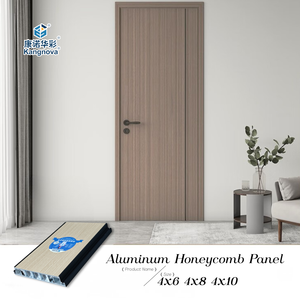
Kangnuo ACP Fire Retardant Eco-Friendly Bathroom Door (Modern Honeycomb)
Core: Aluminum Honeycomb / B1 FR Core
Skin: 0.4mm AA3003 Alloy Sheet
Feature: 100% Waterproof, Zero Formaldehyde
Factory-direct OEM/ODM ACP door leaves and thermal frame assemblies customized for moisture resistance, high impact, acoustic isolation, and architectural fire compliance.
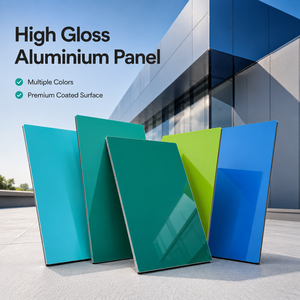
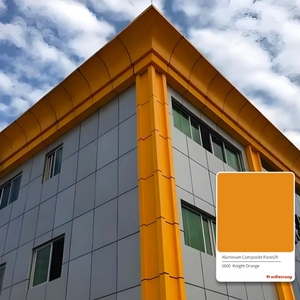
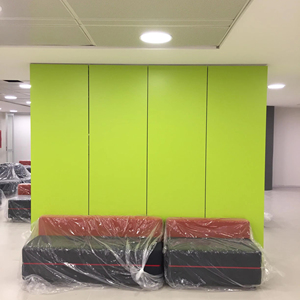
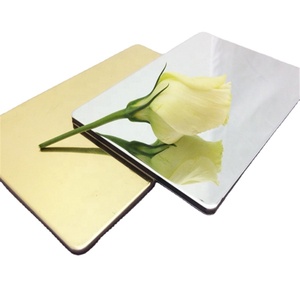
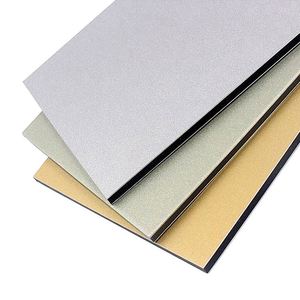
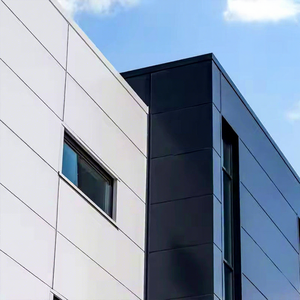
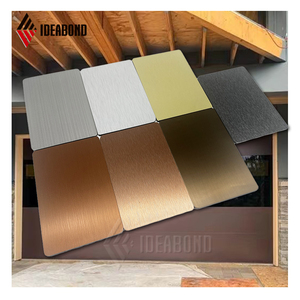
In modern architectural fenestration, Aluminium Composite Panel (ACP) Doors—frequently categorized as Aluminum Composite Material (ACM) doors—represent a major paradigm shift away from traditional hollow core timber and standard unreinforced metallic doors. Engineering an industrial-grade ACP door requires continuous multi-layer lamination of high-tensile aluminum alloy sheets (typically AA3003-H14 or AA5005-H14) bonded to a specialized thermo-insulated core under intense heat and pressure using co-polymer adhesive films.
The structural longevity and environmental resilience of ACP doors depend directly on three foundational engineering parameters: core mineral density, skin alloy temper, and coating polymer chemistry.
Architects and structural engineers specify ACP core formulations based on strictly enforced local building codes (such as NCC 2022 in Australia, NZBC in New Zealand, or IBC in North America):
To resist UV degradation, coastal salt spray corrosion, and chemical cleaning agents, top-tier Chinese ACP door manufacturers utilize advanced continuous coil coating lines:
Comparative analysis of ACP door leaf cores and structural profile systems evaluated against international testing standards.
| Evaluation Parameter | Standard PE Core ACP Door | B1 Fire-Retardant ACP Door | A2 Mineral Non-Combustible Door | Aluminum Honeycomb Core Door |
|---|---|---|---|---|
| Fire Reaction (EN 13501-1) | Class F / E (Combustible) | Class B-s1, d0 (Flame Retardant) | Class A2-s1, d0 (Non-Combustible) | Class A1 / A2 (Incombustible Metallic) |
| Panel Thickness Range | 3.0mm – 4.0mm | 4.0mm – 5.0mm | 4.0mm – 6.0mm | 10mm – 50mm Structural Leaf |
| Aluminum Skin Gauge | 0.15mm – 0.30mm | 0.30mm – 0.40mm | 0.40mm – 0.50mm AA3003 | 0.50mm – 0.80mm AA5005 |
| Peel Strength (ASTM D903) | > 7.0 N/mm | > 9.0 N/mm | > 11.0 N/mm | > 14.0 N/mm (Welded/Epoxy) |
| Thermal Transmittance (U-Value) | ~ 2.2 W/m²K | ~ 1.8 W/m²K | ~ 1.5 W/m²K | ~ 1.1 - 1.3 W/m²K (Poured PU Fill) |
| Sound Reduction (STC Rating) | 26 – 28 dB | 30 – 34 dB | 36 – 39 dB | 40 – 44 dB |
| 100% Water Immersion Resilience | Delamination risk at edge | High Moisture Resistance | Fully Hydrophobic Mineral Core | 100% Waterproof / Zero Swell |
Integrating modern 16+ year fenestration expertise, automated CNC fabrication, and rigorous global compliance testing.
Our manufacturing workflow is strictly audited under the AGWA program for Australian Standards AS2047:2014, AS1288:2021, and National Construction Code (NCC 2022) requirements, ensuring seamless building certifier sign-off.
Certified for New Zealand Building Code clauses (B1 Structure, E2 External Moisture, H1 Energy Efficiency) via NZS4211:2008, as well as North American Fenestration Standard (NAFS) uniform structural load tests.
Engineered for high-velocity hurricane zones (HVHZ). Doors are pre-configured to withstand cyclic wind pressure and large missile impact testing protocols required across Florida and Caribbean coastal markets.
Every order undergoes 5-axis CNC frame milling, corner crimping torque validation, pneumatic seal inspection, and pre-shipment dry-fit assembly to guarantee zero site-fitting errors.
Optimized lean manufacturing schedules deliver full container shipments within 35 to 50 days from shop drawing sign-off, dispatched directly through deep-water ports at Fuzhou or Xiamen.
Our in-house engineering team delivers full shop drawings, frame section details, and anchoring schematics, allowing developers and architects to fast-track municipal permit approvals.
As global architectural standards shift toward decarbonization, climate resilience, and smart building integration, leading Chinese ACP door exporters are pioneering four core technical innovations:
Traditional non-thermal metal door frames create thermal bridging that compromises building envelope insulation. Next-generation ACP doors combine high-density composite leaves with polyamide thermal barrier profiles (PA66GF25), reducing overall door assembly thermal transmittance (U-factors) below 1.2 W/m²K.
Advanced FEVE and PVDF coatings are now electrostatically modified with hydrophobic titanium dioxide (TiO2) nanoparticles. Rainwater forms a uniform water film on the door surface, washing away particulate pollution and environmental grime without chemical detergent maintenance.
To support global Net-Zero carbon targets, manufacturers are transitioning from virgin LDPE cores to 100% post-industrial recycled polyolefins and bio-resin mineral matrices, significantly lowering embodied carbon per square meter of panel leaf.
Architectural ACP doors are increasingly specified with factory-milled hidden wire raceways and reinforced pocket cutouts to accommodate flush-mounted biometric fingerprint scanners, smart solenoid drop bolts, and motorized automatic openers.
B2B procurement paradigms for overseas builders, developers, and door importers are shifting rapidly toward direct OEM manufacturing integration. Supply chain managers are bypassing multi-tier regional brokers in favor of direct factory partnerships that offer key procurement advantages:
Clear, definitive answers to common engineering, compliance, and logistics questions raised by commercial importers and builders.
We directly engineer and supply custom ACP door systems for building material wholesalers, regional hardware distributors, commercial general contractors, property developers, architectural studios, and specialized window/door installers. Each order is tailored to the specific wind-load, fire code, and aesthetic requirements of the destination country.
Standard manufacturing lead time is 35 to 50 calendar days following official shop drawing approval and deposit receipt. Ocean freight transit varies by destination port (e.g., 14–20 days to Australian ports; 22–35 days to West/East Coast USA).
Yes. We supply standard-size corner section samples or full product samples for quality evaluation, frame structural review, and finish verification. Sample products are supplied free of charge, with nominal express courier freight covered by the buyer.
Every project includes full technical CAD elevation drawings, structural section profiles, perimeter flashing connection details, and installation schematics provided by our senior fenestration engineers to ensure compliance prior to manufacturing.
Yes. Our factory quality systems are audited under the AGWA program for AS2047:2014, AS1288:2021, and NCC 2022. New Zealand export configurations satisfy NZS4211:2008 across Building Code clauses B1, B2, E2, F2, G4, G7, and H1.
All shipments are loaded directly into FCL (Full Container Load) or LCL (Less than Container Load) crates at our factory facility and exported via Fuzhou Port or Xiamen Port in Fujian Province, China.
We accept T/T (Telegraphic Transfer) wire payments and Alibaba Trade Assurance order processing. Standard trade terms include FOB (Fuzhou/Xiamen), CFR, CIF, and DDP upon request.
Finishes include solid RAL powder coats, metallic brushed finishes, high-gloss FEVE polymer coats, electro-anodized mirror films (gold, silver, bronze), and authentic architectural timber grain foils (matte or textured finish).
Door leaves and frames can be factory-machined for top-tier European hardware brands including German ROTO, Siegenia-Aubi, HOPPE, as well as premium domestic architectural hardware lines such as Kinlong.
All door assemblies carry a comprehensive 10-year manufacturer warranty covering panel delamination, frame structural integrity, surface coating color fastness, and hardware functionality under normal operating conditions.
Partner directly with China's leading certified ACP door manufacturing specialist. Send us your architectural schedules or project blueprints for an accurate engineering review and detailed factory quote.
Get Catalog