Featured Architectural Aluminium Arch Windows & Doors
High-performance thermal break profiles, acoustic insulation, and custom curved frame solutions tested for global building codes.
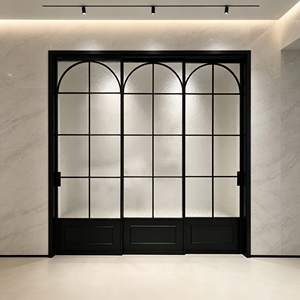
Deioux Custom Aluminum Casement Door Tempered Insulated Glass Soundproof Waterproof Hinged Door For Villa Hotel Commercial
Get a Quote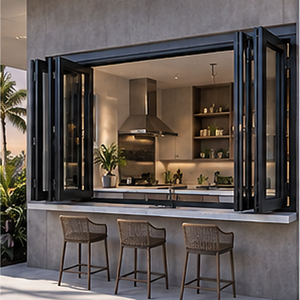
New Design Aluminum Glass Folding Windows Bi-fold Soundproof Sliding Terrace Balcony Door System
Get a Quote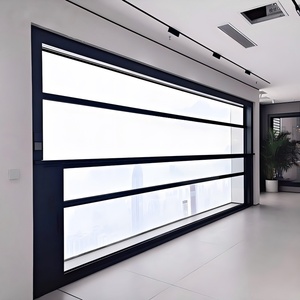
European Aluminum Alloy Basement Easy Clean Heat Insulation White 5 Year Plastic Double Hung Windows
Get a Quote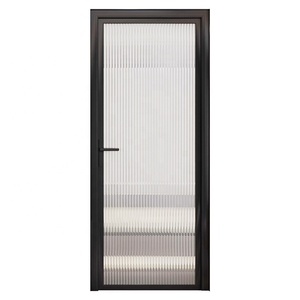
Sofeyia High Quality Modern Aluminum Alloy Swing Glass Doors Corrosion Resistant Customizable Size Finished Surface Environment
Get a Quote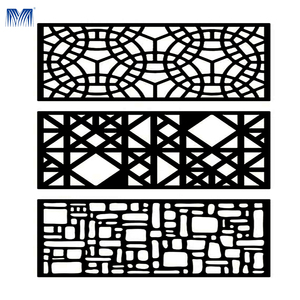
New Design Outdoor Metal Perforated Sliding Door 3D Laser Engraving Durable Waterproof Aluminum Sliding Door for Hotel
Get a Quote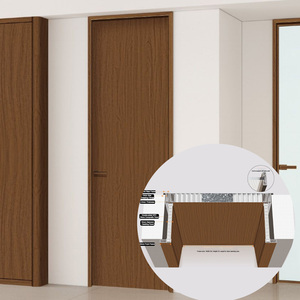
Minimalist Ultra Narrow Frame Full Aluminum Interior Door All Aluminum Honeycomb Core Wood Grain Pure Aluminum Bedroom Door
Get a Quote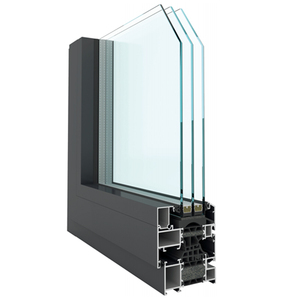
Modern Aluminium Window Design Energy Efficient Noise Reduction Casement Windows For Home Office
Get a Quote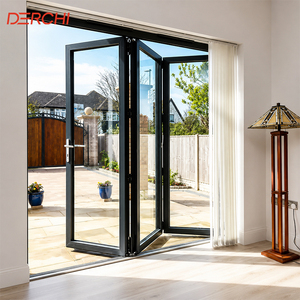
DERCHI Economical Frameless Sliding Folding Glass Curtain Balcony Partitions Doors - Stacking Panoramic Bifold Doors
Get a QuoteTechnical White Paper: Structural Engineering & Global Procurement of Custom Aluminium Arch Doors
Architectural arch doors—ranging from semi-circular French doors and Gothic pointed archways to minimalist eyebrow arch sliders—represent the pinnacle of fenestration craftsmanship. Integrating curved geometry with structural thermal break aluminum profiles requires specialized roll-bending machinery, tight extrusion tolerances, and advanced double-glazed unit (DGU) sealing techniques. As commercial developers, custom home builders, and architectural importers increasingly look to China for high-end bespoke joinery, identifying top-tier manufacturers capable of passing rigorous structural certification (AS2047, NAFS, Miami-Dade) is critical.
This white paper provides a comprehensive analysis of the technical specifications, structural bending engineering, thermal efficiency protocols, and international compliance criteria required when sourcing custom aluminum arch doors from China's leading export manufacturers.
Zero-Deformation CNC Profile Bending
Utilizing multi-axis servomotor stretch-bending technology to maintain hollow profile wall integrity without internal buckling or micro-fracturing along the curved radius.
Thermal Break Continuity
Precision insertion of curved Polyamide PA66GF25 thermal barrier strips, ensuring continuous U-factor ratings across both straight jambs and curved arches.
Custom Radius Glazing Units
State-of-the-art CNC waterjet glass cutting paired with automated curved argon-filled double/triple glazing for maximum acoustic performance (up to 45dB).
1. Structural Engineering & Curved Profile Bending Technology
Unlike standard rectangular door systems, manufacturing custom aluminum arch doors involves complex physical forces. Extruded aluminum alloys (typically 6063-T6 architectural grade) possess high tensile strength, but bending these multi-chambered profiles into precise radii without distorting the internal screw flutes, glass pockets, or thermal break channels requires specialized engineering.
Leading Chinese manufacturers deploy 3D CNC hydraulic roll-bending and stretch-bending machinery. By applying continuous tension while flexing the profile around engineered dies, the mechanical yield point of the alloy is controlled. This process avoids frame flattening (ovality) and ensures that the weather-stripping tracks retain exact tolerances (+/- 1.0mm), permitting air-tight sealing against wind-driven rain.
Furthermore, when crafting thermally broken arched doors, the thermal barrier—made of 25% glass-fiber reinforced polyamide (PA66GF25)—must be crimped into the inner and outer aluminum extrusions prior to or during specialized radius bending. Factory expertise dictates the precise sequence: improper bending destroys the shear strength of the thermal bond, compromising the door's overall structural integrity under ultimate wind load conditions.
| Performance Feature | Standard Commercial Arch Doors | SAGA High-Performance Arch Systems | Engineering Benefit |
|---|---|---|---|
| Alloy & Temper | Standard 6063-T5 Profile | Premium 6063-T6 / High-Toughness Billet | Higher tensile strength; prevents sag in large-span arches |
| Bending Tolerance | ± 3.0 mm variance | ± 0.8 mm CNC Controlled Radius | Seamless alignment between curved frame and glass panels |
| Thermal Insulation | Non-Thermal / Simple PVC Strip | PA66GF25 Structural Polyamide Bridge | Drastically lowers U-Value to meet Passive House / Title 24 |
| Surface Finish | Basic Powder Coating (5-Year) | AkzoNobel Fluorocarbon / PVDF (20-Year) | Superior resistance to UV fading, sea-salt spray, and chalking |
| Weather Gaskets | Standard PVC / Rubber Gaskets | Continuous Co-Extruded EPDM Gaskets | Eliminates water leakage at high dynamic wind pressure |
2. Future Procurement Trends for Aluminium Arch Doors (2025–2030)
The global demand for custom aluminum arch doors is experiencing significant structural growth across luxury residential developments, boutique commercial hotels, and urban historic restorations. Based on international buyer data and architectural inquiries, four key procurement trends are shaping the future of this sector:
1. Ultra-Narrow Sightlines (<20mm)
Architects are demanding minimal frame sightlines with concealed hinges and flush thresholds. SAGA’s ultra-slim arch profiles maximize natural daylight while maintaining heavy-duty load capacity for massive glass panels.
2. Smart Motorization & Hidden Locking
Integration of motorized arched pivot doors linked to biometrics, smart home automation, and multi-point solenoid locks capable of holding 1200Pa structural loads without visible hardware.
3. Circular Aluminium & Low Carbon
Procurement specifications increasingly mandate recycled billet content (>75% recycled aluminum) to lower embodied carbon, satisfying LEED, BREEAM, and green building certifications.
Furthermore, coastal hurricane resilience has shifted from an optional upgrade to a standard requirement. Importers in Florida, the Caribbean, Hawaii, and Northern Australia now routinely specify hurricane impact arched glass doors certified to Miami-Dade TAS 201/202/203 standards or Australian AS2047 cyclonic wind pressure standards. Chinese manufacturers with specialized laminated glass lines (featuring Kuraray SentryGlas® interlayers) are dominating this high-barrier segment.
3. Material & Technology Development Trends
Innovation in aluminum arch door manufacturing centers on three technological pillars:
A. Advanced Glass Engineering for Curved Radii: Historically, arched insulating glass units suffered from high seal-failure rates due to manual spacer bending. Modern factories utilize automated warm-edge flexible spacers (such as Technoform or Super Spacer®) combined with secondary structural silicone sealing applied via 6-axis robotic arms. This prevents argon gas leakage and eliminates condensation along the perimeter of the arch.
B. Multi-Axis CNC Corner Crimping: Joining the curved top arch section to the vertical straight door jambs demands flawless structural corner joints. High-end Chinese exporters utilize heavy-duty hydraulic corner-crimping machines injected with two-component polyurethane corner adhesive (e.g., Weiss Cosmopur). This creates a monolithic joint capable of supporting heavy double- and triple-glazed door sashes up to 400kg without sagging.
C. Architectural Surface Finishing: From authentic woodgrain thermal transfer foils that mimic natural oak and walnut to hyper-durable PVDF fluorocarbon coatings designed for extreme marine environments, surface treatment technology ensures arch systems withstand intense UV radiation, industrial smog, and saline mist for over 25 years without delamination.
4. Company Enterprise Advantages & E-E-A-T Credibility (SAGA Infrastructure)
As a leading direct-manufacturer and exporter with over 16 years of specialized fenestration production experience, SAGA Aluminum Doors & Windows Co., Ltd. stands as a benchmark of reliability, technical depth, and export compliance in China. Operating out of Minhou County, Fuzhou, Fujian, SAGA provides factory-direct custom aluminum, uPVC, and aluminum-timber joinery for builders, architects, contractors, and B2B wholesalers in over 25 countries.
AGWA Accredited Compliance
Audited annually under the AGWA program for Australian Standards AS2047:2014, AS1288:2021, and NCC 2022 building code mandates.
New Zealand Code Certified
Full compliance certification covering NZS4211:2008 and key NZ Building Code clauses including B1 (Structure), E2 (External Moisture), and H1 (Energy Efficiency).
North American NAFS & Miami-Dade
Rigorous third-party lab test reports for air infiltration, structural wind load deflection, forced entry, and hurricane impact missile testing (TAS 201/202/203).
SAGA operates a complete end-to-end manufacturing chain: from CAD shop drawing generation and section engineering to precision CNC bending, automated glass unit assembly, trial factory pre-assembly, and heavy-duty ocean shipping crate packing. By loading directly from Fuzhou or Xiamen ports, SAGA guarantees streamlined freight logistics, minimal transport damage, and strict adherence to project lead times (typically 35 to 50 days from drawing sign-off).
Frequently Asked Questions (Procurement & Technical FAQ)
Below are essential technical and commercial questions raised by international importers, developers, and architects when ordering custom aluminum arch doors from China: