High-Performance Aluminium & Mesh Door Systems
Engineered for extreme structural integrity, thermal efficiency, insect protection, and security compliance (AS2047, NZS4211, NAFS, Miami-Dade).
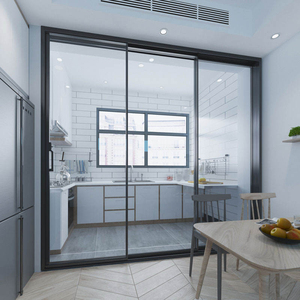
Aluminum Sliding Glass Door Energy Efficient Double Glass Partition Sliding Doors for Residential Interior Kitchen
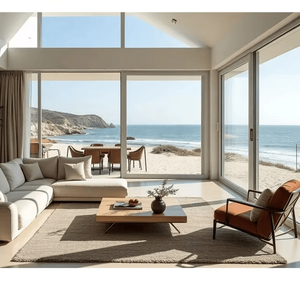
BOCHARM Modern Villa Soundproof Aluminum Thermal Break Insulated Double Tempered Glass Pocket Stack Doors Track Living Room
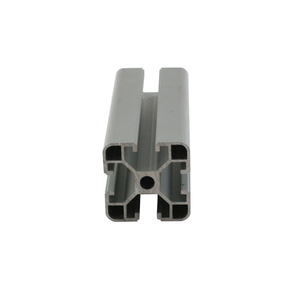
6000 Series T5 Zinc Coated Aluminum Profile Modern Kitchen Cabinet Glass Door for Wardrobe Home Decoration Hotel Anti-scratch
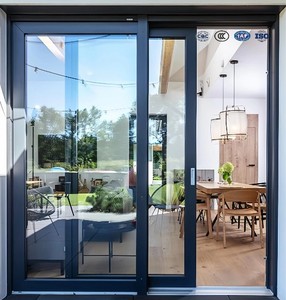
Modern Aluminum Alloy Sliding Windows And Doors With Tempered Glass Soundproof Exterior Use
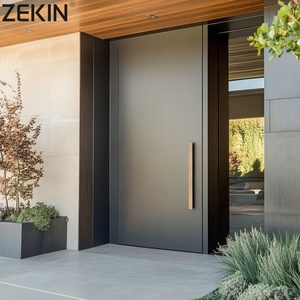
ZEKIN Outdoor Back Painted Glass Anti-theft Exterior Security Aluminum Cast Pivot Door Sound Insulation Front Entry Main Doors
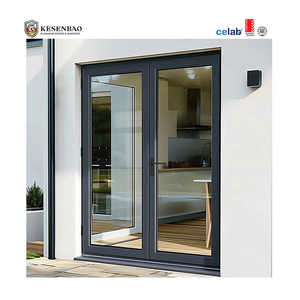
Soundproof Double Glass Aluminum Casement Door Aluminium Swing Door for Hospital House Use
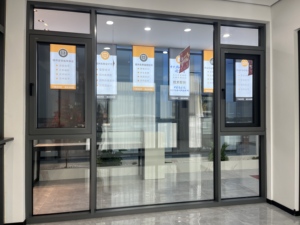
Anthracite Aluminum Double Inward Casement Window with Top Transom and Removable Insect Screen for Modern Homes
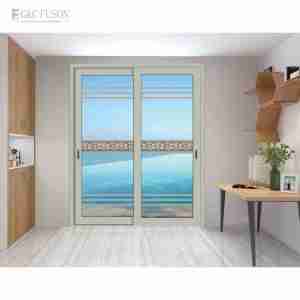
Aluminum Insect Screen Sliding Door For Balcony Sliding Doors Windows Soundproof Sliding Glass Door Track
Engineering Principles of Modern Aluminium Mesh Sliding Doors
A thorough technical guide on extrusion metallurgy, high-tensile security mesh integration, structural load-bearing capacity, and environmental sealing dynamics.
In contemporary architectural envelope engineering, aluminium mesh sliding door systems represent a crucial convergence of passive thermal management, residential security, insect vector defense, and high-transmission natural ventilation. As global building standards—such as Australia’s National Construction Code (NCC 2022 / AS2047), North America’s NAFS standard, and Europe’s EN 14351-1—demand increasingly stringent energy ratings and structural load capacities, the choice of manufacturer and exporter becomes a vital engineering decision for commercial B2B buyers, property developers, and fenestration distributors.
6063-T5 Metallurgical Precision
Our architectural profiles utilize primary-grade 6063-T5 aluminum alloy extrusions engineered with minimum wall thicknesses between 1.4mm and 2.2mm, delivering exceptional ultimate tensile strength (≥ 175 MPa) and yield strength (≥ 130 MPa) for large-span multi-track sliding panels.
316 Marine-Grade Mesh Security
Woven from 0.80mm high-tensile 316 marine stainless steel wire, our security screens undergo electro-static black powder coating to withstand aggressive coastal salt spray (ASTM B117 > 3,000 hours) while offering knife-shear resistance and BAL-40 bushfire protection.
PA66-GF25 Thermal Barriers
Integrated 24mm Polyamide (PA66 with 25% glass fiber reinforcement) thermal break strips physically isolate exterior and interior aluminum profiles, dramatically lowering system U-Values to below 1.6 W/m²K when combined with Low-E double glazing.
1. Profile Metallurgy and Surface Surface Finishing Technologies
The structural backbone of China’s premium sliding mesh door export market lies in advanced extrusion geometry. Extrusions sourced from elite Chinese manufacturers utilize 6063-T5 or 6005-T6 aluminum billets, subjected to precise air-quenching and artificial aging. The structural profiles feature multi-cavity chambers designed to resist deflection under high wind load pressures (Design Wind Pressure up to 4500 Pa under AS2047 ultimate limit state testing).
Surface treatment technology determines the long-term durability of sliding door systems deployed in diverse international climates—ranging from tropical high-humidity zones to freeze-thaw sub-arctic environments. Leading processing options include:
- Fluorocarbon (PVDF) Spray Coating: Formulated with 70% Kynar 500 / Hylar 5000 resin, providing superior resistance to ultraviolet radiation, acid rain, and chalking (conforming to AAMA 2605 specifications).
- Architectural Powder Coating: Utilizing AkzoNobel or PPG TGIC-free polyester powders certified under Qualicoat Class 2 standards, ensuring impact resistance and color retention exceeding 15–20 years.
- High-Depth Anodizing: Anodized film thickness between 15 to 25 microns (Class 1 finish) providing electro-chemical barrier protection ideal for coastal marine environments.
2. High-Tensile Security Mesh vs. Fine Insect Screening Systems
A primary driver for the procurement of Chinese mesh sliding doors is the multi-functional integration of insect filtration and forced-entry security screening. Procurement specifications typically bifurcate into two core mesh technologies:
316 Marine-Grade Stainless Steel Security Mesh: Engineered for security sliding doors (e.g., crime-safe applications), this mesh is woven from high-tensile AISI 316 wire with an ultimate tensile strength exceeding 900 MPa. Wire diameter is standardized at 0.80mm with an 11 x 11 mesh count per inch. The screen is mechanically locked into the aluminum frame using patented wedge clamping or deep-recessed pvc-pressure keyways, preventing impact blow-out under dynamic impact tests (e.g., Australian Standard AS5039 / AS5041 dynamic impact, knife shear, and gem-jimmey tests).
High-Definition Micro-Insect Mesh (Fiberglass & Stainless 304): For applications prioritizing optical transparency and micro-insect protection (such as midges, gnats, and mosquitoes), 18 x 16 or 20 x 20 mesh configurations are integrated onto dedicated sliding tracks. Soft-touch roller mechanisms and spring-loaded tensioning rollers prevent binding within extruded track channels.
Global Procurement & Future Technology Trends (2026–2030)
How evolving building energy codes, minimalist architectural aesthetics, and smart home automation are shaping the next decade of Chinese sliding door exports.
Trend 1: Multi-Track Minimalist Monorail and Concealed Mesh Integration
Architectural design has shifted decisively toward ultra-slim interlocking sightlines (interlock profile width ≤ 20mm) and flush-floor continuous transitions. Future sliding door procurement demands the seamless integration of insect or security mesh without compromising the minimalist aesthetic. Leading exporters are achieving this via triple-track (glass panel + glass panel + hidden mesh screen) and quadruple-track pocket configurations, where screen panels slide completely into structural wall cavities.
Trend 2: Smart Motorization, Automation, and Sensor-Driven Mesh Activation
The modern luxury villa and commercial hospitality sectors increasingly specify heavy-duty motorized sliding doors capable of moving panel weights up to 400 kg. High-torque brush-less DC motors, coupled with magnetic levitation drive systems, allow smooth, ultra-quiet movement (< 35 dB). Integrated smart home protocols (Zigbee, Matter, RS485) enable automated door opening synchronized with motorized security mesh deployment, rain-sensing retractors, and pinch-preventing infrared safety curtains.
Trend 3: Stringent Climate Resilience, BAL-FZ Bushfire & Hurricane Impact Compliance
Extreme weather events caused by global climate variability are driving municipal building codes to enforce tougher testing parameters. Exporters in China are rapidly upgrading door structural testing to comply with Florida’s Miami-Dade Hurricane Impact standards (TAS 201 Large Missile Impact, TAS 202 Static Air Pressure, TAS 203 Cyclic Wind Pressure) and Australia’s Bushfire Attack Level (BAL-40 and BAL-FZ). Stainless steel security mesh sliding doors serve as protective heat-shield barriers, reducing radiant heat transmission by up to 60% during bushfire events.
Comprehensive Mesh & Frame Engineering Matrix
Below is a comparative breakdown designed by fenestration engineers to assist B2B procurement managers, contractors, and architects in selecting the optimal configuration based on performance criteria:
| Performance Specification | 316 Security Stainless Mesh | 304 Stainless Insect Mesh | Fiberglass Micro Mesh | Pet-Resistant Coated Mesh |
|---|---|---|---|---|
| Wire Diameter / Spec | 0.80mm (High-Tensile) | 0.25mm – 0.35mm | 0.28mm (PVC Coated) | 0.60mm (Heavy-Duty Vinyl) |
| Primary Function | Anti-Theft, Dynamic Impact, BAL-40 | Insect Defense, High Airflow | Optical Clarity, Micro-Insects | Claw Damage Resistance, Pets |
| Knife Shear / Break Strength | Extreme (> 900 MPa Shear) | Moderate (Cut Resistant) | Low (Flexible) | High Tear Resistance |
| Optical Open Area (%) | 42% – 48% | 60% – 68% | 70% – 75% (Ultra-Clear) | 45% – 52% |
| Corrosion Resistance (Salt Spray) | > 3,000 Hours (Class 1 Marine) | 1,000 Hours (Standard) | Unaffected by Salt/Rust | Unaffected by Corrosion |
| Target Building Sector | Ground Villa, Coastal, Security | High-Rise Residential, Balconies | Suburban Houses, Bedrooms | Residential Homes with Pets |
Why Global Importers Partner with SAGA / ROPO
A 16-year legacy of engineering mastery, factory-direct pricing, robust certification credentials, and end-to-end supply chain integration.
When sourcing custom aluminium windows, doors, and security mesh systems from China, technical compliance and reliable quality control are non-negotiable. SAGA (ROPO) stands as a premier direct factory manufacturer operating out of Fuzhou and Xiamen ports in Fujian Province, China, backing every order with verified international certifications and transparent quality control workflows.
Audit-Verified Certifications
Our products undergo annual physical third-party factory audits under the Australian Glass and Window Association (AGWA) compliance scheme, conforming strictly to AS2047:2014, AS1288:2021, and NCC 2022. Furthermore, our systems hold official test certificates for New Zealand Building Code (NZS4211:2008), North American NAFS standards, and Miami-Dade County Hurricane Impact standards (TAS 201/202/203).
Global Hardware Partnerships
We maintain long-standing strategic component partnerships with premier hardware and profile giants including ROTO (Germany), Siegenia (Germany), Kinlong, Veka, and Rehau. Heavy-duty tandem stainless steel track rollers, multi-point locking gearboxes, and concealed flush-bolts ensure smooth panel travel for over 100,000 operational cycles.
Rigorous Pre-Shipment QC & Logistics
Every order is pre-assembled in factory mock-up frames prior to crating. Quadruple-layer protection—consisting of protective surface film, corner buffer guards, waterproof polyethylene shrink-wrap, and fully enclosed IPPC heat-treated wooden crates—guarantees zero ocean freight oxidation or frame distortion upon delivery at target ports worldwide.
Frequently Asked Questions by Importers & Builders
Addressing critical B2B technical questions regarding standards compliance, factory lead times, custom shop drawings, and shipping logistics.
Ready to Elevate Your Architectural Project or Wholesale Supply Chain?
Contact our senior engineering team today for technical consultation, detailed CAD section drawings, factory-direct volume pricing, and physical sample requests.