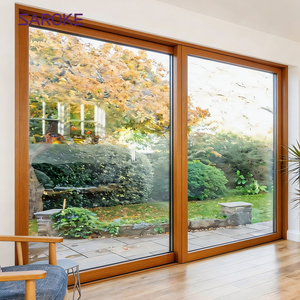
Engineered Product Solutions & Factory Portfolio
Explore our direct factory-manufactured aluminum alloy fenestration systems. Designed for heavy wind loads, strict thermal insulation, and multi-regional architectural compliance.
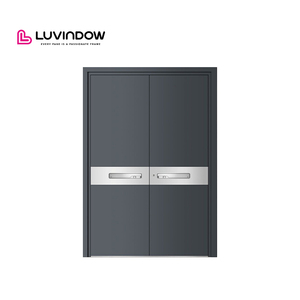
Premium Luxury Aluminum Alloy Villa Main Entrance Doors Fire Prevention Soundproof Modern Design Exterior
Get Catalog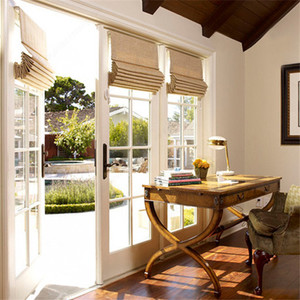
Manufacturer Wholesale of Popular High-quality Stable Sliding Folding Doors and Aluminium Glass Casement Doors
Get Catalog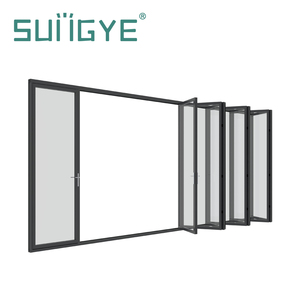
SUNGYE NFRC Security Folding Main Gate Design Effortless Sliding Full Side Folding Bi Fold Doors Exterior Terrace Partition Door
Get Catalog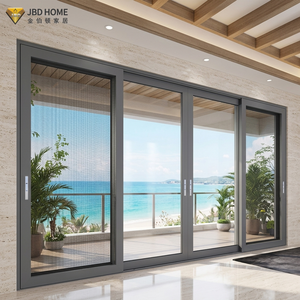
Double Glazed Low E Glass Soundproof Exterior Patio Aluminum Sliding Door Standard Doors Sliding Glass Doors For Interior House
Get Catalog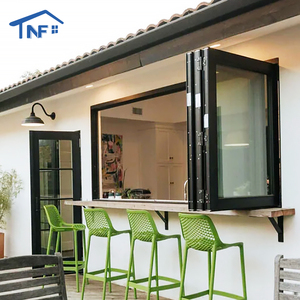
High Quality Aluminum Folding Windows Kitchen Double Glazed Modern Garden Kitchen Bifold Window
Get Catalog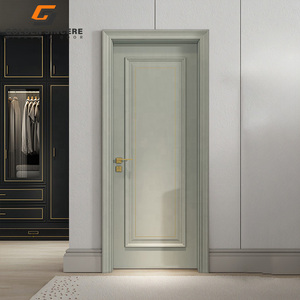
GS Fire-Rated Aluminum Interior Swing Door for Safe Indoor Spaces
Get Catalog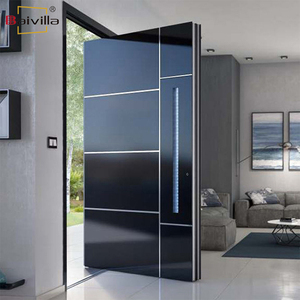
Luxury Smart Multi Lock Entrance Door Aluminum Single Front Entry Anti Theft Exterior Security Doors Pivot Front Door Villa Gate
Get Catalog16+
Years Manufacturing Excellence
25+
Global Export Markets
10-Yr
Full System Quality Warranty
35-50
Days Typical Production Lead Time
1. Executive Summary: The Structural Evolution of China's Fenestration Manufacturing Hubs
In the contemporary global building envelope sector, evaluating a China Best Aluminum Alloy Doors And Windows Manufacturer & Factories requires moving beyond superficial price-per-square-meter comparisons. Over the past decade, Chinese architectural window and door manufacturing has undergone a profound industrial transformation. Moving away from standardized low-cost extrusions, leading tier-1 manufacturers in Fujian and Guangdong have adopted heavy industrial CNC machining, automated glass processing, and rigorous international testing standards.
Modern aluminum alloy window frames are engineered structural assemblies. They integrate high-tensile 6063-T5 / 6063-T6 primary aluminum alloys, advanced polyamide thermal isolation strips (PA66GF25), multi-chamber cavity designs, and high-performance insulated glass units (IGUs). For commercial developers, residential volume builders, importers, and architectural specifiers in Australia, New Zealand, North America, and the Caribbean, direct factory procurement from accredited Chinese manufacturers delivers unprecedented design versatility, superior U-value thermal efficiency, and significant cost advantages without compromising structural integrity.
Key Information Gain for Global Specifiers
Procuring architectural joinery directly from certified Chinese manufacturers yields an average cost optimization of 30% to 45% compared to domestic Western fabricators, while securing identical raw material components (such as German-engineered ROTO Frank hardware, Technoform thermal breaks, and Kuraray SGP lamination).
2. Enterprise Advantages & Factory Core Competencies (SAGA Engineering)
As an industry-certified fenestration manufacturer with over 16 years of direct export experience, SAGA Aluminum Doors & Windows Co., Ltd. operates a vertically integrated manufacturing infrastructure designed specifically to meet international building code audits. Unlike trading intermediaries, our factory floor directly controls every stage—from profile precision cutting and corner crimping to glass lamination and final pre-shipment structural testing.
Rigorous International Certifications
Our products are independently audited and accredited under major global standards: Australian AGWA program (AS2047:2014, AS1288:2021, NCC 2022), New Zealand Building Code (NZS4211:2008), North American NAFS, and Miami-Dade Hurricane Impact (TAS 201/202/203).
Bespoke Shop Drawing & Engineering Support
Every order is backed by full technical documentation. Our structural engineering team provides AutoCad section drawings, elevation details, and wind-load calculations tailored to certifier and council approval workflows before production begins.
Tier-1 Global Supply Chain Partners
We partner exclusively with proven global profile and hardware manufacturers, including Veka, Rehau, Zhongcai, ROTO Frank, Siegenia Aubi, and Kinlong, guaranteeing smooth mechanical action and multi-point security locking systems.
Dual Seaport Freight Advantage
Located strategically in Minhou County, Fuzhou, Fujian, our factory operates direct container dispatch routes via Fuzhou Port and Xiamen Port, streamlining ocean freight lead times and minimizing transit handling risk.
3. Technical Engineering Standards: Global Market Compliance Matrix
One of the primary failure points for importers sourcing aluminum joinery from Asia is non-compliance with local structural and thermal mandates. The technical specification matrix below outlines how SAGA factory-engineered systems satisfy key global regulatory codes:
| Target Region | Primary Regulatory Standard | Mandatory Test Parameters Verified | SAGA Engineering Specification Solution |
|---|---|---|---|
| Australia | AS2047:2014 / AS1288:2021 / NCC 2022 (AGWA Audited) | Deflection (ULS/SLS), Water Penetration (Pa), Air Infiltration, Glass Human Impact Security | Thermally broken 6063-T5 aluminum, chain winder awning, heavy duty sub-frames, toughened Low-E double glazing |
| New Zealand | NZS4211:2008 (NZ Building Code B1, B2, E2, F2, G4, G7, H1) | Severe wind exposure, weathertightness (E2), solar heat gain coefficients, thermal envelope compliance | Multi-cavity polyamide thermal break joinery, high acoustic insulation, argon-filled warm-edge double glazing |
| USA & Canada | NAFS (AAMA/WDMA/CSA 101/I.S.2/A440) | Structural uniform load, water resistance pressure, forced-entry resistance, vertical sash deflection | Heavy-gauge extrusion framing, heavy-duty commercial sliding patio doors, NFRC thermal performance rating |
| Florida & Caribbean | Miami-Dade County TAS 201-94 / 202-94 / 203-94 | Large and small missile impact resistance, high static air pressure, cyclic wind pressure fatigue loading | Laminated security glass with Kuraray SGP interlayers, reinforced multi-lock hardware, impact storm shutters |
4. Future Procurement Trends in Aluminum Alloy Doors and Windows (2026–2030)
The international building envelope landscape is shifting rapidly due to stricter national energy efficiency targets, extreme climate patterns, and evolving architectural preferences. Sourcing managers, contractors, and architects must align their procurement strategies with four key emerging industry trends:
Trend 1: Decarbonization & Low-Carbon Aluminum
Global developers increasingly demand Environmental Product Declarations (EPDs). Leading Chinese factories are transitioning to primary aluminum smelted using renewable hydropower and incorporating up to 75% post-consumer recycled aluminum, significantly reducing embodied carbon per square meter.
Trend 2: Ultra-Low U-Value & Passive House Profiles
Standard non-thermal profiles are obsolete in modern residential projects. Sourcing trends prioritize deep multi-chambered polyamide break strips (PA66GF25), aerogel profile fillings, and triple-pane or vacuum glass units achieving system U-values below 0.8 W/m²K.
Trend 3: Extreme Weather & Impact Resilience
With the rise in coastal storms and extreme wind events, international procurement schedules increasingly mandate hurricane impact-tested sliding and folding doors. SGP (SentryGlas®) laminated interlayers retain structural integrity even under catastrophic impact.
Trend 4: Ultra-Narrow Sightlines & Motorized Automation
Architectural preference has moved toward minimalist, ultra-slim frame profiles with hidden sash frames and concealed hinges. Concurrently, integration with smart home automation—motorized lift-and-slide doors, remote sensor window winders, and biometric entry systems—has become standard.
5. Industry Development: Material Science and Manufacturing Innovations
The structural performance of modern aluminum doors and windows is heavily dependent on advancements in material chemistry and engineering. Understanding these breakthroughs allows trade buyers to make informed technical decisions when finalizing specifications.
High-Strength Extrusion Metallurgy
Leading Chinese manufacturers utilize precision-extruded 6063-T5 and T6 grade aluminum alloys. By controlling the magnesium-silicon matrix during heat treatment, frames achieve exceptional tensile strength (yielding up to 205 MPa) while preserving the malleability required for sleek architectural profiles.
Advanced Surface Finishing Technologies
Durability in harsh salt-spray environments depends on surface treatment. Modern factories utilize AkzoNobel or PPG fluorocarbon PVDF powder coatings, anodic oxidation, and woodgrain sublimation techniques capable of enduring 3,000+ hours of continuous salt fog testing without chalking or peeling.
Insulated Glass Unit (IGU) Innovation
Modern glazing units feature warm-edge composite spacers, dual-sealed butyl and structural silicone, argon gas filling (90%+ purity), and double or triple Low-Emissivity (Low-E) coatings to reflect far-infrared heat while preserving high visible light transmittance (VLT).
6. B2B Sourcing Protocol: SAGA 7-Step Quality Assurance Workflow
To eliminate procurement risk and guarantee seamlessly fitted joinery on site, SAGA operates a rigorous, transparent 7-step engineering and production process:
STEP 01
Architectural Consultation
Reviewing project elevations, window schedules, local wind load ratings, and thermal code requirements.
STEP 02
Sample Quality Evaluation
Dispatching free standard-size corner or frame samples for tactile finish, structural, and hardware verification.
STEP 03
Shop Drawing Sign-Off
Drafting detailed AutoCad installation section drawings for final review by project architects or certifiers.
STEP 04
Precision CNC Fabrication
Automated profile cutting, corner crimping, thermal break insertion, hardware milling, and IGU assembly.
STEP 05
Pre-Shipment QA Testing
100% inspection of dimensions, diagonal squareness, gasket seal tightness, and smooth hardware cycling.
STEP 06
Heavy Crate Packaging
Custom wooden crates with protective film, foam corner protectors, and steel straps for ocean container transport.
STEP 07
Global Logistics & Support
Ocean freight coordination via Fuzhou/Xiamen ports, backed by a 10-year warranty and remote technical guidance.
7. Procurement FAQ: Essential Answers for Importers, Builders, and Architects
Q: Which types of buyers does SAGA supply custom aluminum windows and doors to?
We supply trade buyers across four main categories: wholesalers & local window dealers, volume residential builders & commercial developers, building contractors, and architectural design firms. Each project receives tailored shop drawings, engineering data, and packaging configured for your specific distribution or jobsite requirements.
Q: What is the typical production lead time for customized aluminum doors and windows?
Standard production lead time is 35 to 50 days after shop drawings, finish samples, and deposit payment are officially confirmed. Ocean freight transit times vary depending on the destination port (typically 12–18 days to Australia/New Zealand, 20–30 days to North American west/east coast ports).
Q: How can global buyers evaluate product quality before placing a mass production order?
SAGA provides free standard-size window samples and profile section cutaways for quality evaluation. While the buyer covers express air freight costs, the sample cost is waived. Additionally, we provide third-party audit reports (such as AGWA AS2047 test certificates) for technical verification.
Q: Do SAGA windows comply with Australian (AS2047) and New Zealand (NZS4211) building codes?
Yes. Our structural compliance has been independently audited under the AGWA program for AS2047:2014, AS1288:2021, and NCC 2022. For New Zealand, our engineering certification covers NZS4211:2008 and key NZ Building Code clauses including B1 (Structure), B2 (Durability), E2 (External Moisture), F2 (Hazardous Building Materials), G4 (Ventilation), G7 (Natural Light), and H1 (Energy Efficiency).
Q: What technical support and engineering documentation are provided with custom orders?
We supply comprehensive AutoCad window elevation schedules, section drawings, anchor installation details, and structural wind-pressure engineering calculations. Our technical team works directly with your local building certifier or project architect to ensure fast compliance approval.
Q: What ports of loading are utilized, and what payment methods do you accept?
Orders are packed and dispatched directly from Fuzhou Port or Xiamen Port in Fujian Province, China. We accept T/T bank transfers and Alibaba Trade Assurance, offering secure transaction milestones for international buyers.
Q: What frame colors, anodizing options, and surface finishes are available?
We offer an extensive range of surface treatments, including classic architectural white, matte black, monument gray, custom RAL powder-coat colors, fluorocarbon PVDF marine coatings, anodized silver/bronze, and realistic sublimated woodgrain finishes suitable for coastal environments.
Q: What are the structural advantages of thermally broken aluminum profiles over non-thermal profiles?
Thermally broken profiles insert a low-conductive polyamide strip (PA66GF25) between the exterior and interior aluminum extrusion frames. This mechanical thermal break reduces frame heat conductivity by up to 60%, preventing condensation build-up and improving interior climate control.
Ready to Source High-Performance Aluminum Windows Direct from China?
Submit your architectural drawings, window schedules, or project specifications today. Our engineering team will review your brief and deliver a comprehensive technical proposal within 24 hours.
Get Catalog