Flagship Export Solutions: Modern Aluminum & Fenestration Systems
Factory-direct high-performance entrance systems, thermal break swing doors, off-axis pivot systems, and soundproof curtain wall configurations tested to global building codes.
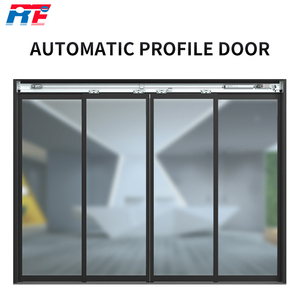
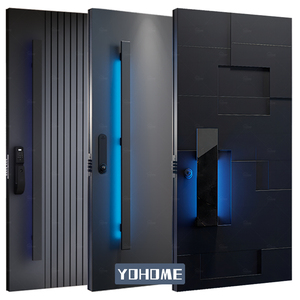
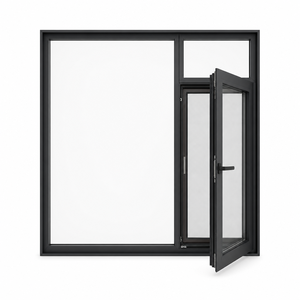
Engineering Superiority: Why China Leads Global Aluminum Main Door Manufacturing
In contemporary commercial and high-end residential architecture, the entrance door is no longer regarded merely as an physical barrier; it represents the structural core of building envelope performance, thermal regulation, and architectural aesthetics. As international building energy codes tighten—such as Australia's updated NCC 2022, North America's NAFS standard, and Europe's Passive House performance thresholds—the search for premier manufacturing partners has concentrated heavily on top-tier Chinese aluminum main door exporters.
China's fenestration manufacturing sector has evolved from labor-intensive assembly lines into fully integrated, high-precision metallurgical and engineering hubs. Exporters like SAGA Aluminum Doors & Windows leverage advanced 6063-T5 and 6063-T6 architectural grade aluminum extrusions, precision CNC milling centers, automated corner crimping technology, and high-performance polyamide thermal break barriers (PA66GF25) to deliver entrance systems that outperform legacy timber and steel alternatives across every metric.
Structural Mechanical Strength
Using primary aluminum billets free of scrap impurities, engineered frames resist wind load forces exceeding 4500 Pa, eliminating frame warping or binding over decades of heavy operational traffic.
Thermal Break Barrier Science
Integrating non-conductive glass-fiber reinforced polyamide strips eliminates thermal bridging across aluminum profiles, achieving U-factors under 1.4 W/m²K when combined with Low-E double or triple glazing.
Weather & Air Infiltration Sealing
EPDM continuous rubber seals and dual-drainage chamber engineering guarantee water tightness under extreme pressure tests (tested up to 450 Pa - 600 Pa per AS2047 and ASTM standards).
For international buyers—including commercial developers, facade contractors, project architects, and regional window distributors—evaluating a China aluminum main door exporter requires an acute understanding of structural engineering, surface protection techniques (such as AkzoNobel powder coating, Fluorocarbon PVDF, and anodizing up to 25 microns), and independent international certification compliance.
Future Procurement Trends in Global Main Door Systems (2026–2030)
An analysis of technical market shifts driving global architectural procurement, based on verified export data and engineering specifications.
As the international construction industry transitions toward net-zero operational carbon and climate-resilient building envelopes, global procurement requirements for aluminum main entrance systems are undergoing rapid structural shifts. Understanding these trends enables buyers to source systems that remain compliant with future building regulations.
| Procurement Trend | Engineering Mechanism | Architectural Benefit | Primary Target Markets |
|---|---|---|---|
| Smart Access & Biometric Integration | Concealed wiring channels, motorized multi-point locks, facial recognition, and RFID/Bluetooth modules integrated within aluminum sash stiles. | Keyless entry convenience combined with high-security multi-bolt resistance against mechanical forced entry. | North America, EU, Middle East, Australia |
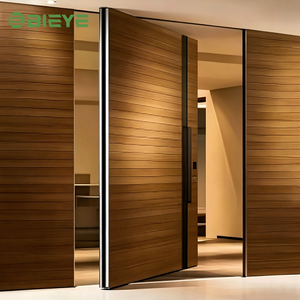
| Large-Scale Off-Axis Pivot Systems | Heavy-duty hydraulic floor pivots capable of carrying door panels exceeding 400kg, engineered with adjustable damping and stay-open functions. | Monumental entrance aesthetics spanning up to 2.5m wide by 4m high without structural sash sag over time. | Luxury Residential Villas, Boutique Hotel Lobbies |
| Extreme Weather & Impact Resilience | Heavy wall extrusions (2.0mm–3.0mm), laminated impact glass interlayers (PVB/SGP), and Miami-Dade hurricane fastener configurations. | Full structural integrity against missile impact, wind load cycles (TAS 201/202/203), and severe coastal storms. | Florida (USA), Caribbean Islands, Coastal Australia |
| Ultra-Low Carbon & Recycled Aluminum | Hydro-powered aluminum smelting producing billets with low embodied carbon emissions (< 4.0 kg CO2/kg Al). | Direct qualification for LEED Gold/Platinum, BREEAM, and Green Star environmental credits. | European Union, UK, New Zealand |
Key Product & Design Trends Shaping Architectural Doors
- Slim-Sightline Minimalist Profiles: Micro-frame designs with frame face widths below 45mm maximize clear daylight glass area while maintaining structural inertia through deeper frame profile depths.
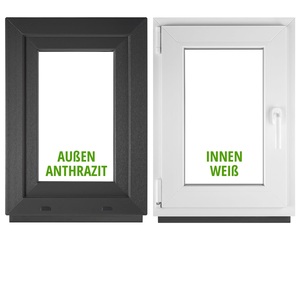
- Dual-Color Anodized & Powder Coated Surface Treatments: Advanced thermal break isolation allows different surface finishes for interior and exterior aluminum surfaces—e.g., Anthracite Gray matte powder coat outside matching exterior cladding, paired with warm anodized bronze or timber grain inside.
- Acoustic Core Infill Panels: Main doors feature insulated sandwich panels containing high-density polyurethane (PU) or rockwool insulation, dropping ambient acoustic transmission by up to 42 dB.
Manufacturing Ecosystem & Tested Credentials
Verified factory capabilities, rigorous quality assurance, and international standard certifications ensuring smooth customs clearance and building certifier sign-offs.
AGWA & AS2047 Accredited (Australia)
Full compliance under the Australian Glass and Window Association audit program covering AS2047:2014, AS1288:2021, and National Construction Code (NCC 2022) structural requirements.
NAFS & North American Tested
Audited test reports evaluating air leakage, water penetration resistance under high dynamic pressure, forced-entry resistance, and hardware load capacity for US and Canadian markets.
Miami-Dade Hurricane Impact Certified
Engineered systems rigorously tested to TAS 201-94 (large missile impact), TAS 202-94 (static air pressure), and TAS 203-94 (cyclic wind loading) for hurricane zones.


End-to-End Factory Quality Assurance & Export Logistics
SAGA operates a structured 7-step production management system to ensure every order is fabricated precisely according to approved shop drawings prior to sea container loading:
- CAD & Section Drawing Approval: Complete elevation and cross-section drawings submitted for client engineering sign-off.
- Standard Sample Verification: Production of sample corner joints or complete units for tactile quality inspection.
- Material Inspection & Profiling: Wall thickness verification, alloy composition check, and powder coat thickness testing.
- Precision Machining: German CNC cutting and multi-axis milling for lock gearboxes and hinge recesses.
- Trial Assembly & Dry Fitting: 100% pre-assembly in factory to check squareness, diagonal tolerance, and smooth operation.
- Protective Packaging: Fully wrapped film protection, edge corner guards, and heat-treated wooden crate packing.
- Direct Port Shipping: Seamless container shipping loaded directly from Fuzhou or Xiamen ports.
Architectural & Procurement FAQ
Technical answers to critical questions asked by international developers, architects, and fenestration importers.
Accelerate Your Project with China's Premier Aluminum Door Manufacturer
Whether you are sourcing custom front entrance pivot doors, commercial sliding entrances, or complete residential fenestration packages, our engineering team is ready to review your architectural drawings and supply a preliminary quote within 24 hours.