Featured Aluminum & Architectural Door & Window Systems
Explore high-performance architectural systems engineered to international compliance standards including AS2047, NAFS, NZS4211, and Miami-Dade hurricane impact protocols.
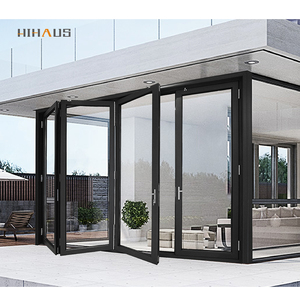
Hihaus New Chinese Aluminium Accordion Folding Patio Glass Sliding Back Doors
Send an Inquiry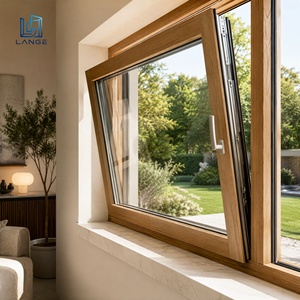
Modern German Style Alu-Wood Window Oak Wood Interior Aluminum Exterior Tilt and Turn Window for Luxury Villa
Send an Inquiry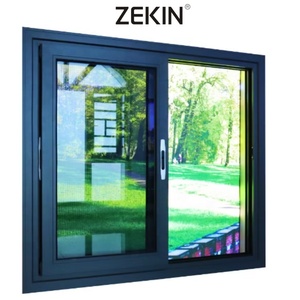
Customized Sliding Windows For Balcony Thermal Break Aluminum Tempered Glass Horizontal Hurricane Proof Aluminum Sliding Windows
Send an Inquiry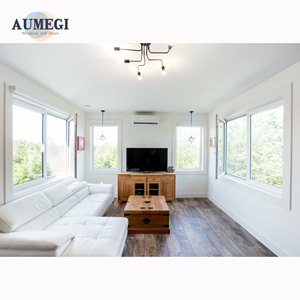
AUMEGI American NFRC Aluminium Black Casement windows With Burglary Tilt and Turn Window
Send an Inquiry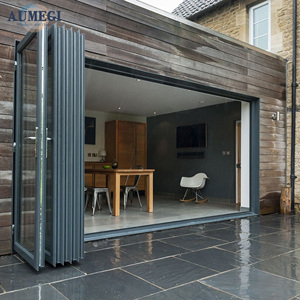
Aumegi Hot Sale American NFRC Aluminium Internal Bifold Doors Glass Bifold Fire Anti-theft Doors
Send an Inquiry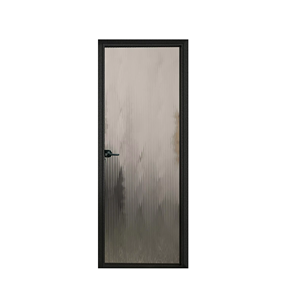
Aluminium Bathroom Doors Interior Cheap Bathroom Glass Door
Send an Inquiry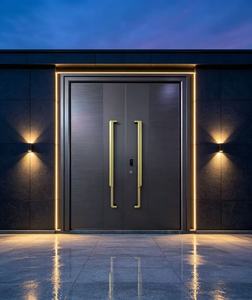
Modern Minimalist European Design PVC Cast Aluminium Double Front Entrance Security Door Dark Grey Linear Textured Villa Gold
Send an Inquiry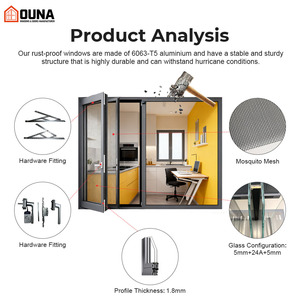
OUNA Hurricane Proof High Impact Black Aluminum Alloy Thin Profile Aluminium Windows And Doors Casement Window S For USA
Send an InquiryArchitectural Engineering White Paper: Sourcing Aluminum Sectional Doors from China
An in-depth technical examination of structural metallurgy, thermal performance, wind-load calculation, and OEM procurement parameters for international builders, developers, and commercial contractors.
The global demand for high-performance commercial and residential garage openings has established aluminum sectional doors as the benchmark for modern architectural fenestration. Combining superior strength-to-weight ratios, long-term corrosion resistance, and flexible design versatility—ranging from continuous polyurethane-insulated sandwich panels to full-view panoramic tempered glass assemblies—aluminum sectional door systems manufactured in China dominate modern commercial hubs, logistics centers, automotive dealerships, and luxury residential developments worldwide.
For global procurement managers, principal architects, and construction contractors, navigating the Chinese manufacturing landscape requires a nuanced technical understanding of extrusion metallurgy, surface finishing specifications, thermal break integration, and dynamic cycle testing. Top-tier Chinese original equipment manufacturers (OEMs) and original design manufacturers (ODMs) utilize high-precision 6063-T5/T6 structural aluminum profiles, automated continuous foaming lines, and robotic hardware assembly to deliver products that strictly adhere to stringent international standards such as AS2047:2014, NAFS (North American Fenestration Standard), NZS4211:2008, and Miami-Dade TAS 201/202/203 high-velocity hurricane zone (HVHZ) protocols.
1. Metallurgical Profiles & Structural Extrusion Standards
The primary foundation of premium aluminum sectional doors lies in the quality of the aluminum alloy profiles. Grade 6063-T5 and 6063-T6 aluminum alloys are universally specified for their exceptional mechanical strength, extrudability, and smooth surface finish suitable for decorative anodizing or electrostatic powder coating.
- 6063-T5 Temper: Thermally treated and artificially aged to achieve a tensile strength exceeding 185 MPa and yield strength of 145 MPa. Ideal for standard industrial and residential sectional door panel frames requiring excellent surface finish and elasticity under intermittent wind load.
- 6063-T6 Temper: Solution heat-treated and artificially aged to reach higher tensile strengths upwards of 240 MPa. Specified for heavy-duty commercial openings, wide-span sectional doors exceeding 6.5 meters in width, and storm-rated impact configurations.
- Wall Thickness Rigidity: Premium engineering guidelines mandate profile wall thicknesses ranging between 1.8mm and 3.0mm. Reinforced internal ribbing design prevents torsional twisting during high-speed vertical lifting and cyclic operation.
2. Surface Finishing Engineering: Weatherability & Marine-Grade Protection
Environmental exposure—including salt spray in coastal zones, extreme solar UV radiation, and atmospheric chemical pollutants—necessitates advanced surface treatment technology to prevent substrate oxidation and color fading over extended lifecycles.
- Fluorocarbon PVDF Coating: Formulated with 70% Kynar 500 / Hylar 5000 resin, PVDF coatings deliver maximum resistance to chalking, atmospheric corrosion, and chemical degradation. Rated for over 20+ years of maintenance-free exterior service, exceeding AAMA 2605 testing criteria.
- Electrostatic Powder Coating (Qualicoat Standard): Provides an extensive color palette (RAL color system) with coating thickness between 60μm to 80μm. Certified to Qualicoat Class 2 standards for high UV resistance and impact durability.
- Architectural Anodizing: Anodized layers ranging from 15μm to 25μm (Class I Anodized finish) form an integral aluminum oxide barrier that cannot peel or chip, making it the preferred choice for industrial facilities exposed to rigorous physical wear.
- Sub-Surface Timber Grain Transfer: Heat-transfer technology bonds organic wood-grain patterns into the powder-coated layer, offering the aesthetic warmth of natural oak, teak, or walnut without the maintenance vulnerabilities of real timber.
Aluminum Sectional Door System Architecture Matrix
Comparative analysis of panel structural types, thermal insulation cores, and architectural deployment parameters.
| Performance Parameter | Full-View Panoramic Glass Sectional | Polyurethane Core Thermal Sectional | Thermally Broken Composite Sectional |
|---|---|---|---|
| Primary Application | Car Showrooms, Fire Stations, Modern Villas | Logistics Warehouses, Cold Storage, Factories | Passive House Garages, High-End Residences |
| Frame Material | Heavy-Duty 6063-T5 Aluminum Extrusion | Aluminum / Galvanized Steel Shell + PU Core | Polyamide PA66 Thermal Break Aluminum Profile |
| Panel Thickness | 40mm – 50mm Profile Depth | 40mm, 50mm, 80mm Options | 50mm – 70mm Dual-Thermally Isolated Frame |
| Glazing / Infill | Double Glazed Toughened Low-E Glass (6+12A+6) | Solid High-Density Polyurethane Foam (48 kg/m³) | Triple Glazed Argon-Filled / Polyurethane Hybrid |
| Thermal Transmittance (U-Value) | 2.2 – 2.8 W/m²·K | 0.38 – 0.60 W/m²·K | 0.8 – 1.2 W/m²·K |
| Wind Load Resistance | Class 3 – Class 4 (Up to 140 km/h) | Class 4 – Class 5 (Up to 170 km/h) | HVHZ Hurricane Rated (Miami-Dade TAS 202) |
| Acoustic Rating (STC) | 28 dB – 34 dB | 24 dB – 29 dB | 35 dB – 42 dB |
| Spring & Hardware Life | 25,000 to 100,000 Torsion Cycles | 50,000 to 100,000 Heavy Cycles | 25,000+ Premium Stainless Hardware Cycles |
Future Sourcing & Technological Trends (2025–2030)
Key structural innovations, smart integration, and decarbonization trends transforming aluminum sectional door manufacturing in China.
1. Smart IoT Operator Integration
Next-generation aluminum sectional doors are rapidly adopting direct edge-computing control units, integrated safety light curtains, brushless DC servo motors, and real-time operational telemetry via Modbus, BACnet, or mobile IoT interfaces for smart facility management.
2. Ultra-Low Carbon & Recycled Alloys
Driven by European Green Deal mandates and global ESG requirements, top Chinese factories are transitioning to hydro-powered primary aluminum and high-ratio certified post-industrial recycled extrusions, reducing embedded carbon footprints by up to 60%.
3. Advanced Thermal Isolation & Vacuum Glass
To meet stringent European NZEB (Nearly Zero Energy Buildings) and North American IECC code requirements, manufacturers are replacing standard double glazing with structural Polyamide PA66 GF25 thermal breaks and slimline tempered vacuum insulated glass (VIG).
4. Modular Anti-Pinch & High-Cycle Hardware
Standardization of continuous finger-protection panel joints according to EN 12604 safety standards, paired with duplex spring systems rated for 100,000 life cycles, ensures continuous operational safety for heavy industrial distribution hubs.
5. Fully Digitalized BIM & CAD Workflows
Leading Chinese export factories now provide native Revit BIM objects, detailed DWG section profiles, and parameterized structural calculation reports directly to international architecture firms during preliminary project scheduling phases.
6. Customized Protective Crate Packaging
Eliminating ocean transport freight damage through heavy-duty fumigated wooden crates, vertical steel frame racks, and foam-padded perimeter edge protectors configured specifically for full container loads (FCL) and LCL direct-to-site deliveries.
The Technological Evolution of Chinese Aluminum Sectional Doors
From basic single-skin garage doors to engineered, multi-chamber thermal barriers capable of withstanding category 5 hurricane wind loads.
Over the past two decades, Chinese fenestration and industrial door manufacturers have undertaken massive capital investments in automated European roll-forming machinery, high-precision German CNC machining centers, and automated optical inspection systems. This technological leap has elevated Chinese-manufactured aluminum sectional doors from cost-effective basic doors into premium, code-compliant structural fenestration solutions utilized across tier-one international markets including Australia, New Zealand, North America, and the Middle East.
Phase 1: Single-Skin Aluminum & Basic Steel Roll-Forming (2000–2010)
Early production focused on basic hollow aluminum profiles and single-sheet steel panels. While lightweight, these systems offered minimal insulation (U-values > 5.0 W/m²·K), possessed basic manual hardware setups, and lacked certified wind-load resistance capabilities required by international building codes.
Phase 2: Polyurethane Injection & Panoramic Profile Standardization (2010–2018)
The introduction of high-pressure continuous polyurethane (PU) foaming machinery revolutionized panel thermal performance. Simultaneously, extrusion technological breakthroughs allowed for narrow-sightline anodized aluminum full-view panoramic frames fitted with tempered safety glass. Compliance with CE EN 13241-1 standards became baseline across major manufacturers in Fujian and Guangdong provinces.
Phase 3: Thermally Broken Systems, Structural Testing & Smart Automation (2018–Present)
Today's top-tier manufacturers produce engineered systems equipped with structural Polyamide PA66 thermal barriers, custom EPDM multi-lip perimeter weather seals, and storm-resistant reinforcement struts. Third-party laboratory testing against strict regulatory frameworks—such as Australian Standard AS2047, NAFS performance grades up to CW-PG70, and Miami-Dade TAS impact tests—has validated Chinese manufacturing on a global scale.
Enterprise Strengths & Manufacturing Engineering Capabilities
Partner with an established manufacturer backed by 16+ years of specialized export experience, robust testing laboratories, and end-to-end quality assurance systems.
16+ Years Experience
Specialized production of custom aluminum, uPVC, and thermally broken sectional systems exported to over 25 countries.
Certified Compliance
Audited quality systems fulfilling AGWA (AS2047 / AS1288), NZS4211, NAFS, and Miami-Dade TAS hurricane standards.
Automated Precision
Advanced CNC profile processing centers, double-head precision cutting saws, and automated polyurethane foaming lines.
Rigorous QC Auditing
100% pre-shipment assembly testing, air infiltration testing, water tightness verification, and paint thickness checks.
Frequently Asked Questions for B2B Importers & Contractors
Detailed answers addressing critical logistical, engineering, and commercial parameters involved in purchasing aluminum sectional doors from China.
Aluminum sectional doors offer superior corrosion resistance, particularly in coastal, marine, and high-humidity environments where steel can suffer from edge rust over time. Additionally, aluminum profiles allow for custom structural extrusions with integrated glass glazing pockets, narrow architectural sightlines, and significant weight savings, reducing wear on spring and motor operating systems.
Reputable factories undergo annual third-party facility audits and submit their window and sectional door samples to accredited independent laboratories (such as Intertek, Azuma Testing, or NAMI). Certified products receive official compliance test reports validating deflection under structural wind load, air infiltration resistance, water penetration tightness, and forced-entry safety ratings.
Standard manufacturing lead times range from 35 to 50 calendar days following the final approval of detailed shop drawings, profile extrusion schedules, and deposit receipt. Lead times may vary based on special surface powder-coating color matches or custom glass thermal treatment specifications.
Yes. By employing thermally broken aluminum profiles equipped with Polyamide PA66 insulation strips and pairing them with high-performance double or triple insulated glass units (fitted with Low-E coatings, warm-edge spacers, and argon gas infill), total system U-values can be engineered down to 1.2 - 1.6 W/m²·K, fulfilling commercial green building standards.
Every custom order includes comprehensive 2D Auto-CAD shop drawings, 3D section details, perimeter installation flashing instructions, structural anchor point calculations, and motor drive wiring schematics. Production only commences after formal sign-off by the buyer’s engineering team or project architect.
Door sections are individual PE-film wrapped, corner-protected with heavy-duty foam, and stacked inside custom-built, fully enclosed fumigated wooden crates or steel-frame A-frames. This guarantees zero panel-to-panel contact, preventing surface scratches, glass breakage, or track deformation during long-distance ocean transit.
For high-wind areas, manufacturers integrate internal structural steel reinforcing struts across the width of each aluminum panel, utilize heavy-gauge dual side tracks, and specify commercial-grade 11-gauge steel rollers with heavy-duty top and bottom bracket assemblies capable of withstanding static design pressures over ±4.5 kPa.
Standard commercial terms include Telegraphic Transfer (T/T: 30% deposit upon drawing sign-off, 70% balance payment prior to container loading) as well as Alibaba Trade Assurance, offering complete payment security, shipment tracking, and quality dispute protection.