Factory Direct Aluminum Sunroom Windows & Architectural Joinery
Explore our premium architectural series tested to AS2047, NZS4211, NAFS, and Miami-Dade hurricane standards for commercial & residential projects worldwide.
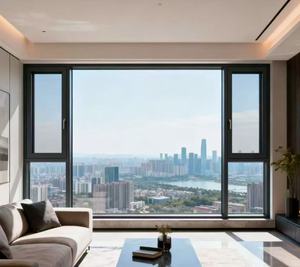
High-quality Modern Custom Residential Aluminum Swing Window Tempered Glass Fireproof Energy Star Qualified for Apartment Porch
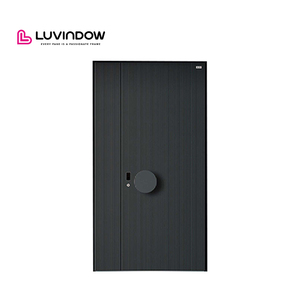
Luvindow Aluminum Doors for House Security Front Entrance Door With Smart Lock
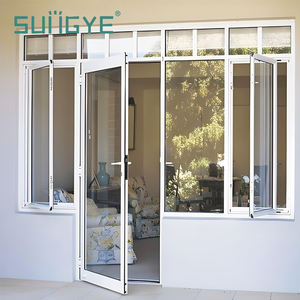
SUNGYE French Style Casement Swing Door Double Tempered Glass Exterior Aluminium Hinged Swing Door with Decorative Grid
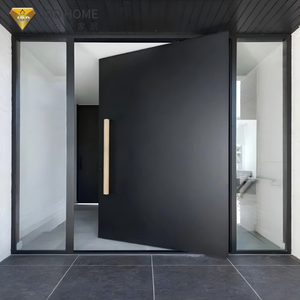
Aluminum Alloy Pivot Door with Concealed Hinge Mechanism - Anti-Impact External Pivot Entrance Door for Home and Hotel
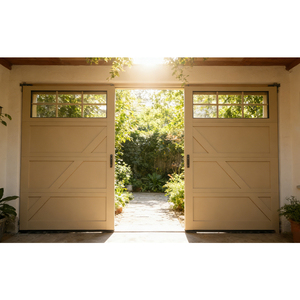
Design Insulated Aluminum Panels 16ft Barn Style Door Modern Styles Custom Overlay Garage Door for Outdoor Warehouse Villa Use
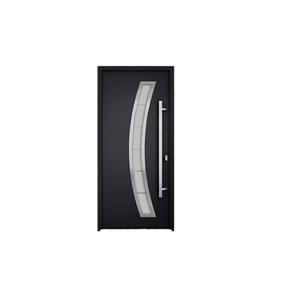
Xindi Custom Design Luxury Aluminum Waterproof Interior Door Minimalist Fire Doors Commercial Use 3-Year Warranty
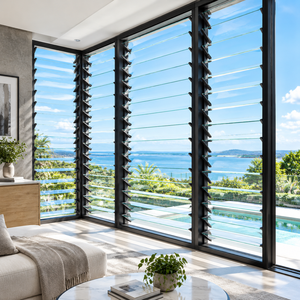
Hihaus Aluminum Window Shutter Tempered Glass Louver Window for House and Apartment
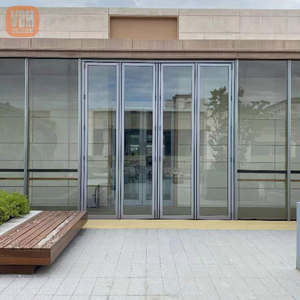
Insulation Design Aluminium Folding Door Glass Front for Northern Europe Villa Frontage Restaurant Hotel Plaza Entrance
Evaluating Top Aluminum Sunroom Window Manufacturers in China
A comprehensive technical report for architects, structural engineers, commercial developers, and high-volume fenestration distributors seeking structural integrity, thermal performance, and certified compliance.
The global demand for high-performance aluminum sunroom windows and structural enclosures has undergone a fundamental technological evolution. Modern architectural sunrooms, solariums, and conservatory extensions are no longer treated as simple secondary spatial additions. Instead, they represent sophisticated, thermally isolated building envelopes that must withstand harsh environmental dynamics—ranging from hurricane-force wind load pressures in coastal regions to heavy snow accumulation loads in alpine climates.
Selecting the ideal China aluminum sunroom windows factory requires a rigorous evaluation that extends beyond basic unit pricing. Procurement directors and project engineers must inspect structural alloy grades (such as 6063-T5 vs 6063-T6), polyamide thermal break bar integration (PA66 GF25), seal integrity via EPDM gaskets, and complete window assembly compliance audited under international verification programs such as Australian AGWA (AS2047/AS1288), North American NAFS, and Florida Miami-Dade High-Velocity Hurricane Zone (HVHZ) standards.
Enterprise Strengths & Global Compliance Assurance
SAGA Aluminum Doors & Windows Co., Ltd. delivers direct factory engineering, audited quality assurance, and end-to-end supply chain integration.
Audited Standards Compliance
Our structural aluminum and uPVC window systems undergo rigorous independent third-party audits. Certified for AS2047:2014, AS1288:2021 (AGWA accredited for Australia), NZS4211:2008 (New Zealand Building Code), NAFS (North America), and Miami-Dade TAS 201/202/203 impact resistance.
Advanced CNC Precision Manufacturing
Operating from our primary production hub in Tieling Technical Zone, Fuzhou, Fujian, our state-of-the-art facility features automated CNC aluminum profile cutting, corner crimping, double-glass IGUs assembly, and multi-point hardware integration for exact architectural tolerances.
10-Year Factory Warranty & Logistics
We provide absolute quality assurance backed by a 10-year comprehensive warranty. Orders are packed in customized export steel-steel protected wooden crates and shipped direct via Fuzhou or Xiamen ports within a predictable 35 to 50-day production timeline.
Fenestration & Structural Thermal Breakdown Matrix
| Profile System Category | Structural Material Alloy | Thermal Break Technology | Target U-Value (W/m²·K) | Water Penetration Resistance | Recommended Application |
|---|---|---|---|---|---|
| Heavy-Duty Sunroom Frame | Architectural 6063-T6 Aluminum | PA66 GF25 Polyamide Strips (34mm) | 1.2 – 1.6 W/m²·K | 700 Pa - 1000 Pa | Commercial Roof Extensions & Alpine Solariums |
| Thermally Broken Casement / Swing | 6063-T5 High-Tensile Aluminum | Multi-Chamber Thermal Insulation Bar | 1.4 – 1.8 W/m²·K | 600 Pa - 850 Pa | Residential Porch Enclosures & Apartments |
| Ultra-Slim Minimalist Sliding | Extruded Aluminum Alloys | Sub-frame Insulating Foam Infill | 1.6 – 2.0 W/m²·K | 450 Pa - 600 Pa | Modern Villa Sunroom Facades & Patios |
| Hurricane Impact Structural Series | Heavy Wall 3.0mm Aluminum | Reinforced Composite Thermal Barrier | 1.5 – 1.9 W/m²·K | 1200 Pa (HVHZ Miami-Dade) | Coastal Zones, Florida & Caribbean Projects |
Future Procurement Trends in Architectural Sunroom Windows (2025–2030)
How Smart Glass Technology, Ultra-Low U-Values, and Sustainable Extrusion Practices are Reshaping B2B Sourcing Decisions.
1. Electrochromic Smart Glass & BIPV Integration
Future sunrooms are transitioning from static glazing to dynamic energy generation and control. Smart electrochromic glass allows users to switch light transmittance automatically, while Building-Integrated Photovoltaic (BIPV) solar roof panels turn sunroom roofs into clean power generators for modern net-zero energy buildings (NZEBs).
2. Narrow Sightline & High-Load Structural Frames
Architects demand maximum transparency with minimal frame profile obstruction. The trend leans heavily toward high-tensile 6063-T6 engineered aluminum profiles capable of holding massive 3-layer laminated double IGUs with frame sightlines under 35mm, maintaining extreme resistance against wind deflections.
3. Decarbonized Low-Carbon Aluminum Sourcing
Global carbon border adjustment mechanisms (such as the EU CBAM) are compelling commercial buyers to audit the supply chain carbon footprint. Leading Chinese factories utilize hydro-powered aluminum smelting and recycled aluminum extrusion billets to reduce embedded carbon by up to 65%.
Standard Procurement Operating Procedure (SOP) for Importers
From architectural CAD shop drawing approval to final site arrival—how we eliminate technical misalignment.
Architectural Plan Analysis & Engineering Shop Drawings
Importers submit project elevation CAD files or window schedules. SAGA engineers calculate wind pressure ratings, static loading requirements, frame drainage pathways, and return detailed 2D/3D shop drawings for sign-off.
Profile Extrusion, Powder Coating & Thermal Break Insertion
Architectural 6063 aluminum billets are extruded and treated with Qualicoat-certified fluorocarbon (PVDF) or powder-coating finishes. Polyamide PA66 GF25 thermal strips are mechanically crimped to ensure thermal separation.
Precision Assembly, Hardware Fitting & Glass Insertion
Automated double-head saws execute precision miter cuts. Corner joints receive heavy corner cleats and injection sealant. German ROTO or SIEGENIA hardware systems are integrated alongside Low-E argon-filled tempered IGUs.
100% Factory QC Inspection & Steel Crate Packaging
Every finished window undergoes air tightness, water tightness, dimensional accuracy, and hardware cycle testing. Products are wrapped in protective film, corner-shielded, and secured inside custom steel-framed wooden crates.
Frequently Asked Questions for B2B Window Procurement
Expert answers regarding custom engineering, thermal break selections, international standards compliance, and ocean logistics.
Ready to Engineer Your Custom Sunroom & Fenestration Project?
Partner direct with China's leading certified aluminum sunroom windows manufacturer. Get instant technical support, complete product catalogs, and precise engineering estimates.