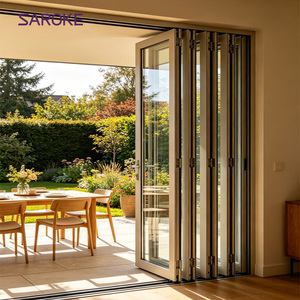
Catalog Showcase
High-Performance Custom Aluminum Joinery Solutions
Explore our certified aluminum window and door systems designed for high wind load resistance, thermal isolation, and optimal architectural aeration.
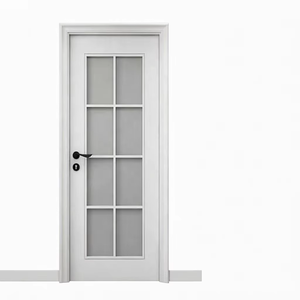
Modern White Aluminum Glass Door Waterproof Interior Door for Bathroom and Kitchen
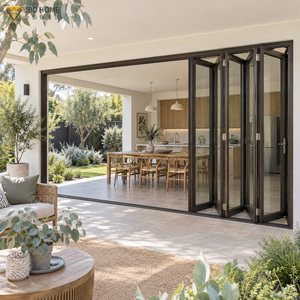
Custom Puertas Plegables Folding Aluminum Doors Waterproof Windproof Double Glazed
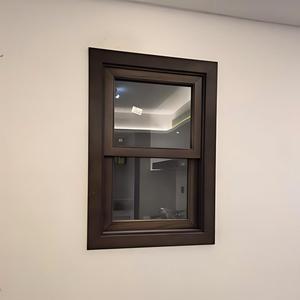
Hot Sale Single Hung Window Modern Design Black Aluminum Double Glazed Vertical Windows
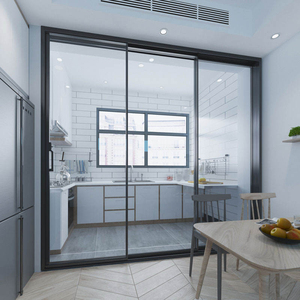
Aluminum Sliding Glass Door Energy Efficient Double Glass Partition Sliding Doors
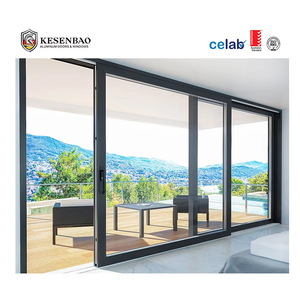
AS2047 Australia Balcony Aluminum Sliding Glass Door Large Stacker Doors
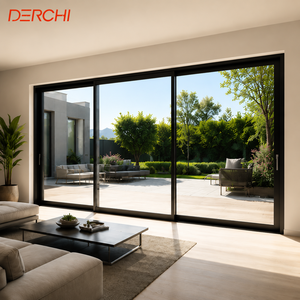
Commercial Heavy Duty Thermal Break Automatic Sliding Door Aluminum Glass Door
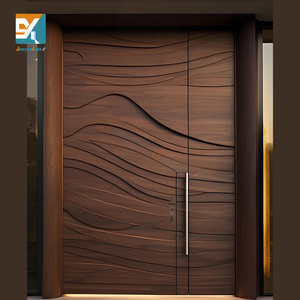
Modern Home Security Pivot Door Steel Aluminum Front Double Doors Luxury Entrance Door
Industry Whitepaper
Engineering Excellence in Architectural Aluminum Ventilation Systems
A definitive guide for B2B importers, general contractors, developers, and facade engineers evaluating tier-1 Chinese aluminum window manufacturers.
In modern architectural engineering, the structural joinery envelope plays a dual role: serving as the primary barrier against severe weather events and acting as the mechanical lung of the building. As global energy building codes mandate stricter envelope tightness—such as the National Construction Code (NCC 2022) in Australia, NZBC Clause H1 in New Zealand, and ASHRAE 90.1 standards in North America—the demand for precision-engineered aluminum ventilation windows has experienced unprecedented growth.
Choosing an established exporter and manufacturer from China is no longer merely a cost-mitigation strategy; it is a strategic partnership for technological innovation, custom die extrusion, and certified structural reliability. SAGA Aluminum Doors & Windows Co., Ltd. leads this sector by operating state-of-the-art CNC machining lines, automated thermal break insertion processes, and rigorous in-house atmospheric test chambers.
System Taxonomy
Architectural Ventilation Profiles & Kinematic Mechanisms
Understanding the mechanical operation and aerodynamic airflow profiles of specialized aluminum window typologies.
Parallel Opening Windows (POV)
Parallel opening windows push the sash outward along all four edges simultaneously. This creates a perimeter gap (typically 50mm to 100mm) that yields up to 200% more natural air exchange than traditional casement openings via stack-effect circulation while retaining high safety and weather resistance.
Aerodynamic Glass & Alloy Louvers
Architectural Jalousie and Louver systems allow continuous trickle ventilation even during heavy tropical precipitation. Incorporating extruded 6063-T5 aluminum blades or double-glazed louvers, these windows provide adjustable airflow management with integrated stainless steel insect screening.
Tilt & Turn Micro-Ventilation
Engineered with multi-point European locking hardware (such as Siegenia or ROTO), Tilt & Turn systems offer a dual function: inward tilting at the top for secure draft-free night ventilation, and full inward swinging for easy glass cleaning and maximum emergency egress ventilation.
Australian Chain Winder Awnings
Specifically designed for coastal climates, awning windows hinged at the top push outward at the bottom. Fitted with stainless steel chain winders, they can remain open during rainstorms to maintain passive indoor air replacement without risking water penetration.
Gas-Strut Servery Windows
Utilizing heavy-duty pneumatic gas struts, these windows pivot upward to 90 degrees, opening entire wall sections between kitchens and outdoor entertaining areas. They feature double rubber weather-stripping to maintain airtight seals when closed.
Integrated Trickle-Vent Profile Systems
For high-rise residential facades where sash opening is restricted due to child safety compliance (e.g., AS5213 limits to 125mm), integrated frame trickle vents regulate air throughput while the glass panels remain fixed and secure.
Engineering Matrix
Technical Specification & Performance Benchmarks
Direct comparison of key structural, acoustic, and thermal metrics across core aluminum ventilation window categories.
| Window System Type | Thermal U-Value Range | Acoustic Rating (STC / Rw) | Design Wind Pressure | Water Penetration Resistance | Primary Commercial Application |
|---|---|---|---|---|---|
| Thermally Broken Parallel Window | 1.3 – 1.8 W/m²K | STC 38 – 44 dB | Up to 4500 Pa | 700 Pa | Commercial Towers, High-Rise Residential |
| Tilt & Turn System (Double Glazed) | 1.1 – 1.6 W/m²K | STC 40 – 46 dB | Up to 3600 Pa | 600 Pa | Luxury Villas, Passive Houses, Cold Climates |
| High-Wind Louver / Jalousie | 2.8 – 3.5 W/m²K | STC 25 – 30 dB | Up to 2500 Pa | 450 Pa | Tropical Resorts, Coastal Villas, Industrial Vents |
| AS2047 Awning (Chain Winder) | 1.4 – 2.0 W/m²K | STC 35 – 42 dB | Up to 4000 Pa (N6/C4) | 600 Pa – 1000 Pa | Australian / NZ Residential Developments |
| Miami-Dade Impact Casement | 1.5 – 2.2 W/m²K | STC 38 – 45 dB | Up to 6000 Pa (+/- 125 PSF) | 900 Pa | Hurricane Zones, Coastal Caribbean & Florida |
Market Intelligence
Future Procurement Trends in Global Aluminum Joinery (2025–2030)
Key technological innovations and regulatory shifts impacting facade engineering and international window sourcing.
1. Polyamide PA66-GF25 Thermal Barrier Evolution
Standard non-thermal aluminum frames are rapidly being phased out globally. SAGA incorporates high-spec PA66-GF25 structural polyamide strips (25% glass fiber reinforced) between inner and outer extruded aluminum profiles. This breaks the thermal bridge, prevents interior condensation, and lowers overall building HVAC loads by up to 40%.
2. Sensor-Driven Smart Actuation & Automated Micro-Climates
Modern commercial project specifications increasingly request motorized ventilation windows integrated with building management systems (BMS). Using linear electric actuators tied to CO2, humidity, and rain sensors, windows automatically adjust opening angles to maintain healthy indoor air quality (IAQ) without manual intervention.
3. Decarbonization & Low-Carbon Recycled Alloys
Leading architects in Australia, North America, and Western Europe now evaluate suppliers based on Embodied Carbon metrics. Tier-1 Chinese manufacturers are migrating to primary billet casting using renewable hydro-power and incorporating up to 75% recycled aluminum (Post-Consumer Scrap), lowering Environmental Product Declaration (EPD) carbon footprints dramatically.
4. Coastal Resilience & Multi-Certified Impact Solutions
Climate change has escalated wind load and storm intensity requirements. The industry trend is moving toward dual-certified window joinery that simultaneously passes Miami-Dade County TAS 201/202/203 large missile impact testing and meets stringent Australian AS2047 structural deflection standards.
Why Partner With SAGA
World-Class Quality Assurance & Export Infrastructure
Over 16 years of specialized manufacturing experience delivering compliant joinery across 25+ countries.
AGWA & AS2047 Audited Compliance
SAGA undergoes rigorous annual audits under the Australian Glass and Window Association (AGWA) program. Our windows meet AS2047:2014, AS1288:2021, and National Construction Code 2022 standards, simplifying council approval for Australian importers.
Strict 35–50 Day Production Lead Times
From initial shop drawing confirmation to final container packing, our lean manufacturing pipeline ensures consistent lead times. Standard production completes within 35 to 50 days, backed by real-time status updates from our project managers.
Premium Hardware Partner Network
We work exclusively with recognized global hardware leaders—including German brands ROTO and Siegenia, as well as Kinlong—ensuring smooth mechanism operation, multi-point lock security, and long-term cycle durability.
Comprehensive CAD/BIM Shop Drawings
Every order includes detailed section drawings, flashing details, elevation views, and installation schematics prepared by our dedicated engineering team before production commences, eliminating on-site fitting issues.
Strategic Deep-Water Port Logistics
Located in Fujian Province, SAGA ships directly from Fuzhou and Xiamen ports. Our heavy-duty wooden crates feature IPPC-certified ISPM-15 heat treatment and protective foam wrapping for safe ocean transport.
B2B OEM & Project Support
Whether you are a wholesaler stocking standard extrusions, a commercial builder executing a multi-family project, or an architect creating a bespoke villa, we tailor our service model to your workflow.
Buyer Knowledge Base
Frequently Asked Questions for B2B Window Procurement
Clear, direct technical answers addressing common importing, structural certification, and custom manufacturing inquiries.
Which international buyer types does SAGA supply custom aluminum windows to?
SAGA directly exports to window wholesalers, architectural dealers, general building contractors, property developers, facade engineers, and luxury residential project owners. Each client tier receives customized technical proposals, shop drawings, and tailored freight solutions aligned with local building code requirements.
What is the typical factory production lead time for custom aluminum ventilation windows?
Our standard manufacturing lead time is 35 to 50 days following final sign-off of shop drawings and receipt of deposit payment. Complex custom powder-coating colors (e.g., non-standard RAL or metallic finishes) or special laminated glass builds may add 7 to 10 days to the schedule.
Can SAGA supply window samples for architect approval and physical testing?
Yes. We regularly supply standard sample corner sections or full-scale physical window samples to evaluate profile finish, thermal break construction, corner crimping, and hardware operation. Sample units are provided free of charge, with the recipient covering international express courier charges.
Do SAGA aluminum windows meet Australian (AS2047) and New Zealand (NZS4211) standards?
Yes. SAGA profiles and window assemblies are audited under the AGWA compliance scheme to meet AS2047:2014, AS1288:2021, and NCC 2022. For New Zealand projects, our certification covers NZS4211:2008 across structural performance (Clause B1), external moisture management (Clause E2), natural ventilation (Clause G4), and energy efficiency (Clause H1).
What engineering support is provided before placing a firm order?
Our in-house design office generates structural wind load calculations, U-value calculations, 2D section drawings, 3D BIM models, and installation flashing details. This ensures complete alignment with project specifications prior to glass cutting and profile extrusion.
Which ports of loading are utilized for shipping?
All international sea freight container shipments are loaded directly from Fuzhou Port or Xiamen Port in Fujian Province, China. Both ports offer regular direct lines to major ocean trade hubs across Oceania, North America, Europe, and the Middle East.
What payment methods and trade terms are supported?
We support standard international commercial payment methods, including T/T (Telegraphic Transfer) bank transfer and Alibaba Trade Assurance for transaction security. Preferred shipping terms include FOB, CIF, CFR, and DDP (Delivered Duty Paid) based on client preference.
What surface finishes and powder coating warranties are available?
We offer architectural powder coating compliant with AAMA 2604 and AAMA 2605 specifications (using AkzoNobel or PPG powders), PVDF fluorocarbon coatings for severe coastal salt spray environments, anodized finishes up to 25 microns, and realistic sublimated woodgrain textures.
Start Your Project
Ready to Import High-Performance Aluminum Windows?
Contact our engineering sales team today to request a quote, schedule a factory consultation, or obtain product test reports for your upcoming development.