Top-Rated Aluminum Glazed Doors Sourced Globally
Tested and audited under AS2047, NZS4211, NAFS, and Miami-Dade structural hurricane impact requirements.
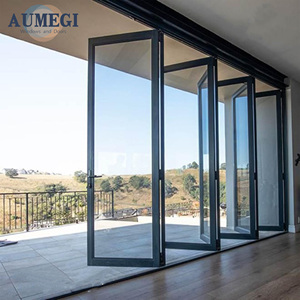
Aumegi Australian Style Vertical Folding Doors Bi Folding Aluminum Bi-fold Patio Sliding Folding Door
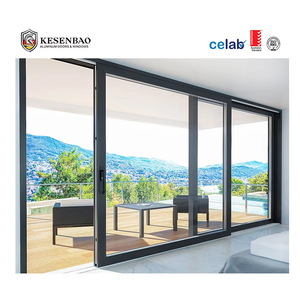
AS2047 Australia Balcony Aluminum Sliding Glass Door Large Double Tempered Glass Stacker Doors for Sale
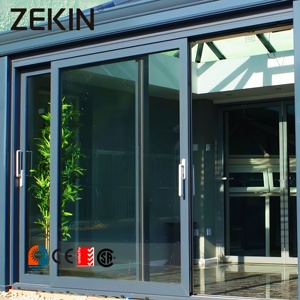
Customized Aluminum Double Glass Sliding Door Energy Efficient NFRC AS2047 Certification Aluminum Heavy Duty Lift Sliding Doors
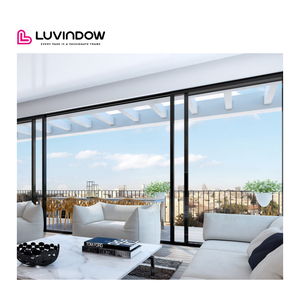
Metal Large Aluminum Double Glass Outdoor Impact Lightweight Slider Doors Soundproof Aluminium Sliding Door
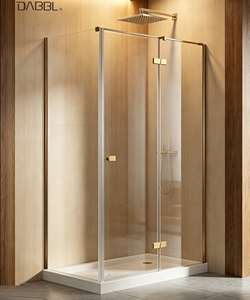
High-end Villa Energy Efficient Thermal Break Aluminum Double Glazing Tempered Glass Impact Sliding Patio Doors
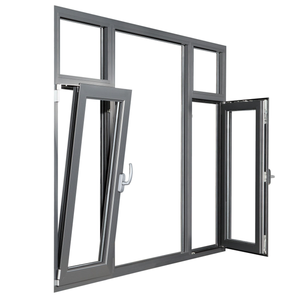
Top Window Brand Ultra Narrow Glass Windows And Doors Aluminum Alloy Line Slimline Window Floor To Ceiling Windows
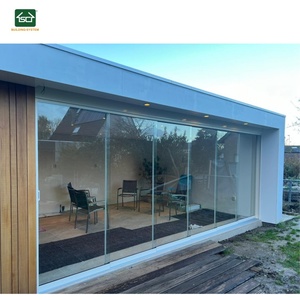
CE Approved Customized Veranda Aluminium Alloy Profile Glazen Schuifwand Sliding Glass Wall For Terassenberdachung
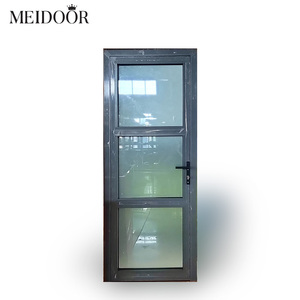
Australian Standard Storm Security Aluminum Hinged Double Glazing Glass French Doors with Fiberglass Screen for Apartment Use
Executive Sourcing Report: China’s Glazed Door Manufacturing Ecosystem
Over the past decade, China has solidified its position as the world's primary manufacturing hub for architectural fenestration, specifically high-performance aluminum glazed door systems. Commercial developers, volume builders, and facade contractors across North America, Australia, New Zealand, and Europe increasingly turn to leading Chinese manufacturers to deliver custom-engineered thermal break sliding, bi-fold, and lift-and-slide door profiles. The primary driver behind this shift is not merely cost efficiency, but the rapid elevation of Chinese manufacturing capabilities to comply with stringent international building standards such as Australia’s AS2047:2014 & AS1288:2021, New Zealand’s NZS4211:2008, North America’s NAFS, and Florida's extreme Miami-Dade TAS 201/202/203 hurricane impact protocols.
Information Gain Key Insight: Procurement success in Chinese aluminum glazed doors relies on evaluating factory-level extrusion alloy purity (6063-T5 vs. 6063-T6), polyamide thermal barrier width (PA66GF25), structural corner crimping technology, and verified third-party laboratory test reports over simple per-square-meter price quotes.
When sourcing from top-tier aluminum glazed door suppliers in Fujian, Guangdong, and Shandong provinces, tier-one buyers look beyond basic aesthetics. The integration of advanced CNC machining centers, automated double-glazing lines, and robotized powder coating facilities (achieving AAMA 2604/2605 specifications) ensures that modern Chinese door assemblies match or exceed European architectural joinery in durability, air tightness, water penetration resistance, and thermal performance (low U-factors).
Future Sourcing & Procurement Trends in Architectural Glazed Doors
As global building codes mandate drastic reductions in operational carbon emissions and net-zero operational targets (such as NCC 2022 in Australia and Title 24 in California), the architectural door market is experiencing major technological transformations. Overseas buyers must align their supply chains with the following emerging procurement trends:
Ultra-Low U-Value Thermal Breaks
Transition from standard aluminum extrusions to multi-cavity thermally broken profiles fitted with 24mm to 34mm PA66GF25 polyamide struts, warm-edge spacers, and Argon-filled Low-E triple glazing achieving U-factors below 1.2 W/m²K.
Minimalist & Slimline Sightlines
Architectural demand for ultra-narrow interlock sightlines (18mm to 25mm) in floor-to-ceiling sliding systems. These demand structural silicone structural glazing (SSG) techniques and heavy-duty concealed stainless steel rollers carrying panel weights up to 400kg.
Hurricane & Cyclone Impact Rated
Extensive adoption of SentryGlas® (SGP) laminated glass interlayers paired with heavy-gauge 6063-T6 aluminum alloys to withstand cyclic wind pressures exceeding 4500 Pa and large missile impacts for coastal regions.
Manufacturing Development & Engineering Innovations
Leading Chinese aluminum door factories have transitioned from manual fabrication to high-precision Industry 4.0 automated workflows. This technological shift directly solves historical issues surrounding dimensional tolerances, corner seal degradation, and hardware misalignment.
1. Precision Profile Extrusion and Metallurgy
Top suppliers strictly utilize primary A00 aluminum ingots to extrude 6063-T5 and T6 structural profiles. Wall thicknesses for commercial heavy-duty sliding and bifold doors are maintained between 1.8mm and 2.2mm, preventing frame deflection under intense wind loads (AS4055/AS1170 compliance).
2. Corner Crimping and EPDM Gasket Engineering
Water leakage at frame joints is a common defect in low-end joinery. Advanced factories employ hydraulic corner crimping combined with dual-component structural corner glue injection. Additionally, multi-channel EPDM continuous weatherstripping seals guarantee air infiltration rates far below regulatory maximums.
3. Global Hardware System Integration
To ensure smooth operation over tens of thousands of open/close cycles, top Chinese manufacturers partner with premier international hardware makers including German ROTO Frank, Siegenia-Aubi, Hoppe, and premium domestic brands such as Kinlong. Multi-point locking hardware provides superior anti-burglary protection (PAS 24 / RC2 standards).
Technical Performance Comparison Matrix
Evaluating technical parameters across standard, thermally broken, and hurricane-impact aluminum door systems:
| Performance Parameter | Standard Non-Thermal Aluminum | Thermally Broken Architectural | Severe Weather / Hurricane Impact |
|---|---|---|---|
| Profile Alloy & Temper | 6063-T5 (1.4mm - 1.6mm) | 6063-T5 / T6 (1.8mm - 2.0mm) | 6063-T6 Reinforced (2.2mm - 3.0mm) |
| Thermal Insulation (U-Value) | 4.5 - 5.8 W/m²K | 1.4 - 2.2 W/m²K | 1.8 - 2.5 W/m²K |
| Acoustic Rating (Rw) | Rw 25 - 30 dB | Rw 35 - 42 dB | Rw 38 - 45 dB |
| Glass Configuration | 5mm + 12A + 5mm Toughened | 6mm Low-E + 16Ar + 6mm Double Glazed | 6mm Temp + 1.52SGP + 6mm Laminated / DGU |
| Max Wind Pressure (Pa) | 1500 - 2500 Pa | 3000 - 4500 Pa | 5000+ Pa (Miami-Dade TAS 202) |
| Hardware Systems | Standard Friction Hinges / Latch | ROTO / Siegenia Lift-Slide Multi-Point | Heavy Duty Stainless 316 Multi-Point Lock |
Factory Strengths & E-E-A-T Verification Standards
SAGA Aluminum Doors & Windows Co., Ltd. represents the pinnacle of Chinese architectural joinery manufacturing, bringing over 16 years of direct export experience to construction partners across Australia, New Zealand, North America, and the Caribbean.
AGWA & AS2047 Audited Compliance
Our manufacturing line undergoes annual third-party audits under the Australian Glass and Window Association (AGWA) scheme, certifying compliance with AS2047:2014, AS1288:2021, and NCC 2022 energy mandates.
Bespoke BIM & CAD Shop Drawings
Every commercial order is backed by complete engineering proposals, structural wind load calculations, cross-sectional details, and installation drawings to streamline architectural and council approval.
Fuzhou & Xiamen Port Logistics
Located near Fuzhou and Xiamen deep-water container ports, we utilize fully enclosed, heavy-duty fumigated steel/wooden crate packaging to prevent shipping damage during ocean transport.
Frequently Asked Sourcing Questions (B2B Procurement FAQ)
Technical guidance for developers, architects, general contractors, and door wholesalers sourcing from China:
Which types of buyers does SAGA supply custom aluminum glazed doors to?
We partner directly with window & door wholesalers, regional distributors, commercial developers, custom home builders, facade contractors, and architectural firms. Each order receives tailored shop drawings, hardware schedules, and packaging configurations engineered for seamless site installation.
How do you verify compliance with Australian (AS2047) and North American (NAFS) standards?
Our door profiles undergo rigorous physical laboratory testing for air infiltration, water penetration resistance, structural deflection under ultimate limit state (ULS) wind pressure, and forced entry resistance. Audited compliance reports and NFRC thermal simulation certificates are provided prior to manufacturing.
What is the typical production lead time for custom architectural door orders?
Production lead time ranges from 35 to 50 calendar days after shop drawings, profile colors, and glass specifications are formally approved. Lead times accommodate precision CNC cutting, thermal break assembly, custom glass tempering/IGU manufacturing, and 100% pre-shipment assembly inspection.
Can SAGA supply physical window and door profile samples for client evaluation?
Yes. Standard corner sample cuts demonstrating thermal break construction, powder coat finishes (AkzoNobel), glass make-ups, and hardware mechanisms are provided free of charge, with express air freight covered by the buyer.
What thermal break insulation technology is utilized in your energy-efficient doors?
We incorporate high-grade Polyamide 66 reinforced with 25% glass fiber (PA66GF25) thermal struts. Unlike cheap PVC strips, PA66GF25 matches the thermal expansion coefficient of aluminum, preventing structural shear fatigue and thermal transfer in extreme climates.
What shipping protection measures are implemented for long-distance container transport?
All glazed door panels and frame sub-assemblies are wrapped in protective film, corner-protected with heavy-duty foam pads, and secured inside custom-built A-frame steel or ISPM-15 compliant fumigated plywood crates to ensure zero glass breakage during transit.
What payment terms and trade assurances are available for international buyers?
We accept Telegraphic Transfer (T/T - 30% deposit upon drawing sign-off, 70% balance prior to container loading) as well as Alibaba Trade Assurance, providing complete payment security, quality guarantee, and on-time shipment tracking.