Engineered Architectural Doors & Windows
Precision-crafted fenestration solutions tested to rigorous Australian (AS2047), North American (NAFS), and Miami-Dade hurricane standards.
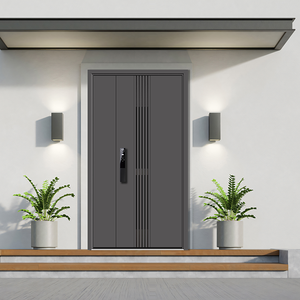
Aluminum Door High Quality Exterior Aluminum Front Door Security Anti Theft for Home
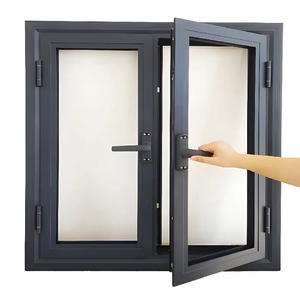
Customized SoundProof Aluminum Alloy Casement Windows Double Glazing French Patio Window
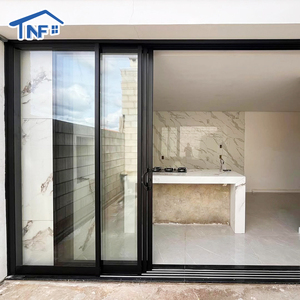
Custom Large Opening Panoramic Hurricane Impact Stacker Double Glazed Sliding Glass Doors
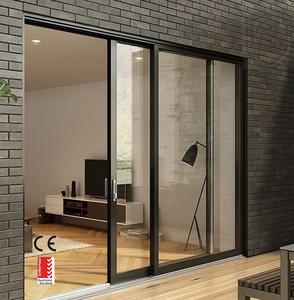
AS2047 CE Soundproof Double Glazed Aluminum Sliding Doors For Balcony Villa Projects
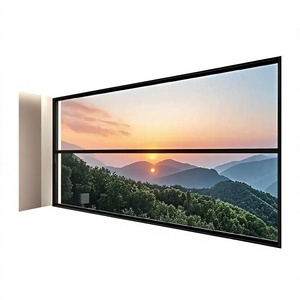
135 Panoramic Thermal Break Aluminum Frame Tempered Hollow Low-E Folding Glass Door
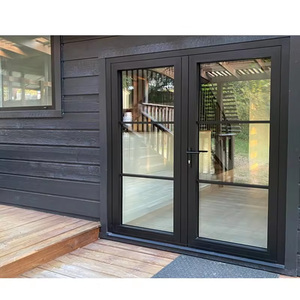
NFRC Residential Modern French Double Front Door Villa Entry Aluminum Swing Doors
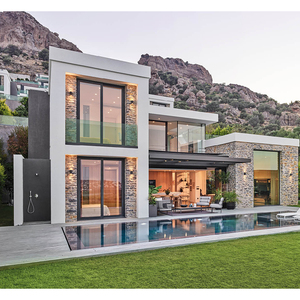
Custom Modern Anthracite Quality Double Glazed Aluminium Window and Door System
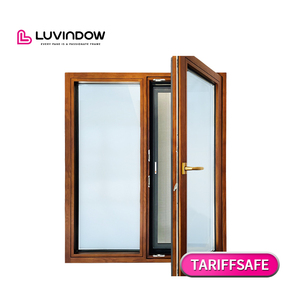
European Style Thermal Break Aluminium Wood Triple Pane Glass Casement Windows
Why SAGA & ROPO Lead China's Aluminum Door Export Sector
Over 16 years of direct-factory engineering, catering specifically to commercial developers, luxury builders, wholesalers, and architectural firms across 25+ global regions.
AGWA Audited Compliance
Certified annually under the Australian Glass & Window Association (AGWA) scheme for AS2047:2014, AS1288:2021, and NCC 2022 building codes.
North American NAFS & Miami-Dade
Proven structural deflection, water resistance, air infiltration, and TAS 201/202/203 high-velocity hurricane impact test reports.
Factory-Direct Logistics & Quality
Operating from Minhou County, Fuzhou, Fujian with direct sea freight loading out of Fuzhou and Xiamen ports for seamless container shipping.
Engineering Analysis: Heavy-Duty Exterior Aluminum Pivot Doors
In modern luxury residential and high-end commercial architecture, exterior entry doors have evolved from traditional hinged barrier panels into massive architectural statements. As structural opening dimensions expand past standard 2.1-meter heights toward custom spans of 3.0 to 6.0 meters, conventional edge-mounted butt hinges fail under severe dynamic tension and cantilevered weight loads. Aluminum pivot door systems solve this structural limitation by shifting the rotational axis inward onto top and bottom vertical pivot pins.
China has established itself as the global manufacturing hub for precision engineered architectural pivot doors. Leading Chinese OEMs utilize high-tensile 6063-T6 aluminum alloys combined with thermal isolation polyamide barriers (PA66 GF25) to manufacture pivot doors that handle panel weights exceeding 500 kilograms while delivering exceptional thermal performance ($U \le 1.6 \text{ W/m}^2\text{K}$) and high design wind pressure ratings ($p_3 \ge 4500 \text{ Pa}$).
1. Structural Kinematics & Pivot Offset Engineering
Unlike side-hinged doors that exert enormous pull-out force on jamb fasteners, an aluminum pivot door transfers 95% of its dead load directly down into the concrete slab or structural subfloor via a heavy-duty floor spring or concealed pivot spindle.
- Pivot Axis Position: Standard offset placement is 100mm to 150mm from the frame edge, creating a sleek self-balancing opening dynamic. For ultra-wide panels (over 2000mm), mid-pivot or custom 1/3-point offsets reduce required swing clearance while optimizing mechanical leverage.
- Concealed Hydraulic Closers: Systems integrated with FritsJurgens, DormaKaba, or proprietary heavy-duty floor springs incorporate adjustable damping controls, 90° hold-open functionality, and dynamic backcheck to prevent wind gusts from slamming large panels.
- Wall-Thickness Extrusion Profiles: Top-tier manufacturers utilize heavy-wall aluminum extrusions (2.5mm to 4.0mm structural wall thickness) reinforced with internal corner cleats and steel stiffness channels to resist thermal bow in high-temperature exposure environments.
2. Weatherproofing, Air-Infiltration & Drop-Down Seals
Historically, the primary challenge of pivot door engineering was achieving complete perimeter sealing due to the rotating floor spindle and top pin clearing gaps. Modern manufacturing breakthroughs from leading Chinese factories have resolved this through multi-stage sealing integration:
Automatic Drop-Down Bottom Seals
Spring-loaded mechanical seals drop pneumatically against the threshold as the door latches, blocking wind-driven rain and sound transmission.
Continuous EPDM Weather Stripping
Multi-layered ethylene propylene diene monomer (EPDM) gaskets line the double-rebate frame profiles to pass rigorous AS2047 air infiltration tests.
Magnetic Interlocking Thresholds
Concealed neodymium magnetic strips pull flexible weather flaps tight against the door leaf, ensuring zero air leaks even under negative pressure.
Technical Performance Comparison Matrix
Comparing Heavy-Duty Aluminum Pivot Doors against Traditional Entrance Configurations
| Performance Feature | Aluminum Heavy-Duty Pivot Door | Standard Aluminum Hinged Door | Aluminum Folding (Bifold) System |
|---|---|---|---|
| Max Panel Width / Height | Up to 3000mm W x 6000mm H | 1200mm W x 2700mm H | 1000mm W x 3200mm H (per leaf) |
| Max Weight Load Capacity | 500 kg – 1000 kg | 120 kg – 180 kg | 100 kg per panel |
| Structural Wind Load (AS2047) | Up to 4500 Pa (Ultimate) | 2500 Pa – 3000 Pa | 2000 Pa – 3000 Pa |
| Hardware Stress Distribution | Direct floor compression (Vertical load axis) | High cantilever tension on side jamb | Concentrated top-hung track load |
| Thermal Insulation ($U$-Value) | 1.4 – 1.8 W/m²K (Thermally Broken) | 1.6 – 2.2 W/m²K | 1.8 – 2.5 W/m²K |
| Architectural Impact | Ultra-modern grand entrance, flush finish | Traditional residential profile | Wide opening flexibility for patios |
Future Procurement Trends in Global Fenestration (2025–2030)
Key market forces reshaping how international buyers, property developers, and architects purchase aluminum doors from China factories.
1. Smart Access & Automated Motorization
Procurement orders are shifting rapidly toward smart-enabled hardware systems. Modern aluminum pivot doors are increasingly requested with concealed electromechanical drive motors, biometric fingerprint scanners, RFID readers, and smart home integration (Z-Wave/KNX) built into the multi-point lock mechanisms at the factory floor.
2. Low-Carbon Aluminum & EPD Compliance
International building standards (such as Australia’s NCC 2022 H1 thermal regulations and European Green Building directives) demand verified Environmental Product Declarations (EPDs). Global buyers now prioritize Chinese factories that utilize hydro-powered aluminum extrusions and recycled billet stocks to satisfy carbon footprint audits.
3. Complete Envelope Consolidation
Instead of sourcing doors, windows, glass balustrades, and sunshades from fragmented vendors, developers are consolidating procurement with single-source factories like SAGA. Sourcing full project envelopes ensures uniform powder-coat batch color matching, synchronized shipping containers, and unified warranty enforcement.
Product Development & Extrusion Technology Trends
How state-of-the-art Chinese fenestration plants are advancing aluminum profile engineering, glass technology, and surface durability.
5-Axis CNC Precision Machining
Eliminating manual routing errors, 5-axis CNC machines cut hardware lock pockets, concealed pivot pin recesses, and drop-seal housings with sub-millimeter tolerances. This guarantees that German and European hardware (ROTO, Siegenia, FritsJurgens) fits seamlessly upon assembly.
Polyamide Thermal Isolation (PA66 GF25)
Integrating 24mm to 34mm glass-fiber reinforced polyamide thermal break strips structurally bridges exterior and interior aluminum extrusions. This stops thermal bridging, preventing indoor condensation while drastically lowering HVAC energy consumption in harsh climates.
AkzoNobel & PVDF Fluorocarbon Coatings
Exterior finishes require extreme resistance against UV radiation and coastal salt spray. Utilizing Qualicoat Class 2 standard AkzoNobel powder coatings and 3-coat PVDF fluorocarbon treatments ensures color retention and anti-corrosion performance backed by a 15 to 25-year warranty.
Frequently Asked Questions Regarding B2B Door Procurement
Clear, direct technical and commercial answers for architects, contractors, and building material importers.
Request Technical Specifications & Wholesale Pricing
Submit your architectural plans or window schedules today. Our engineering desk will deliver detailed shop drawings, structural calculations, and a competitive factory quote within 24 hours.