Featured Wholesale Aluminium & Acrylic Door Systems
Factory-direct fenestration portfolio tested to global standards including AS2047, NZS4211, NAFS, and Miami-Dade hurricane protocols.
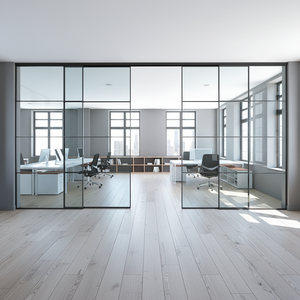
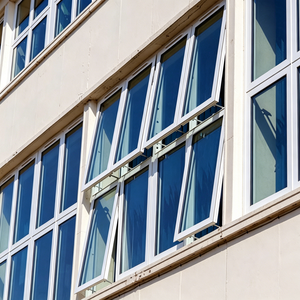
Window Low Profile Bevel Aluminum Glass Anthracite Powder Top Hung Modern Building Facade Windows
Contact Us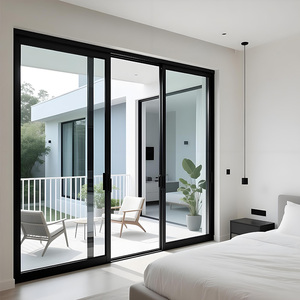
Aluminum Tempered Glass Sliding Balcony Veranda Door For House Metal Modern Sliding Doors Decorative Soundproof Patio Doors
Contact Us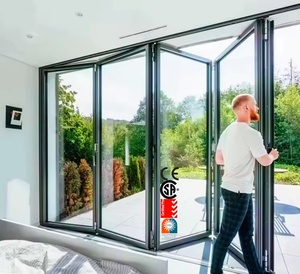
Folding Door Hurricane Proof Energy-efficient Aluminum Exterior Door Balcony Patio Lowe Double Glass Aluminum Bi-fold Door
Contact Us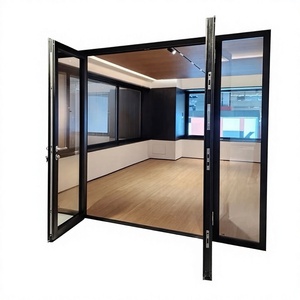
Aluminum Alloy Thermal Break Casement Door With Multi Point Locking For Residential Commercial Projects
Contact Us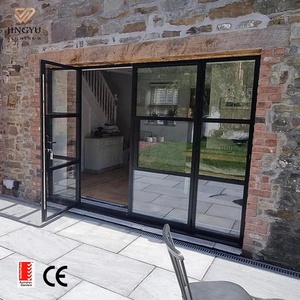
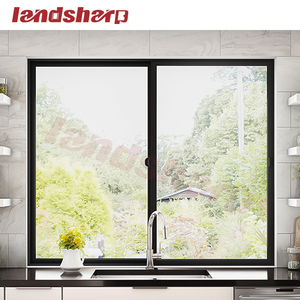
High-Quality Customized Glass Sliding Windows with Aluminum Profile, Shutter, and Screen for Houses
Contact Us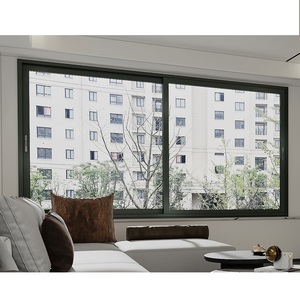
Aluminum Sliding windows and Door Aluminium Double Glass Sliding Window Sliding Aluminum Windows
Contact UsWhitepaper Briefing: Industrial Engineering Trends in Aluminium & Acrylic Door Manufacturing
The modern architectural fenestration sector is experiencing a structural paradigm shift. As developers, commercial contractors, and wholesale importers seek to balance structural longevity, thermal efficiency, and minimalist aesthetics, the hybrid integration of 6063-T5 architectural aluminium extrusions and high-impact polymethyl methacrylate (PMMA) acrylic glazing has emerged as a preferred solution for interior, exterior, and high-traffic commercial installations.
Historically, commercial building specs forced a rigid compromise between heavy, fragile annealed/tempered glass and lightweight polymer alternatives that lacked structural rigidity. Today, precision CNC manufacturing, combined with advanced thermal-break polyurethane polyamide (PA66) isolation strips, allows top-tier Chinese original equipment manufacturers (OEMs) to supply custom-engineered aluminium acrylic doors that deliver exceptional acoustic dampening, weight reduction, and extreme impact endurance.
1. Material Science Synergy: 6063-T5 Aluminium Alloys Meets Optical Acrylic
Aluminium door frames extruded from primary 6063-T5 billet offer a tensile strength exceeding 160 MPa and yield strength beyond 110 MPa. When combined with optical-grade acrylic infill panels, these systems yield distinct mechanical advantages over traditional glass assemblies:
- Structural Weight Mitigation: Acrylic possesses a density of approximately 1.19 g/cm³, nearly half that of standard float glass (2.5 g/cm³). This drastically lowers dead-load pressure on structural hinges, tracks, and hardware assemblies, facilitating smooth operation in expansive multi-panel bi-fold and lift-and-slide configurations.
- Shatter Resistance & Impact Safety: Premium acrylic infill exhibits impact resistance up to 17 times greater than standard tempered glass. Under extreme wind conditions or physical impact, acrylic resists dynamic shattering, mitigating personal injury risk in high-occupancy commercial settings.
- UV Thermal Stability & Optical Clarity: Modern optical acrylic substrates incorporated into our door profile systems are stabilized against solar radiation, ensuring light transmittance rates of up to 92% without yellowing, hazing, or surface degradation over decades of sun exposure.
2. Advanced Thermal Break & Multi-Point Locking Architectural Mechanisms
Energy code mandates—including the Australian National Construction Code (NCC 2022), New Zealand Building Code Clause H1, and North American Energy Star standards—require ultra-low thermal transmittance (U-factors). Original Chinese manufacturers have addressed this requirement by engineering multi-chamber thermal breaks within aluminium frames, effectively interrupting conductive heat flow between interior and exterior building envelopes.
Simultaneously, security standards have evolved. Incorporating multi-point locking hardware from tier-one global suppliers (such as Roto, Siegenia, and Kinlong) ensures uniform gasket compression along the door perimeter, providing tested air infiltration rates under 0.5 L/s·m² and water resistance ratings exceeding 450 Pa.
Engineering Performance & Material Benchmarks
To assist architects, structural engineers, and commercial procurement directors in evaluating material suitability, the following empirical comparison matrix details key physical metrics across primary door infill and profile technologies:
| Performance / Material Parameter | Aluminium + PMMA Acrylic Infill | Thermally Broken Aluminium + DGU Glass | Standard Non-Thermal Aluminium | uPVC Multi-Chamber System |
|---|---|---|---|---|
| Structural Density (g/cm³) | 1.19 (Acrylic Infill) | 2.50 (Glass Infill) | 2.50 (Glass Infill) | 1.40 (Frame Profile) |
| Impact Resistance Factor | 17x vs Standard Glass | High (Tempered) | Moderate to High | Moderate Impact |
| Thermal Conductivity (U-Value W/m²K) | 1.6 – 2.2 | 1.2 – 1.8 | 3.5 – 5.8 | 1.0 – 1.5 |
| Acoustic Isolation (STC Rating) | 32 – 38 dB | 36 – 44 dB | 28 – 32 dB | 34 – 42 dB |
| Air Tightness (Pa) | Class 4 (600 Pa) | Class 4 (600 Pa) | Class 2 (300 Pa) | Class 4 (600 Pa) |
| Hurricane Impact Compliance | Miami-Dade TAS 201/203 Ready | TAS 201/202/203 Certified | Not Recommended | Specific Sub-Chamber Reinforced |
Note: Empirical values depend on exact profile depth, glass/acrylic thickness configuration, and gasket seal integration. Detailed test reports are provided per shop drawing approval.
Future Procurement & Supply Chain Outlook for B2B Importers (2025–2030)
As commercial builders and building material wholesalers streamline their overseas sourcing strategies, purchasing directly from qualified Chinese OEMs has evolved beyond simple unit-cost arbitrage. Importers now seek end-to-end supply chain integration, technical verification, and custom manufacturing agility.
1. Shift Toward Pre-Certified OEM/ODM Direct Manufacturing
International building codes require rigorous, auditable proof of performance before fenestration products can be installed on site. Modern procurement strategies prioritize Chinese suppliers with verified third-party accreditation schemes. This minimizes regulatory risk, prevents customs clearance holds, and ensures compliance with local certifiers.
Key global auditing benchmarks include:
- Australian & New Zealand Markets: Compliance with AS2047:2014 (Windows and External Glazed Doors in Buildings), AS1288:2021 (Glass in Buildings), and NZS4211:2008 audited under independent AGWA accreditation programs.
- North American Market: Adherence to the North American Fenestration Standard (NAFS) covering air leakage, water penetration structural loads, and forced-entry resistance.
- High-Velocity Hurricane Zones (HVHZ): Protocols compliant with Miami-Dade County TAS 201-94, TAS 202-94, and TAS 203-94 cyclic wind pressure testing for Florida and Caribbean coastal deployments.
2. Custom Engineering & Shop Drawing Workflow Integration
Procurement teams increasingly require direct technical collaboration prior to production. Leading manufacturers utilize 3D CAD modeling, BIM integration, and detailed section drawings to confirm structural flashing, sill rebate depths, and fixing lug placements before material extrusion begins. This eliminates costly job-site retrofitting and ensures rapid on-site installation.
3. Logistics Optimization & Crate Packaging Safety
Export logistics present significant risk regarding product damage and container space inefficiency. Modern factories employ fully customized steel-framed or fumigated plywood crate packaging with inter-leaf protective film. This secures profiles against ocean freight vibration and humidity while maximizing container volume utilization, lowering landed shipping costs per unit.
Why Global Importers Partner with SAGA Doors & Windows
Delivering engineering excellence, certified performance, and factory-direct reliability to developers, architects, and distributors worldwide.
16+ Years Manufacturing Mastery
Over a decade and a half of dedicated expertise engineering custom aluminium, uPVC, and acrylic door and window systems tailored specifically for international export standards.
Rigorous Global Audits & Certificates
Our products undergo annual independent audits to maintain AGWA, AS2047, NZS4211, NAFS, and Miami-Dade certifications, providing bulletproof regulatory compliance for your projects.
Bespoke Engineering & CAD Support
Every commercial order receives complete structural calculations, section drawings, and installation shop drawings prepared by experienced in-house fenestration engineers.
10-Year Comprehensive Warranty
We stand behind our craftsmanship with a 10-year factory-direct quality assurance guarantee covering frame integrity, surface powder-coating adhesion, and hardware functionality.
Flexible Shipping & Port Access
Convenient loading directly out of Fuzhou or Xiamen deep-water container ports in Fujian, China, offering flexible ocean freight scheduling and competitive FOB/CIF terms.
Comprehensive Partner Ecosystem
Integrated supply chain relationships with global profile and hardware pioneers like Veka, Rehau, Zhongcai, ROTO, Siegenia, and Kinlong ensuring unmatched reliability.
Frequently Asked Questions for Commercial Procurement
Detailed answers addressing technical specification, customization, compliance, and international trade logistics.
What are the primary performance advantages of acrylic aluminium doors over standard glass doors?
Aluminium acrylic doors utilize optical PMMA acrylic panels which provide up to 17 times the impact resistance of standard glass while cutting total panel weight by roughly 50%. This weight reduction significantly decreases hardware stress on multi-panel bi-fold, sliding, or swing door configurations while delivering high light transmittance and superior shatter resistance for safety-conscious commercial and residential environments.
Which commercial buyer types does SAGA custom supply to?
We supply a wide global network including building material wholesalers and dealers, commercial contractors, residential property developers, architectural studios, and joinery installers. Every project order is paired with bespoke CAD shop drawings, structural calculations, and installation guides customized to local building codes.
Do SAGA aluminium doors and windows comply with Australian (AS2047) and New Zealand standards?
Yes. Our window and door profiles are independently audited under the Australian Glass and Window Association (AGWA) program. We maintain certified test reports for AS2047:2014, AS1288:2021, and NCC 2022. For New Zealand projects, our certification validates compliance with NZS4211:2008 across Building Code clauses B1 (Structure), B2 (Durability), E2 (External Moisture), F2, G4, G7, and H1 (Energy Efficiency).
What is the typical factory production lead time for wholesale custom orders?
Standard factory production lead time ranges from 35 to 50 days following final CAD shop drawing sign-off and deposit receipt. Transits times depend on destination ports, with direct sailings available from our loading facilities at Fuzhou or Xiamen ports in Fujian, China.
Can SAGA provide architectural samples for client quality evaluation?
Yes, we regularly supply standard-sized corner sections or full profile samples for architectural review and structural testing. Sample units are provided free of charge, with the buyer responsible for express courier freight costs.
What technical and engineering drawing support is included with custom orders?
Our in-house engineering team provides complete 2D and 3D shop drawings, section profiles, installation detail drawings, structural wind load calculations, and glass/acrylic specification schedules. Your engineering team can review and approve all dimensions and performance metrics before manufacturing commences.
What surface finish and color options are available for wholesale extruded aluminium frames?
We provide a comprehensive selection of surface treatments including Interpon and AkzoNobel powder coatings, anodized finishes, fluorocarbon (PVDF) coatings for coastal environments, and realistic thermal-transfer woodgrain finishes. Custom RAL colors can be matched to meet specific project guidelines.
What payment methods and trade terms are supported for export orders?
We accept Telegraphic Transfer (T/T bank transfer) and Alibaba Trade Assurance for full payment security. Standard trade terms include FOB, CFR, CIF, and DDP depending on destination and client logistics capabilities.
Ready to Request an Engineering Quote & Technical Proposal?
Send us your project drawings, window schedules, or technical specifications. Our engineering team will return a complete shop drawing proposal and competitive factory-direct quote within 24 hours.
Contact Us