High-Performance Architectural Windows & Casement Doors
Precision-engineered aluminum and thermal break fenestration systems manufactured to exact international standards for global importers, developers, and trade contractors.
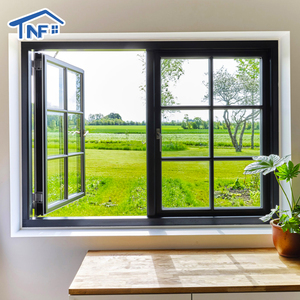
Aluminum Arched French Casement Windows and Doors for Houses
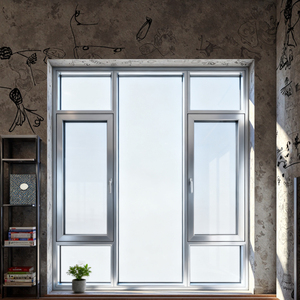
Modern Aluminum Alloy Burglar-Proof Casement Windows With Heat Insulation For Exterior Use
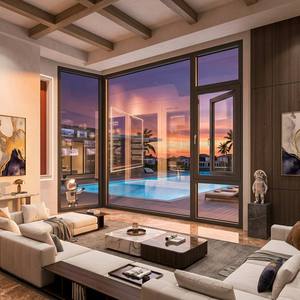
HUACAI Waterproof Anti-theft Aluminium Casement Window with Built-in Magnetic Blinds
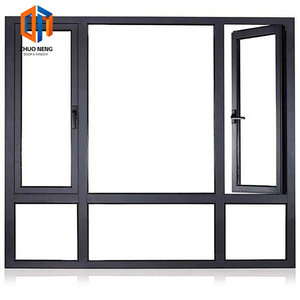
NFRC Soundproof Double Glazed Insulated Aluminium Glass Casement windows Design Impact Energy Efficiency Aluminum Window
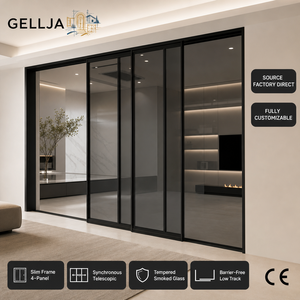
Modern Design Sliding Patio Door System Exterior Flush Aluminum Alloy Double Glazing Tempered Glass Waterproof Kitchen Door
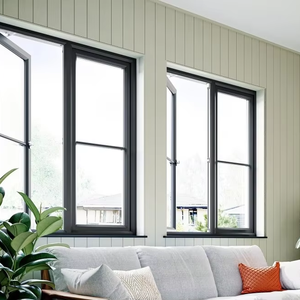
Prima High End Powder Coated Anthracite Grey Aluminium Casement Window for Modern Luxury Home
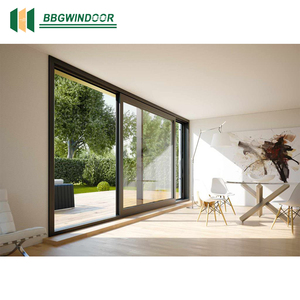
Lukliving Factory Direct Selling High Quality Exterior Double Glass House Back Sliding Doors Courtyard Door
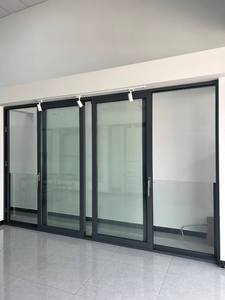
Modern Aluminum Glass Fireproof Double Entry Door Exit Design Finished for Hotel Commercial Warehouse School Interior Use
Why International Buyers Partner With SAGA Doors & Windows
As a premiere China wholesale aluminum casement door manufacturer, our operations integrate metallurgical engineering, custom profile extrusion, and rigorous international code testing.
Architectural Customization
Complete BIM/CAD shop drawing production for custom profile depth, sightlines, thermal break barriers (PA66-GF25), arch configurations, and structural glazing specifications.
AGWA & NAFS Accredited
Audited under the AGWA program for AS2047:2014, AS1288:2021, NCC 2022, alongside verified NAFS structural test reports and New Zealand NZS4211 building compliance.
Miami-Dade HVHZ Certified
Tested for High-Velocity Hurricane Zones under TAS 201-94 (Large Missile Impact), TAS 202-94 (Static Pressure), and TAS 203-94 (Cyclic Wind Pressure Loading).
Supply Chain Reliability
Direct export loading from Fuzhou and Xiamen sea ports. Standardized packing in ISPM-15 heat-treated protective wooden crates ensures zero transit glass breakage.
Multi-Point Security Systems
Equipped with premium German hardware (ROTO, Siegenia-Aubi) and Kinlong concealed stainless steel multi-point locking mechanisms for structural anti-burglary protection.
Full Lifecycle OEM Support
From initial standard-size sample validation to on-site installation guides and 10-year structural warranty replacement guarantees for developers and trade partners.
The Engineering Paradigm of Modern Aluminum Casement Doors
Technical evaluation of material selection, thermal break metallurgy, wind pressure dynamics, and international procurement standards for commercial and residential projects.
1. Metallurgical Profiles & Thermal Break Systems (PA66-GF25)
In modern architectural fenestration, the thermal performance of aluminum casement doors is governed by the structural isolation between the exterior and interior extruded profiles. Uninsulated aluminum alloy exhibits high thermal conductivity (~200 W/m·K). To overcome this acoustic and thermal vulnerability, modern Chinese manufacturing employs high-density PA66-GF25 (Polyamide 66 reinforced with 25% glass fiber) thermal barrier strips.
Our architectural casement systems use 6063-T5 and 6063-T6 primary aluminum billets. By inserting dual-extruded PA66-GF25 thermal struts into 24mm to 34mm multi-chamber cavities, overall door frame U-values are reduced from 5.8 W/m²·K down to ≤ 1.4 W/m²·K when paired with double or triple insulated glass units (IGU).
Engineering Insight: Polymer Reinforcement vs. PVC Strips
Cheaper commercial joinery frequently uses PVC thermal strips, which suffer from a high coefficient of thermal expansion (α = 80×10⁻⁶/K), causing debonding and air infiltration over time. SAGA exclusively utilizes PA66-GF25 (α = 25×10⁻⁶/K), matching the thermal expansion rate of aluminum extrusions to preserve frame structural integrity across extreme ambient temp differentials (-30°C to +80°C).
2. Technical Material Comparison Matrix
To assist architects, structural engineers, and procurement officers in selecting the optimal joinery framing material, the comparative engineering matrix below outlines key physical properties, compliance parameters, and cost-efficiency benchmarks:
| Engineering Criteria | Standard Aluminum (6063-T5) | Thermally Broken Aluminum | uPVC Multi-Chamber Profile | Aluminum-Timber Composite |
|---|---|---|---|---|
| Frame U-Value Range (W/m²·K) | 5.0 – 6.2 | 1.2 – 2.0 | 1.0 – 1.6 | 1.1 – 1.5 |
| Tensile Yield Strength (MPa) | ≥ 110 MPa | ≥ 170 MPa (T6) | ≥ 40 MPa | ≥ 160 MPa |
| Max Wind Pressure (Pa) | 3000 Pa | 4500 Pa – 9000 Pa (HVHZ) | 2400 Pa | 4000 Pa |
| Acoustic Rating (STC / R_w) | STC 28 – 32 | STC 38 – 45 dB | STC 36 – 42 dB | STC 40 – 48 dB |
| Coastal Corrosion Rating | AAMA 2603 / Standard Anodized | AAMA 2605 Fluoropolymer (PVDF) | Immune to Salt Corrosion | AAMA 2604 Marine Powder Coat |
| Maintenance Lifecycle | 20+ Years (Low) | 35+ Years (Ultra-Low) | 15–25 Years (Medium) | 25+ Years (Interior Wood Care) |
Future Procurement & Development Trends in Aluminum Casement Doors
How regulatory shifts, climate resilience mandates, and smart building integration are reshaping global B2B procurement strategies through 2030.
1. Decarbonization & Low-Carbon Aluminum
Global building codes (e.g., EU Energy Performance of Buildings Directive, Australian NCC 2022 Section H1) demand strict embodied carbon limits. Procurement is rapidly pivoting toward recycled aluminum scrap integration and primary aluminum smelted using hydropower, reducing carbon intensity below 4.0 kg CO2/kg Al.
2. High-Velocity Hurricane Zone (HVHZ) Demand
Due to severe climate events in North America, Australia, and the Caribbean, developers increasingly mandate SGP (SentryGlas® Interlayer) laminated impact glass paired with heavy-duty casement hinges tested to 9000 Pa design wind pressures (TAS 201/202/203 compliance).
3. Automated Actuation & Smart Building Integration
Commercial casement door procurement now frequently integrates concealed electric chain winders, motorized multi-point locks, and magnetic sensor reed switches for seamless connectivity with automated Building Management Systems (BMS) and smart home security networks.
4. Minimalist Ultra-Slim Sightline Aesthetics
Architectural preference has shifted toward narrow frame face widths (≤ 45mm) and flush exterior frame-to-sash profiles. This requires high-yield alloy formulations (6063-T6) and structural silicone bonding to maintain high structural wind resistance while maximizing natural daylight ratio.
5. Prefabricated Modular Fenestration
To reduce expensive job-site labor in Australia, North America, and Western Europe, importers are requesting pre-hung casement door assemblies complete with factory-fitted sub-head and sub-sill flashings, pre-drilled fixing flanges, and integrated weather-proofing membranes.
6. Integrated Solar Control & Dynamic Blinds
The insertion of motorized micro-blinds inside hermetically sealed double-glazed units (argon-filled) prevents dust accumulation while allowing occupants to dynamically control solar heat gain coefficient (SHGC) and interior glare without sacrificing clear architectural lines.
Global Building Code Compliance Framework
SAGA's custom aluminum casement doors are engineered and certified to meet regional building standards across major international markets.
| Target Region | Primary Building Standard | Key Testing Parameters Verified | Recommended Door Configuration |
|---|---|---|---|
| Australia & Pacific | AS2047:2014 / AS1288:2021 / NCC 2022 (AGWA) | Water Penetration (up to 600Pa), Ultimate Limit State (ULS) Wind Load, Air Infiltration. | Thermally Broken Aluminum Awning/Casement, Sub-sill drainage, Low-E Double Glazing. |
| New Zealand | NZS4211:2008 / NZBC Clauses B1, B2, E2, H1 | Weathertightness, Weathertight Envelope E2/AS1, High Thermal Insulation (H1 Energy compliance). | PA66 Thermal Break Casement, Warm-Edge Spacer IGU, Argon gas filled, Multi-point locking. |
| North America (USA & CA) | NAFS-17 / AAMA / WDMA / CSA 101/I.S.2/A440 | Structural Deflection (CW/AW Ratings), Forced Entry Resistance, Water Resistance Test. | Heavy-duty 70mm frame profile, Stainless steel friction stays, NFRC certified low U-factors. |
| Florida & Caribbean | Miami-Dade NOA (TAS 201, 202, 203) | Large Missile Impact Test (9-lb 2x4 stud @ 50 ft/s), Cyclic Wind Pressure (±100 PSF). | Impact-resistant aluminum casement, SGP laminated glass, heavy-wall extrusions (2.0mm+). |
7-Step Precision Manufacturing & OEM Supply Chain
A standardized workflow ensures zero dimensional deviations and guarantees full traceability from raw aluminum billet to final site delivery.
CAD/BIM Shop Drawings
Elevation detailing, section drawings, structural load modeling signed off by client.
Billet Extrusion
6063 alloy extrusions subjected to T5/T6 thermal aging for max structural yield strength.
Surface Coating
AkzoNobel powder coating or PVDF fluoropolymer spray meeting AAMA 2605 specifications.
Thermal Insertion
Automated insertion and knurling of PA66-GF25 polyamide thermal insulation struts.
CNC Milling & Crimping
4-axis CNC corner crimping and lock mortising for millimeter-precise sash alignment.
IGU Glazing & QC
Double/triple glass unit installation with EPDM synthetic rubber seals & water spray test.
Crate Export Packing
Fully enclosed ISPM-15 fumigated wooden crate packing loaded directly into sea containers.
Frequently Asked Questions by Importers & Contractors
Clear answers to essential technical, logistics, and trade compliance inquiries.
Which buyer categories does SAGA primarily supply?
We work directly with window & door wholesalers/dealers, commercial & residential builders, real estate developers, general contractors, architectural firms, and high-end homeowners. Each client group receives dedicated CAD drafting, structural engineering calculations, and code compliance documentation tailored to their local jurisdiction.
What is the typical production lead time for custom aluminum casement doors?
Standard lead time for manufacturing is 35 to 50 days following final CAD shop drawing sign-off and deposit receipt. Project orders requiring custom extrusion die creation or specialized powder-coat colors (e.g., custom RAL marine finishes) may add 7–10 days to the initial tooling phase.
Can SAGA supply physical sample units for local certification review?
Yes. We regularly manufacture standard-size physical window/door corner samples or full-scale sample units for quality evaluation, laboratory structural testing, and local certifier inspection. Standard samples are provided free of charge, with courier freight covered by the buyer.
What technical support documentation is included with custom orders?
Every commercial order includes comprehensive shop drawings, cross-sectional architectural CAD details, fixing anchor layout schematics, sub-frame installation guidelines, and official test reports (AS2047, NAFS, Miami-Dade) required for local council building approvals.
Do SAGA aluminum casement doors meet Australian AS2047 & New Zealand NZS4211 standards?
Absolutely. Our product compliance has been audited and certified under the Australian Glass and Window Association (AGWA) accredited program for AS2047:2014, AS1288:2021, and NCC 2022. For New Zealand, our engineering testing satisfies NZS4211:2008 and NZBC structural, water tightness (E2), and thermal insulation (H1) performance criteria.
What ports of loading are utilized for sea freight logistics?
All export container shipments are loaded directly at Fuzhou Port or Xiamen Port in Fujian Province, China. Both ports offer direct ocean freight routes to major international ports across Australia, New Zealand, North America, the Caribbean, and Europe.
What payment methods and trade terms are supported?
We support standard international B2B payment terms including T/T (Telegraphic Transfer bank transfer) and Alibaba Trade Assurance payment protection. Trade terms offered include FOB China ports, CIF destination ports, or DDP (Delivered Duty Paid) to job sites.
What frame finish and color customization options are available?
We offer fluoropolymer PVDF spraying, AkzoNobel powder coating, anodizing, and heat-transfer woodgrain finishes. Popular stock finishes include Matt Black, Architectural White, Monument Grey, Anthracite Grey, and natural anodized aluminum. Custom RAL colors can be specified without restriction.
Ready to Engineer Your Architectural Fenestration Package?
Connect with SAGA's senior structural engineering team today to review your project drawings, verify building code compliance, and receive a turnkey factory-direct quotation.
Contact Us