Precision OEM Aluminium Double Glazed Door & Window Systems
Manufactured to exact specifier dimensions with thermally broken aluminium frames, argon-filled double glazing, and certified multi-point security hardware.
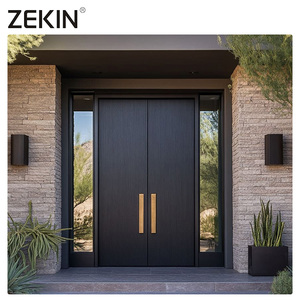
ZEKIN Custom Large House Metal Front Entrance Double Door Modern Security Design Armored Aluminum Exterior Door
Send an Inquiry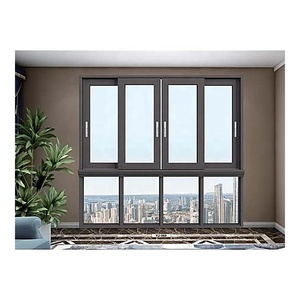
Customization Large Aluminum Sliding Window Stainless Steel Mesh Double Glazed Tempered Hurricane Impact Resistant Window
Send an Inquiry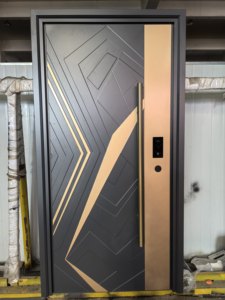
Customizable Aluminium Door with Windproof Feature and Finished Surface for Home Bedroom Bathroom & Commercial Interior Use
Send an Inquiry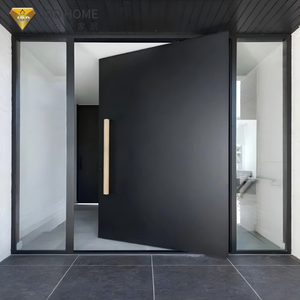
Aluminum Alloy Pivot Door with Concealed Hinge Mechanism - Anti-Impact External Pivot Entrance Door for Home and Hotel
Send an Inquiry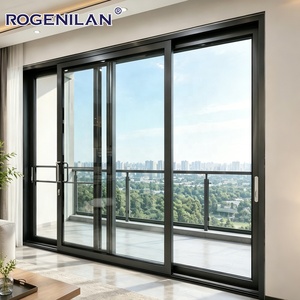
Rogenilan Foshan Custom Hurricane Proof Aluminium Sliding Slide Glass Doors and windows for House Hotel Office Balcony
Send an Inquiry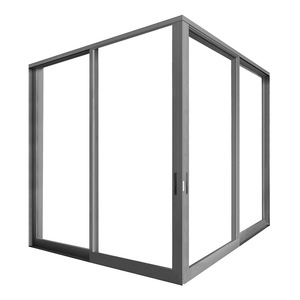
AS2047 Australian Customized Aluminium Pocket Glass Sliding Door Concealed Pocket Door Trackless Sliding Hidden Sliding Door
Send an Inquiry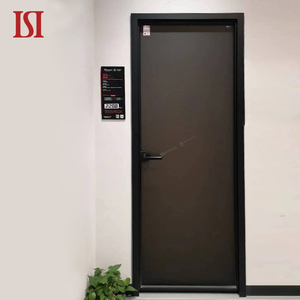
Top Brand Modern Simple Aluminum Swing Door Black Aluminum Frame High Quality Alloy Material For Bedroom Custom Minimalist
Send an Inquiry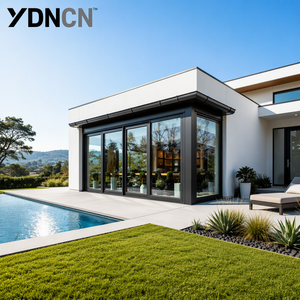
YDN Modern Aluminium Alloy Sliding Windows & Doors with Thermal Break Double Glazed Soundproof for Villa & Office
Send an InquiryArchitectural Specifications & Thermal Dynamics of Custom Double Glazed Aluminium Doors
An executive technical guide for global architects, commercial developers, and volume importers seeking optimized fenestration performance.
1. Extrusion Metallurgical Composition & Structural Integrity
In modern architectural fenestration, the structural foundation of high-performance custom OEM double glazed doors rests entirely on precision extruded aluminium alloy profiles. Standard commercial doors frequently fail to meet wind-load requirements or suffer profile deflection over time. SAGA utilizes primary 6063-T5 and 6063-T6 architectural grade aluminium alloys, engineered with tensile strengths exceeding 205 MPa and yield strengths over 170 MPa.
Profile wall thicknesses are strictly compliant with international engineering standards—ranging from 1.6mm for standard residential casements up to 2.0mm–3.0mm heavy-duty wall profiles for expansive heavy-duty sliding, bifold, and pivot door applications. The structural rigidity inherent in 6063-T6 alloys ensures zero frame twist, permitting floor-to-ceiling glass installations that withstand maximum ultimate wind pressure tests (N6/C4 classifications up to 4500 Pa under AS2047 standards).
2. Thermal Break Technology: Polyamide Strip Mechanics (PA66 GF25)
Aluminium is naturally highly conductive (thermal conductivity ≈ 200 W/m·K). Without thermal isolation, double glazed door frames act as thermal bridges, leading to massive heat gain in hot climates, heating loss in cold climates, and severe interior condensation. To counteract this, custom OEM double glazed doors feature precision-extruded Polyamide (PA66 GF25) thermal break strips crimped between outer and inner aluminium extrusions.
SAGA integrates 24mm to 34mm multi-chambered polyamide strips reinforced with 25% fiberglass. This composite structure lowers profile conductivity down to less than 0.3 W/m·K while maintaining mechanical shear strength under extreme thermal expansion cycles (-30°C to +80°C). When combined with double or triple insulated glass units (IGUs), system overall U-values drop dramatically from >5.8 W/m²K (unbroken) down to an extraordinary 1.2 – 1.8 W/m²K, directly meeting passive house and modern energy code directives (such as NCC 2022 Section J in Australia or H1 Energy Efficiency in New Zealand).
3. Double Glazing Sealed Unit (IGU) Physics & Acoustic Damping
The thermal and acoustic efficiency of double glazed aluminium doors is governed by the structural physics of the Insulated Glass Unit (IGU). A standard high-performance configuration supplied by SAGA consists of a 5mm Toughened Glass + 12mm/16mm Argon Gas Spacer + 5mm Toughened Low-E Glass assembly, sealed with dual-barrier butyl primary sealant and structural silicone secondary sealant.
Argon gas (90%+ fill density) reduces conductive thermal transfer within the airspace by 16% compared to atmospheric air. Low-Emissivity (Low-E) soft coatings applied to surface #2 or #3 reflect long-wave infrared thermal radiation while maintaining high visible light transmittance (VLT > 70%). Acoustically, double glazing breaks sound wave propagation through differential glass thickness combinations (e.g., 6mm outer + 12mm Argon + 8.38mm Laminated inner), yielding Sound Transmission Class (STC) ratings up to 42 dB—essential for urban high-rise and hospitality developments adjacent to major transport corridors.
OEM Aluminium Double Glazed Door Performance Benchmarks
Comprehensive comparative breakdown of SAGA OEM door systems engineered for international building codes.
| Performance Metric | Thermal Break Heavy-Duty Sliding Door | Architectural Pivot Entrance Door | Bi-Fold / Folding Door System | Hurricane Impact Sliding Door |
|---|---|---|---|---|
| Frame Profile Depth | 120mm – 165mm (Multi-Track) | 100mm – 120mm Flush Frame | 75mm – 90mm Folding Depth | 150mm Reinforced Track |
| Aluminium Alloy & Temper | 6063-T6 Architectural Grade | 6063-T6 Armored Alloy | 6063-T5 High Precision | 6063-T6 Structural Heavy Wall |
| Thermal Break Strip | 24mm PA66 GF25 Polyamide | 30mm PA66 GF25 Insulated | 20mm PA66 GF25 Strip | Structural Thermal Composite |
| Glazing Capability | 6mm Low-E + 16Ar + 6mm Toughened | 8mm Low-E + 14Ar + 8mm Armored | 5mm Low-E + 12Ar + 5mm Toughened | 6mm Impact + 1.52PVB + 6mm + 12Ar + 6mm |
| U-Value Range (W/m²K) | 1.4 – 1.8 W/m²K | 1.5 – 1.9 W/m²K | 1.6 – 2.0 W/m²K | 1.8 – 2.2 W/m²K |
| Design Wind Pressure (Pa) | Up to 3500 Pa (AS2047 / NAFS) | Up to 4000 Pa Structural Load | Up to 3000 Pa Wind Rating | TAS 202: > 6000 Pa (Miami-Dade) |
| Water Penetration (Pa) | 450 Pa – 600 Pa Sub-Sill Sill | 400 Pa Weather Seal Threshold | 300 Pa – 450 Pa Concealed Drain | TAS 202: 900 Pa Water Resistance |
| Acoustic Rating (STC / Rw) | STC 38 – 42 dB | STC 36 – 40 dB | STC 35 – 38 dB | STC 40 – 45 dB |
| Hardware Integration | German ROTO / SIEGENIA Heavy Duty | DORMAKABA / Geze Hydraulic Pivot | Custom Heavy Load Stainless Rollers | Multi-Point Stainless Steel Locks |
Future Procurement Trends in OEM Custom Fenestration (2026–2030)
How global purchasing managers, commercial developers, and wholesale distributors can optimize supply chain investments.
1. Decarbonization & Low Embodied Carbon Primary Aluminium
Global building regulations (such as Europe's CBAM, Australia's Green Star, and North American LEED v4.1) are increasingly scrutinizing the embodied carbon footprint of fenestration materials. Procurement trends indicate a massive shift toward low-carbon primary aluminium smelted using renewable hydro-electric energy and high recycled content (>75% scrap circular economy integration).
Wholesalers and project developers must require verified Environmental Product Declarations (EPD) from OEM manufacturers. SAGA is pioneering low-embodied carbon extrusion supply chains that drastically reduce Scope 3 carbon emissions without sacrificing structural alloy purity or anti-corrosion properties.
2. Ultra-Slim Sightlines & Large Format Minimalist Glazing
Architectural preferences are shifting heavily toward ultra-narrow frame profiles (visible sightlines under 20mm at interlocking stiles) paired with massive, floor-to-ceiling double glazed door sashes weighing up to 500 kg per panel. Achieving this minimalist aesthetic requires advanced OEM structural silicone glazing (SSG) technology, concealed outer frames, and precision stainless steel roller carriage systems.
Procurement teams are moving away from stock off-the-shelf profile systems toward fully customizable OEM extrusion designs where frame tracks can be completely recessed into finished floor linings for seamless indoor-outdoor transitions.
3. Extreme Weather Resilience & Multi-Hazard Certification
Accelerating climate volatility has shifted window and door procurement criteria from basic weatherproofing to extreme multi-hazard resilience. Building certifiers in coastal regions, high-wind hurricane belts (Florida, Caribbean, Pacific Islands), and bushfire-prone areas now mandate double certified joinery systems.
Future-proof procurement demands doors tested for Large Missile Impact Resistance (Miami-Dade TAS 201/203), extreme cyclic wind fatigue pressures (>6000 Pa), and high Bushfire Attack Level (BAL-40 / BAL-FZ in Australia) utilizing fire-rated EPDM gaskets and ceramic toughened safety glass combinations.
4. Smart Home Automation & Concealed Mechatronic Locks
The integration of automated smart access control directly into aluminium door profiles is transitioning from a luxury custom feature to a standard commercial procurement requirement. OEM manufacturers are required to factory-route internal frame channels for concealed motorized multi-point locks, biometric fingerprint scanners, keypad entry systems, and automated actuators linked to central Building Management Systems (BMS).
Custom OEM suppliers like SAGA provide pre-wired, factory-tested internal cabling raceways that allow plug-and-play installation for hardware brands such as ROTO E-Tec or Winkhaus BlueMotion.
Technological & Material Evolution in Double Glazed Door Manufacturing
Cutting-edge manufacturing innovations transforming custom aluminium door structural performance and longevity.
Advanced Surface Finishes: Qualicoat Class 2 & Fluoropolymer (PVDF)
Surface coating degradation from atmospheric salt spray and intense UV exposure is a primary cause of field failure in exterior aluminium doors. Technological evolution has replaced standard polyester powder coatings with super-durable Qualicoat Class 2 powders and 3-coat PVDF (Fluoropolymer) liquid coatings.
SAGA utilizes automated electrostatic spraying lines that deposit 60-80 microns of PVDF finish, offering superior gloss retention, color stability, and resistance to chalking over 25+ years of intense coastal exposure (tested up to 3,000 hours under ASTM B117 salt spray protocols).
Hybrid Vacuum Insulated Glass (VIG) & Low-E Integration
While standard double glazing uses 12-16mm air/argon gas gaps, the next technological frontier is Hybrid Vacuum Insulated Glass (VIG). VIG technology replaces the gas gap with a 0.3mm vacuum chamber held apart by microscopic micro-pillars.
Combining a 0.3mm vacuum gap with a traditional double glazed argon cavity yields hyper-insulated glass units with U-values as low as 0.40 W/m²K in ultra-thin profile envelopes, enabling historic retrofits and extreme energy efficiency standards without increasing frame track width.
Automated CNC Corner Crimping & Dual-Component Corner Injected Glue
Traditional mechanical corner cleats secured by screws often loosen, resulting in frame sagging, joint separation, and water leakage. Modern OEM automated manufacturing utilizes heavy-duty corner cleats locked via high-pressure hydraulic corner crimping combined with dual-component polyurethane corner injection glue.
This creates a completely hermetic, structurally fused corner joint that resists shear stresses induced by thermal movement and high structural wind loads, guaranteeing 100% water tightness at frame junctions.
Why Partner with SAGA: OEM Factory Infrastructure & Precision 7-Step Process
16+ years of specialized export manufacturing delivering code-compliant window and door solutions globally.
Enterprise Core Competencies & Global Certification Footprint
SAGA Aluminum Doors & Windows Co., Ltd. operates state-of-the-art manufacturing facilities located in the Tieling Technical and Economic Development Zone, Fuzhou, Fujian, China. Backed by 16 years of dedicated engineering expertise, SAGA manufactures custom aluminium, uPVC, and aluminium-timber composite windows, doors, glass balustrades, and sunshade systems for volume buyers across 25+ international countries.
Our complete manufacturing matrix is audited and certified under rigorous global standards:
- Australian & New Zealand Markets: AGWA Accredited Compliance Auditor verification for AS2047:2014 (Windows and External Glazed Doors in Buildings), AS1288:2021 (Glass in Buildings Selection and Installation), NCC 2022 compliance, and NZS4211:2008 (New Zealand Building Code clauses B1, B2, E2, F2, G4, G7, H1).
- North American Market: Certified test reports under the North American Fenestration Standard (NAFS / AAMA / WDMA / CSA 101/I.S.2/A440) validating structural air infiltration, water penetration, and forced entry resistance.
- Florida & Caribbean Hurricane Belts: Notice of Acceptance (NOA) compliant testing under Miami-Dade TAS 201-94 (Large Missile Impact), TAS 202-94 (Uniform Static Air Pressure), and TAS 203-94 (Cyclic Wind Pressure Loading).
Orders are consolidated and direct-shipped from two key deep-water ports—Fuzhou Port and Xiamen Port—providing flexible shipping schedules, low freight transit risks, and reliable delivery cycles backed by a comprehensive 10-Year Quality Assurance Warranty.
The SAGA 7-Step Precision OEM Manufacturing Workflow
Architectural CAD Design
Detailed shop drawing approval, elevation schedules, section drawings, and wind pressure engineering calculations verified prior to production.
Quality Sample Verification
Standard or bespoke profile mock-up sample production provided for client evaluation, physical testing, and certifier review.
Precision CNC Machining
Automated CNC extrusion cutting, hardware routing, drainage milling, and precision thermal break strip crimping with 0.1mm tolerances.
Corner Assembly & Glazing
Hydraulic corner crimping, dual-component glue injection, EPDM gasket fitting, and automated IGU glass installation.
100% Quality Inspection
Rigorous pre-assembly checking: squareness checks, hardware operation testing, water tightness trial, and coating thickness audit.
Export Crate Packaging
Multi-layer protective film wrap, corner guards, and fully sealed steel/plywood export crates engineered for ocean container freight.
Global Logistics & After-Sale
FOB/CIF port dispatch from Fuzhou/Xiamen (35–50 days lead time) paired with remote technical installation support and warranty backup.
Frequently Asked Questions for Custom OEM Door Procurement
Essential answers for commercial builders, window distributors, architects, and trade importers.
Which types of buyers and project scales does SAGA OEM supply?
We supply wholesale distributors, window dealers, commercial builders, residential developers, installation contractors, architects, and luxury custom homeowners. Each order receives tailored shop drawings, engineering calculation packs, section details, and custom packaging structured around the specific trade buyer's role and local building code compliance requirements.
What is the standard manufacturing lead time for custom OEM aluminium double glazed doors?
Standard production lead time is 35 to 50 days following final CAD shop drawing sign-off and color sample approval. Ocean freight transit time varies by destination port (e.g., approximately 14–20 days to major Australian ports like Sydney/Melbourne, and 22–30 days to West Coast North American ports).
Do SAGA custom aluminium doors comply with Australian (AS2047) and New Zealand (NZS4211) building codes?
Yes. Our window and door profiles have undergone independent AGWA auditing and laboratory testing for compliance with AS2047:2014, AS1288:2021, and NCC 2022 in Australia. For New Zealand, our engineering certificates validate compliance with NZS4211:2008 and NZ Building Code structural (B1), durability (B2), external moisture (E2), hazardous glass safety (F2), ventilation (G4), natural light (G7), and thermal energy efficiency (H1) clauses.
What technical support and engineering documentation is provided prior to production?
Before cutting profile metal, our technical engineering office provides full 2D CAD shop drawings, 3D section details, structural wind load calculation reports, fixing/flashing installation details, and glass specification schedules. This ensures your project certifier, structural engineer, or architect can approve all specifications before fabrication begins.
Can SAGA supply physical sample mock-ups for architectural or certifier approval?
Yes. We regularly supply standard-size window/door corner samples or full sample sash units to evaluate profile wall thickness, surface coating quality, glass seal integrity, and hardware operation. Standard samples are complimentary, with the buyer responsible for express courier freight costs.
What hardware options, multi-point locks, and profile surface finishes are available?
We partner with world-leading hardware manufacturers including German ROTO, SIEGENIA, and premium KINLONG systems to offer multi-point security locks, heavy-duty stainless steel rollers, concealed hinges, and flush pull handles. Surface finishes include Qualicoat powder coating in any RAL shade, anodized metallic finishes, PVDF fluoropolymer marine coatings, and realistic timber-grain heat-transfer foils.
Where are the ports of loading, and what payment terms are accepted?
Orders are securely crated and dispatched directly from Fuzhou Port or Xiamen Port in Fujian Province, China. Accepted commercial payment methods include Telegraphic Transfer (T/T - 30% deposit, 70% balance prior to container dispatch) and Alibaba Trade Assurance for complete buyer payment protection.
How are large double glazed aluminium doors protected against ocean freight damage?
Every sash and frame profile is wrapped with protective anti-scratch film, cushioned with dense PE foam corner guards, separated by cork pads, and fully enclosed inside heavy-duty, fumigated-free steel-reinforced plywood crates. Crates are loaded into ocean containers with industrial strapping and air bags to guarantee zero transit movement or glass breakage.
Ready to Elevate Your Building Project with Custom OEM Double Glazed Doors?
Connect directly with SAGA’s architectural engineering team for detailed technical proposals, shop drawing reviews, and factory-direct wholesale pricing within 24 hours.