High-Performance OEM Aluminium Sliding Windows & Systems
Direct factory engineered architectural glass joinery tailored for residential villas, modern apartments, and multi-story commercial developments.
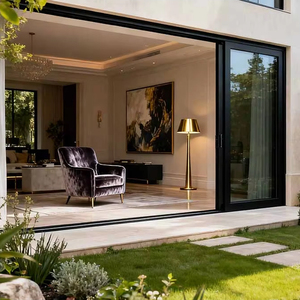
OUNA Canadian CSA Standard Heavy-Duty Energy Efficient Sliding Patio Windows
Contact Us
Basic Aluminum Sliding Window 60/80 Frame Double Glass Unit
Contact Us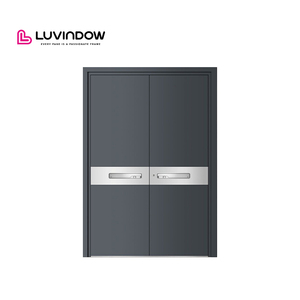
Premium Luxury Aluminum Villa Architectural Exterior Sliding Door
Contact Us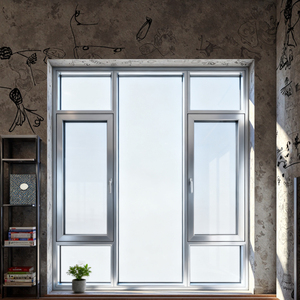
Modern Burglar-Proof Heat Insulation Aluminium Profile Window
Contact Us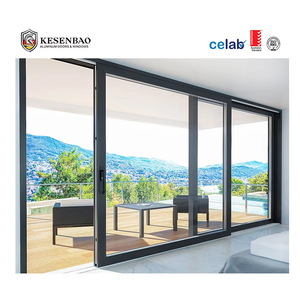
AS2047 Standard Balcony Aluminium Sliding Stacker Glass Window System
Contact Us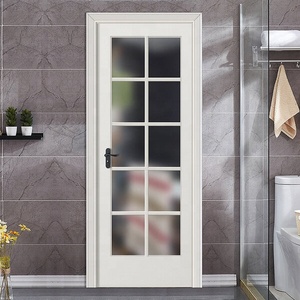
Aluminium Frame Privacy Glass Interior & Bathroom Sliding Window/Door
Contact Us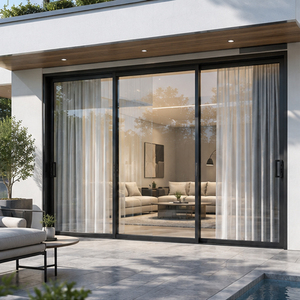
Custom Insulated Soundproof & Windproof Aluminium Sliding System
Contact Us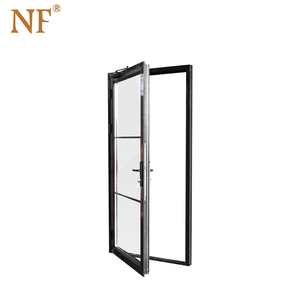
Heavy-Duty Double Leaf Fireproof Aluminium Architectural Joinery
Contact UsEngineering Excellence in OEM Aluminium Glass Sliding Window Sourcing
An authoritative guide to profile selection, thermal break technology, acoustical insulation, and international building code compliance for B2B procurement managers.
Executive Procurement Summary
Selecting a qualified custom OEM aluminium glass sliding window manufacturer requires evaluating more than just baseline profile costs. Modern fenestration engineering relies on structural alloy temper (6063-T5 vs. 6063-T6), polyamide thermal barriers (PA66-GF25), inert gas double-glazed sealed units (IGUs), and high-load stainless steel roller assemblies capable of sustaining over 300kg sash weights. SAGA Aluminum Doors & Windows Co., Ltd. operates a state-of-the-art manufacturing facility in Fujian, China, delivering factory-direct OEM/ODM solutions certified under Australian AGWA (AS2047/AS1288), North American NAFS, and Florida Miami-Dade hurricane impact mandates.
OEM Aluminium Sliding Window Engineering Specifications
Comprehensive technical parameters verified through laboratory testing and CNC precision manufacturing.
| Performance Parameter | Standard Non-Thermal Profile | Thermally Broken OEM Profile | Hurricane Impact Heavy-Duty |
|---|---|---|---|
| Alloy & Temper | Architectural Grade 6063-T5 | High-Tensile 6063-T6 / T5 | Structural Grade 6061-T6 / 6063-T6 |
| Profile Wall Thickness | 1.4mm – 1.6mm | 1.8mm – 2.2mm | 2.5mm – 3.0mm Reinforced |
| Thermal Insulation (U-Value) | U: 3.5 – 4.5 W/m²K | U: 1.4 – 2.2 W/m²K (PA66 Strip) | U: 1.6 – 2.4 W/m²K (Low-E IGU) |
| Acoustic Rating (STC/Rw) | Rw 25 – 30 dB | Rw 35 – 42 dB (Double Glazed) | Rw 40 – 48 dB (Laminated IGU) |
| Wind Load Resistance (Pa) | 1500 Pa – 2500 Pa | 3000 Pa – 4500 Pa (AS2047 N6) | 5000+ Pa (Miami-Dade TAS 202) |
| Water Penetration Resistance | 300 Pa | 450 Pa – 600 Pa | 700+ Pa Sub-Sill Pressure |
| Hardware Systems | Standard Crescent / Mortise | ROTO Frank / Siegenia / Kinlong | Multi-Point Stainless Steel Locks |
Future Procurement Trends for Aluminium Glass Sliding Windows
Anticipating regulatory changes, architectural shifts, and material advancements for the next decade of commercial fenestration.
1. Decarbonization & Recycled Extrusions
Global building codes, such as Australia's NCC 2022 H1 requirements and European EPBD mandates, prioritize low-carbon footprint aluminium. Future procurement demands primary billets manufactured using hydroelectric power or a minimum of 75% post-consumer recycled aluminium scrap, dramatically reducing embedded carbon without compromising yield strength.
2. Ultra-Slim Sightlines & Flush Tracks
Architectural preferences are converging on floor-to-ceiling glass expanses with concealed outer frames and zero-threshold barrier-free drainage tracks. OEM factories are moving toward structural structural-glazing adhesives and heavy-duty bottom-rolling stainless steel tandem rollers capable of supporting glass panels exceeding 4000mm in height.
3. Automated Motorization & IoT Integration
Commercial luxury developments increasingly specify motorized sliding window operators integrated with building management systems (BMS). Procurement trends favor factory-milled concealed wiring channels, smart actuator integration, rain-sensor automatic closure, and automated multi-point lock actuation operating via mobile protocols.
Key OEM Product & Manufacturing Innovations
How advanced manufacturing facilities are reshaping performance benchmarks for sliding glass systems.
Advanced Polyurethane & Polyamide Thermal Barriers
Traditional non-thermal aluminium profiles conduct heat rapidly. Modern OEM manufacturing incorporates 24mm to 34mm polyamide PA66-GF25 structural insulation strips inserted between internal and external aluminium extrusions. Combined with multi-cavity polyurethane foam filling, this thermal break technology reduces solar heat gain coefficient (SHGC) while achieving U-factors below 1.5 W/m²K, meeting passive house performance targets.
Hydro-Performance Sub-Sill & Pressure-Equalized Drainage
Water penetration under severe storm conditions remains a primary failure point for sliding windows. Next-generation factory engineering employs pressure-equalized sill cavities, stepped inline tracks, integrated sub-sill flanged flashings, and self-draining check valves. This ensures static water head pressure up to 700 Pa without internal water blowout.
Acoustic Laminated Double & Triple Glazing
Urban density demands sound isolation. Modern custom sliding windows utilize asymmetric insulated glass units (IGUs) incorporating acoustic PVB or SGP (SentryGlas®) interlayers (e.g., 6mm Toughened + 12mm Argon + 8.76mm Acoustic Laminated). This configuration dampens low-frequency traffic noise, achieving Sound Transmission Class (STC) ratings over 42 dB.
Coastal PVDF Fluorocarbon Surface Coatings
To resist salt-spray corrosion and high UV radiation in coastal marine environments, OEM extrusions undergo multi-stage pretreatments followed by AAMA 2605 compliant PVDF (polyvinylidene fluoride) fluorocarbon spray coating or 25-micron hard-anodizing. This prevents filiform corrosion, chalking, and color degradation over a 20+ year lifespan.
Why Partner with SAGA Aluminum Doors & Windows
16 years of direct factory export experience, rigorous quality assurance, and end-to-end engineering support.
AGWA & Global Audit Certified
Our manufacturing facility undergoes rigorous annual third-party audits by the Australian Glass and Window Association (AGWA). We deliver full verification certificates for AS2047:2014, AS1288:2021, NZS4211:2008, NAFS, and Miami-Dade TAS 201/202/203 testing standards.
End-to-End Shop Drawing Support
Before steel cutting begins, our in-house fenestration engineers produce detailed shop drawings, structural wind load calculations, elevation profiles, and connection section drawings. This guarantees flawless compatibility with client architectural plans and local council certifier requirements.
Export Packaging & Port Logistics
Located near Fuzhou and Xiamen shipping ports in Fujian, China, we utilize custom heavy-duty fumigated wooden crates, fully sealed corner protectors, and moisture-proof plastic wrapping. Every sash is barcoded for fast on-site identification and efficient container unloading.
Frequently Asked Procurement Questions (FAQ)
Essential technical and logistical answers for international importers, developers, and project engineers.
Ready to Request a Factory-Direct OEM Proposal?
Submit your architectural drawings, window schedules, or project specifications today. Our fenestration engineering team will deliver detailed shop drawings, thermal calculations, and competitive factory pricing within 24 hours.
Contact Us