Precision-Engineered Architectural Windows & Doors
Factory-direct custom aluminum fenestration engineered for residential real estate, high-end villa developments, and commercial construction projects worldwide.

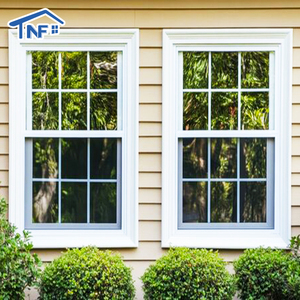
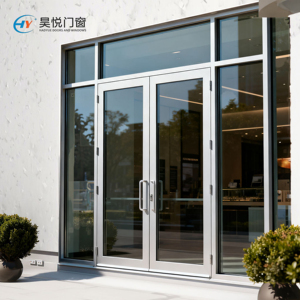
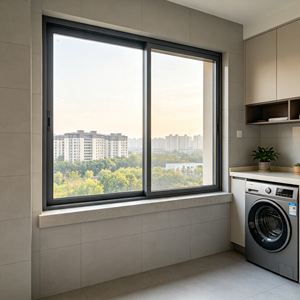
Industrial-Grade Custom OEM Aluminum Fenestration Architecture
In modern architectural engineering, the specification of exterior building envelopes demands an unprecedented balance between structural integrity, thermal efficiency, and aesthetic minimalism. As a premier Custom OEM Aluminum Door Manufacturer & Exporter, SAGA Aluminum Doors & Windows Co., Ltd. operates at the intersection of metallurgical precision and certified building code compliance. Our manufacturing facility in Minhou County, Fuzhou, Fujian, serves as a global hub for custom-fabricated extruded aluminum joinery, engineered specifically to satisfy strict regional compliance codes including Australia's NCC 2022 / AS2047, New Zealand's NZS4211, North America's NAFS, and Florida’s rigorous Miami-Dade hurricane impact standards.
OEM customization goes far beyond dimensional adjustments. Our engineering team conducts finite element structural analysis (FEA), thermal conductivity simulations (calculating U-values down to 1.1 W/m²K), and acoustic attenuation modeling (up to STC 45) before initiating CNC profile extrusion. By utilizing virgin 6063-T5 and high-tensile 6063-T6 aluminum alloys combined with imported German Polyamide (PA66-GF25) thermal barrier strips, we mitigate thermal bridging across extreme climate zones.
Substrate & Structural Performance Matrix
A detailed technical comparison of structural joinery options engineered for commercial developers, architects, and international importers.
| Performance Criteria | Thermally Broken 6063-T6 Aluminum | uPVC Multi-Chamber System | Aluminium-Timber Composite |
|---|---|---|---|
| Primary Application | High-rise commercial, luxury villas, extreme wind load zones | Passive houses, residential projects, cold noise-sensitive zones | Ultra-premium heritage & modern architectural residences |
| Thermal Transmittance (U-Value) | 1.2 – 1.8 W/m²K (with PA66-GF25 break) | 0.8 – 1.3 W/m²K (Passive House certified) | 1.0 – 1.4 W/m²K (Natural interior insulation) |
| Structural Wind Load (Pascal) | Up to 4500 Pa (Ultimate Limit State testing) | Up to 2400 Pa (Steel reinforced cavities) | Up to 3600 Pa (Rigid exterior alloy sheath) |
| Acoustic Attenuation (STC Rating) | STC 38 – 44 dB (Acoustic laminated glass) | STC 40 – 45 dB (Multi-chamber damping) | STC 39 – 43 dB (Solid wood acoustic absorption) |
| Surface Finish Standard | Fluorocarbon PVDF (AAMA 2605) / Anodized (AAMA 611) | UV-stabilized ASA co-extrusion / Renolit foil | Powder-coated exterior / Stained interior wood |
| Hardware Integration | Concealed German ROTO / Siegenia / Kinlong multi-point locks | ROTO Frank tilt-and-turn hardware systems | Heavy-duty 3D adjustable concealed hinges |
Future Procurement Trends in OEM Aluminum Joinery (2026–2030 Horizon)
Global procurement strategies for fenestration products are experiencing a massive paradigm shift. Importers, master distributors, and commercial contractors are moving away from standardized off-the-shelf inventory toward direct-from-factory OEM customization. Analyzing international construction forecasts reveals four pivotal trends shaping future procurement:
1. Carbon Border Compliance (CBAM & ESG)
International environmental regulations mandate full transparency in embodied carbon. Future procurement requires low-carbon primary aluminum billets extruded using clean hydro-electric power, complete with Environmental Product Declarations (EPD).
2. BIM & Digital Twin Integration
Architectural buyers no longer accept flat CAD files alone. Modern OEM procurement demands Revit BIM families (LOD 350+) containing embedded thermal performance parameters, structural dimensions, and lifecycle maintenance data for early clash detection.
3. Resilient Coastal Engineering
Accelerating climate volatility has elevated hurricane impact protection from a localized requirement (Florida/Caribbean) to a global procurement standard across coastal regions, requiring SGP (SentryGlas®) structural interlayers and high-pressure cyclic testing.
By establishing direct technical partnerships with an established OEM manufacturer like SAGA, developers eliminate multi-tiered distributor markups while securing verified engineering documentation, custom extrusion dies, and standardized Factory Acceptance Testing (FAT) reports prior to vessel embarkation.
Technological Development & Architectural Trends
How next-generation aluminum manufacturing is redefining space, light, and performance for modern architecture.
Ultra-Slim Sightlines & Concealed Frames
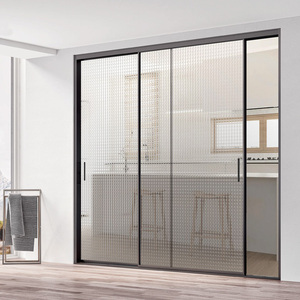
Architectural demand favors minimal visible metal profiles. Contemporary sliding door systems integrate sub-floor outer frames with interlocking mullions as narrow as 21mm, achieving over 98% glass surface ratio without compromising structural wind load ratings.
Heavy-Duty Lift-and-Slide Dynamics
Modern residential and hospitality designs incorporate massive floor-to-ceiling glass panels. Engineering advancements in stainless-steel tandem rollers and precision gearboxes now allow single sash panel weights up to 400kg to slide effortlessly with low operating force.
Zero-Threshold Flush Drainage Solutions
Seamless transition between indoors and outdoors is a major residential trend. OEM engineering incorporates underground concealed drainage channels with built-in stainless steel mesh screens to evacuate water rapidly under severe monsoon conditions (tested above 700 Pa water resistance).
Enterprise Competence & Quality Control Paradigm
With over 16 years of continuous specialized manufacturing, SAGA Aluminum Doors & Windows Co., Ltd. has developed an end-to-end quality assurance ecosystem that protects global buyers against structural failure, water ingress, and aesthetic degradation.
- Rigorous Testing Standard Audits: Certified compliance under the Australian Glass and Window Association (AGWA) program for AS2047:2014, AS1288:2021, and NCC 2022. New Zealand Building Code compliance verified for NZS4211:2008 across clauses B1, B2, E2, F2, G4, G7, and H1. North American NAFS test reports and Florida Miami-Dade hurricane impact approvals (TAS 201-94, TAS 202-94, TAS 203-94).
- Supply Chain Transparency & Brand Hardware: We co-partner with leading global hardware and profile component manufacturers including Veka, Rehau, Zhongcai, ROTO Frank, Siegenia Aubi, and Kinlong to ensure flawless mechanical operation over decades of daily use.
- Pre-Shipment Trial Assembly & FAT: Every custom order undergoes 100% pre-assembly factory acceptance testing. Our quality inspectors measure diagonal frame squareness tolerance (within ±1.5mm), check perimeter seal compression, verify corner joint crimping strength, and inspect surface coatings under high-intensity lighting.
- Export Logistics & Steel-Stillage Packing: Shipped directly from Fuzhou or Xiamen ports, all finished frames and double-glazed units are secured in custom steel stillages or heavy-duty sea-worthy plywood crates with corner edge protectors and shrink wrap to prevent transit damage.
Frequently Asked Questions for Importers & Contractors
Direct answers to technical, logistical, and commercial inquiries routinely handled by our engineering sales team.
Accelerate Your Fenestration Project Procurement
Submit your architectural drawings or window schedule today. Our engineering team will review your structural wind pressure, energy, and sizing requirements to deliver a factory-direct technical quote within 24 hours.