High-Performance Aluminum Exterior Joinery Catalog
Factory-direct custom windows and doors engineered for structural resilience, thermal efficiency, and architectural elegance across residential and commercial developments.
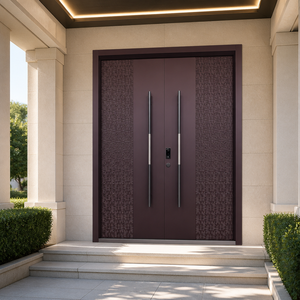
Custom Cast Aluminum Double Entry Door with Fret Relief Panel and Smart Lock for Penthouse Suite
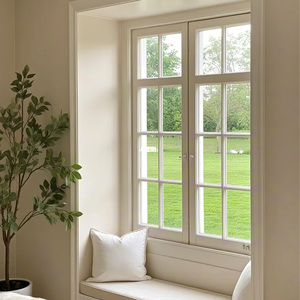
Customized Modern Stainless Steel French Window Soundproof Window for Kitchen and Living Room Aluminium Material for windows
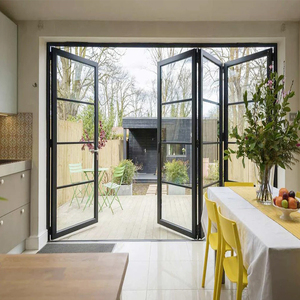
AS2047 Australian Modern Aluminum Folding Bi-Fold Door with Double Glazing Screen for Outdoor Garage & Patio Use
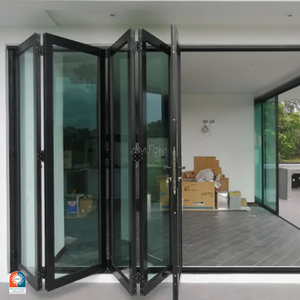
AMJ NFRC Grid Design Villa Waterproof Bi Fold Doors Aluminum Exterior Door Balcony Patio Lowe Glass Doors
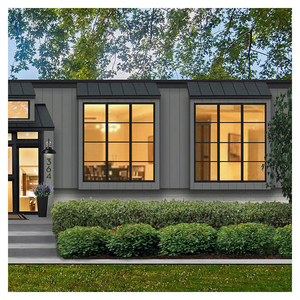
Hihaus New Custom Luxury Villas Black Crittall Aluminum Steel windows Fixed
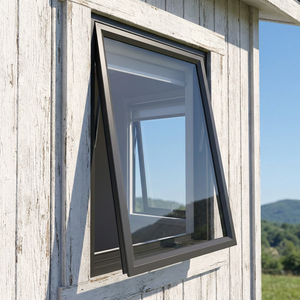
AS2047 Thermally Broken Aluminum Chain Winder Awning Windows Double Glazing Glass Black Windows for Houses
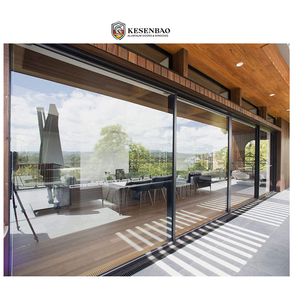
Wind Resistant Double Glazed Thermal Break Balcony Glass Patio Aluminum Sliding Doors for Houses
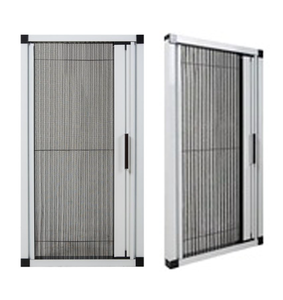
Anti Mosquito Bug Retractable Plisse Net Window Aluminum Alloy Frame Pleated Insect Screen Door Folding Sliding Screen Door
Why International Developers & Wholesalers Partner with SAGA
Bridging Chinese manufacturing scale with strict Western building codes (AS2047, NZS4211, NAFS, Miami-Dade).
16+ Years Manufacturing Heritage
Over a decade and a half of specialized production focused exclusively on export-grade extruded aluminum, thermally broken joinery, and hybrid wood-clad systems for 25+ global jurisdictions.
AGWA & International Audits
Annual independent third-party audits ensure our production lines comply with NCC 2022, AS2047:2014 structural wind loads, AS1288:2021 safety glass guidelines, and NFRC energy ratings.
Tailored Technical Drawings
Our engineering department yields detailed CAD/BIM shop drawings, section profiles, water-flashing integration plans, and installation guides customized for your specific certifier review.
Architectural Engineering: The Evolution of Aluminum Clad Exterior Doors
Aluminum clad exterior doors represent the pinnacle of modernfenestration engineering, delivering an optimal compromise between high-density structural weather-shielding and interior aesthetic warmth. For architectural specifiers, general contractors, and commercial importers, understanding the raw material composition, thermal isolation mechanisms, and mechanical bonding techniques is fundamental to avoiding field failures under harsh environmental exposure.
Extruded vs. Roll-Formed Aluminum Cladding: Technical Distinction
In high-end OEM production, the architectural longevity of an exterior door hinges primarily on the structural thickness of its exterior protective shell. Lower-tier manufacturers often employ thin roll-formed aluminum sheet (typically 0.6mm to 0.8mm thick). Under intense thermal expansion cycles, roll-formed cladding is prone to oil-canning, surface dimpling, and adhesive separation from the core structural substrate.
Conversely, premium OEM suppliers utilize heavy-gauge extruded aluminum cladding (6063-T5 or 6063-T6 aluminum alloy) featuring wall thicknesses ranging from 1.4mm to 2.5mm. Extruded aluminum shells provide inherent structural rigidity, superior impact resistance against hail or debris, and allow for precision mechanical corner alignment via crimped aluminum corner keys or argon arc welding. This structural exterior envelope functions as the primary rainscreen, isolating the load-bearing interior frame from atmospheric moisture, UV radiation, and environmental pollutants.
Thermal Break Technology: Polyamide Strut Isolation
Because raw aluminum exhibits high thermal conductivity (K ≈ 160-200 W/m·K), non-thermally broken exterior frames create substantial thermal bridges, inducing indoor condensation, frost accumulation, and HVAC energy loss. High-performance OEM/ODM aluminum clad doors solve this via multi-chambered Polyamide (PA66-GF25) thermal struts.
- Structural Material: PA66 reinforced with 25% glass fiber matches the coefficient of thermal expansion of structural aluminum, eliminating internal shear stress during temperature shifts.
- Thermal Separation: A minimum thermal break depth of 24mm to 34mm effectively lowers the overall door frame U-value down to ≤1.4 W/m²K (when paired with double Low-E argon insulated glass units).
- Air & Water Tightness: Triple EPDM (Ethylene Propylene Diene Monomer) continuous gasket seals combined with pressure-equalized drainage cavities prevent water ingress under extreme cyclonic pressure tests.
System Performance Matrix by Architectural Application
| System Type | Typical Frame Material | Target U-Value (W/m²K) | Max Wind Pressure (Pa) | Best Suited Application |
|---|---|---|---|---|
| Thermally Broken Aluminum Bifold | 6063-T6 Extruded Aluminum | 1.3 – 1.6 | Up to 3,000 Pa | Patio openings, multi-family outdoor entertaining spaces |
| Aluminum Clad Solid Timber Entry | Engineered Larch/Oak + Exterior Aluminum Shell | 0.9 – 1.2 | Up to 2,500 Pa | Luxury villas, luxury penthouse suites, cold climate entries |
| Lift & Slide Heavy-Duty Patio Door | Ultra-Wide Thermal Break Aluminum Profile | 1.1 – 1.4 | Up to 4,500 Pa | Coastal high-rise residences, oceanfront villas |
| Crittall-Style Slimline Steel/Aluminum | High-Tensile Cold-Rolled Steel / Micro Aluminum | 1.8 – 2.2 | Up to 1,800 Pa | Heritage conversions, urban loft interior/exterior partitions |
Future Procurement Trends in Global OEM/ODM Door Manufacturing
As global building codes pivot rapidly toward net-zero operational carbon targets, the international door procurement landscape is experiencing fundamental shifts. B2B buyers—including developers, volume builders, and fenestration distributors—must align their supply chain criteria with the following major trends:
1. Stringent Energy Efficiency Standards (Passivhaus & NCC 2022)
Regulatory frameworks such as Australia’s NCC 2022, New Zealand’s updated Clause H1, and Europe’s EPBD demand dramatically reduced thermal transmittance. Procurement inquiries are moving away from standard clear double glazing toward triple-glazed, argon-filled units featuring warm-edge composite spacers (e.g., Swisspacer) and soft-coat Low-E coatings (such as Solarban 60/70). Factory suppliers must offer verified NFRC or AGWA performance modeling data prior to shop drawing approval.
2. Consolidation of Building Envelope Sourcing
To optimize ocean freight container utilization and eliminate finish mismatch on site, developers increasingly demand single-source factory supply. Instead of procuring doors, windows, glass balustrades, and sunshades from disparate suppliers, procurement managers favor ODM partners capable of custom-colour matching (PVDF fluorocarbon or AkzoNobel powder coating) across exterior doors, awning windows, garage doors, and frameless glass pool railings.
3. Integration of Smart Lock Systems & Concealed Hardware
Modern luxury developments require seamless smart-home connectivity. OEM door factories must pre-engineer internal conduit runs, stainless steel multi-point lock mortises, and electronic strike preparations within aluminum profiles. Keyless access systems—including biometric fingerprint scanners, facial recognition hubs, and motorized automatic locking pins—are becoming standard OEM factory specifications for grand entry doors.
4. Enhanced Resistance to Severe Weather & Cyclonic Events
Coastal developments across North America, the Caribbean, and Northern Australia face increasing occurrences of severe storms. Sourcing trends show exponential demand for Miami-Dade County TAS 201/202/203 certified impact doors. These assemblies integrate heavy-gauge aluminum frames with DuPont SentryGlas (SGP) laminated interlayers, capable of enduring 9-pound 2x4 lumber impacts fired at 50 feet per second without structural envelope breach.
Frequently Asked Questions for Importers & Contractors
Direct answers to technical, logistical, and commercial inquiries routinely submitted to our engineering office.
Standard 7-Step OEM/ODM Cooperation Workflow
To eliminate miscommunication and guarantee on-site dimensional fit, every custom project adheres to a strict 7-stage quality control protocol:
Step 01: Plan Review
Analysis of architectural schedules, wind zones, and energy requirements.
Step 02: CAD Drawings
Issuance of detailed shop section drawings for certifier sign-off.
Step 03: Sample Check
Standard size profile/corner sample evaluation for finish approval.
Step 04: CNC Machining
Precision cutting, corner crimping, and thermal strip insertion.
Step 05: Glazing & Assembly
Dual-seal IGU installation with EPDM weather-stripping integration.
Step 06: Factory QC Audit
100% water spray testing, squareness calibration, and hardware checks.
Step 07: Crate Loading & Export
A-frame wooden crate packing, moisture barrier wrapping, and port shipping from Fuzhou or Xiamen.
Ready to Engineer Your Project's Door & Window Schedule?
Submit your architectural drawings, elevation plans, or quantity schedules today. Our engineering team returns fully compliant section proposals, thermal calculations, and factory-direct pricing within 24 business hours.