Featured Architectural Door & Window Series
Precision-engineered framing systems tested for hurricane impact, thermal insulation, acoustic sealing, and high-traffic commercial durability.
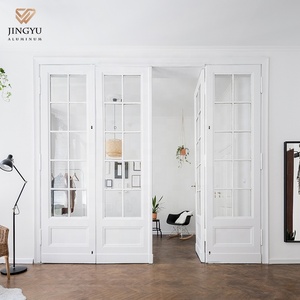
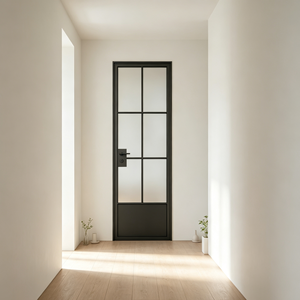
1. The Paradigm Shift: Engineering Aluminum Crittall Doors to Overcome Traditional Steel Limitations
For over a century, traditional steel Crittall doors set the aesthetic benchmark for industrial luxury, characterized by slim sightlines, modular rectangular grid patterns, and minimalist architectural profiles. However, legacy hot-rolled steel joinery poses severe technical challenges for modern building envelope design: high thermal conductivity leading to interior condensation, heavy mass requiring structural lintel reinforcement, vulnerability to atmospheric corrosion in coastal wind zones, and prohibitive custom fabrication costs.
As a leading OEM/ODM Aluminum Crittall Doors Factory & Exporter, SAGA has re-engineered this iconic aesthetic utilizing high-tensile extruded aluminum alloy 6063-T5/T6 combined with multi-chamber polyamide thermal break technology (PA66 GF25). By switching from hot-rolled steel to thermal aluminum extrusions, commercial developers, architects, and window importers achieve the identical slim visual sightlines of traditional steel joinery while dramatically upgrading thermal insulation values (U-factors down to 1.2 W/m²K), reducing frame deadload by up to 45%, and eliminating corrosion maintenance entirely.
Technical Benchmark: Steel Crittall vs. Architectural Thermal Aluminum Crittall
| Performance Criterion | Traditional Steel Crittall | SAGA Thermal Aluminum Crittall | Architectural Benefit & ROI |
|---|---|---|---|
| Thermal Transmittance (U-Value) | 3.5 – 5.2 W/m²K (Thermal Bridging Risk) | 1.2 – 1.8 W/m²K (PA66 Polyamide Break) | Complies with NCC 2022 & Title 24 Energy Codes |
| Frame Weight per m² | 45 kg – 65 kg / m² | 22 kg – 32 kg / m² | Lower structural load; smoother hardware operation |
| Corrosion Resistance Class | Low (Requires periodic painting/galvanizing) | Qualicoat Class 2 / Marine Anodized 25µm | Zero rust in C4/C5 coastal environments |
| Glass Thickness Capacity | Single Glazed / Thin Double (Max 18mm) | Double / Triple IGUs (Up to 38mm) | Superior acoustic STC 42dB & Low-E thermal performance |
| Sightline Width (Mullion Grid) | 20mm – 30mm | 18mm – 25mm (Ultra-Slim Architectural) | Maximizes natural light transmittance without compromise |
2. Structural Engineering & Custom OEM/ODM Fabrication Blueprint
SAGA operates an advanced OEM/ODM manufacturing facility equipped with multi-axis CNC machining centers, automated corner crimping stations, and specialized glass-handling lines. Our technical team works directly with global building material distributors, property developers, and facade contractors to transform CAD/BIM shop drawings into precision-machined door assemblies.
Key Engineering Subsystems of SAGA Aluminum Crittall Doors:
- Glazing Muntin Bar Technology (SDL vs. TDL): We offer both Simulated Divided Lites (SDL) with interior/exterior high-adhesion structural tape and internal spacer bars for optimal thermal efficiency, and True Divided Lites (TDL) engineered with mechanical interlocking aluminum mullions for heavy commercial applications.
- Structural Corner Connection: Corner joints are constructed using heavy-duty cast aluminum corner keys combined with dual-component anaerobic adhesive and mechanical crimping, guaranteeing frame squareness and structural integrity under dynamic wind loads up to 4500 Pa.
- Concealed Hardware Integration: SAGA integrates high-weight-capacity multi-point locking systems from premium partners (ROTO, SIEGENIA, KINLONG). Options include concealed 3D-adjustable flag hinges, heavy-duty floor pivots with hydraulic self-closing control, and ultra-quiet soft-close sliding tracks.
- Custom Powder Coating & Surface Finishes: All profiles undergo 12-stage pre-treatment, including chromate-free conversion coating, followed by architectural PPG or AkzoNobel powder application, achieving UV-resistant matte black, bronze, textured iron, or natural timber-grain finishes.
3. Emerging Development Trends in the Global Aluminum Crittall Market (2025–2030)
Understanding macro industry shifts is vital for B2B importers, builders, and developers seeking long-term competitive advantages. SAGA’s R&D department continuously tracks global fenestration trends to engineer next-generation door systems.
Ultra-Slim Sightlines & Concealed Frames
Market demand is leaning heavily toward concealed outer frames embedded within interior plaster work, leaving only 18mm slim interlocking mullions visible to deliver pure spatial continuity.
Smart Glass & Electrochromic Integration
Commercial office partitions and luxury residential bathrooms are increasingly combining Crittall aluminum grid frames with switchable PDLC smart glass, changing instantly from crystal clear to opaque privacy.
Low-Carbon Recycled Aluminum billets
ESG procurement mandates across North America, Europe, and Australia demand certified low-carbon aluminum extruded using renewable hydropower, cutting embodied carbon emissions by up to 60%.
Global Procurement Strategies for Volume Importers & Contractors
Sourcing custom fenestration products internationally requires strict risk mitigation around logistics, sizing accuracy, and local code compliance. SAGA implements a structured procurement blueprint tailored for B2B trade partners:
- Phase 1: Architectural Drawing Review & Shop Drawing Approval: Before production starts, SAGA's engineering team generates 2D cross-section and 3D elevation drawings, defining all wall anchor locations, sill pan flashings, glass specifiers, and hardware clearances.
- Phase 2: Mock-up & Physical Sample Testing: For multi-unit residential projects or commercial developments, we fabricate full-scale sample units for field testing, mock-up review, and certifier approval.
- Phase 3: Automated Precision Manufacturing: Profiles are processed on multi-axis CNC machines to guarantee tolerances within ±0.5mm, critical for seamless steel-look grid alignment across large multi-panel openings.
- Phase 4: Heavy-Duty Export Packaging: All glass doors are packed in fully enclosed, IPPC-certified fumigated plywood crates with foam corner protectors and vacuum-sealed plastic wrap to withstand ocean container transport and rough job site handling.
Why Global Builders & Distributors Partner with SAGA
SAGA Aluminum Doors & Windows Co., Ltd. combines 16+ years of specialized manufacturing experience with international compliance accreditations, giving global buyers direct factory pricing without quality compromise.
AGWA & AS2047 Audited Factory
Audited under the AGWA program for Australian Standards AS2047:2014, AS1288:2021, and NCC 2022 energy performance compliance.
Miami-Dade & NAFS Certified
Tested for severe weather zones under Miami-Dade TAS 201/202/203 missile impact standards and North American NAFS requirements.
Strategic Port Logistics
Direct container loading from Fuzhou and Xiamen sea ports, ensuring reliable vessel scheduling and optimized freight costs.
10-Year Structural Guarantee
Backed by strict 100% pre-shipment quality control, factory dimensional verification, and clear warranty backing.
4. Frequently Asked Questions (FAQ) for OEM/ODM Buyers
Key technical and commercial inquiries answered by SAGA's senior door and window engineering team: