Architectural Aluminum Sliding Doors & Integrated Window Systems
Precision-engineered extrusions, thermally broken profiles, and custom architectural glass assemblies manufactured to international standards.
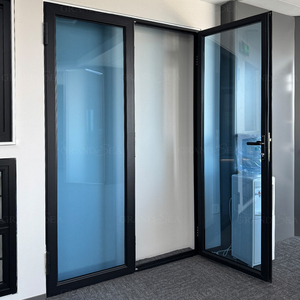
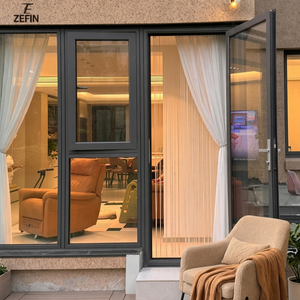
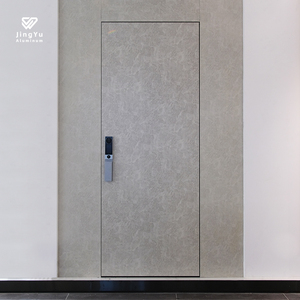
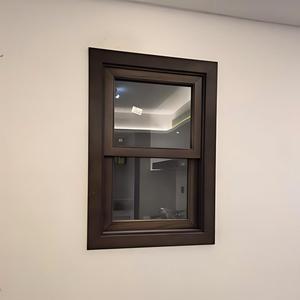
The Architecture of Modern OEM/ODM Aluminum Sliding Door & Window Systems
Analyzing Semantic Intent, Structural Requirements, and Thermal Efficiency Standards in Global Construction
In contemporary architectural engineering, the specification of OEM/ODM aluminum sliding doors with integrated windows has transitioned from standard fenestration sourcing to a highly technical, performance-driven procurement process. Commercial builders, developers, and architects no longer view doors and windows merely as spatial dividers or natural light apertures; they are evaluated as critical building envelope components responsible for structural integrity, energy balance, acoustic attenuation, and storm protection.
Aluminum profile technology has undergone a paradigm shift. Utilizing high-tensile 6063-T5 and T6 structural aluminum alloys, modern sliding door assemblies combine ultra-narrow sightlines with massive load-bearing capacities. However, raw strength alone is insufficient. Global energy codes—such as the NCC 2022 in Australia, NZS4211 in New Zealand, NAFS in North America, and Florida's Miami-Dade High-Velocity Hurricane Zone (HVHZ) requirements—mandate sophisticated thermal break technology and multi-chambered polyamide insulation profiles.
Thermal Efficiency & U-Values
Integration of PA66-GF25 polyamide thermal struts reduces overall frame conductivity, achieving overall system U-factors as low as 1.2 W/m²K when combined with warm-edge Low-E insulated glass units (IGUs).
Structural Wind Pressure
Engineered to withstand extreme cyclic wind forces exceeding 4500 Pa (Serviceability Limit State) and ultimate structural loads, fulfilling Miami-Dade TAS 201/202/203 missile impact requirements.
Acoustic Attenuation
Multi-layered EPDM gaskets combined with asymmetrical double or triple acoustic laminated glass configurations achieve sound reduction indices up to STC 45 dB, isolating interior spaces from urban noise.
Future Procurement & Technological Trends (2026–2030)
Key Innovations Shaping Global Supply Chains for Commercial and Residential Joinery
As the international building sector moves toward Net-Zero Energy Buildings (NZEB) and resilient coastal infrastructure, B2B buyers must align their procurement strategies with emerging manufacturing technologies. SAGA Aluminum Doors & Windows closely tracks five core trends driving the OEM/ODM landscape:
1. Minimalist Profiles with Concealed Hardware
Architects are increasingly demanding slimline interlock sightlines (down to 20mm visible width) that maximize glass area without compromising wind load deflection ratios. Modern OEM lines utilize structural bonding adhesives and embedded multi-point locking tracks that hide hardware elements within the frame perimeter.
2. High-Performance Surface Finishes for Harsh Environments
Standard powder coating is giving way to Fluorocarbon PVDF (AAMA 2605 standard) coatings and heavy-duty anodizing (25+ microns). These surface treatments resist UV degradation, chalking, and saltwater corrosion in severe coastal and tropical marine environments.
3. Prefabricated Modular Integration
To cut expensive jobsite labor costs, developers favor factory-pre-assembled door-and-window combination units. Sub-framing systems, flashing fins, and integrated nail tees are pre-engineered into the profile system for immediate drop-in site installation.
4. Smart Home Security & Automation Integration
ODM manufacturing now incorporates motorized lift-and-slide mechanisms, magnetic levitation tracks, hidden electronic sensors, and biometric access controls that integrate seamlessly into standard smart home automation networks.
5. Circular Supply Chains & Low-Carbon Aluminum
Environmental Product Declarations (EPD) are becoming mandatory in Western tenders. Leading factories utilize recycled aluminum billet stock processed using hydro-electric power to drastically lower the embodied carbon footprint of fenestration products.
Deep Technical Engineering Matrix: OEM vs ODM Sourcing
Comprehensive Performance Parameters for Architects, Estimators, and General Contractors
Understanding the exact material breakdown is critical when issuing Request for Quotation (RFQ) documents to overseas factories. Below is the technical specification framework engineered into SAGA's OEM/ODM aluminum sliding door and window systems:
| Performance Parameter | Standard Residential Spec | Commercial High-Rise Spec | Hurricane Impact / Extreme Spec |
|---|---|---|---|
| Primary Frame Alloy | 6063-T5 Aluminum Profile | 6063-T6 / 6005A-T6 Alloy | Heavy-Gauge Reinforced 6063-T6 |
| Profile Wall Thickness | 1.4 mm – 2.0 mm | 2.0 mm – 3.0 mm | 3.0 mm – 4.5 mm (Reinforced) |
| Thermal Break System | 14.8 mm Polyamide PA66-GF25 | 24 mm – 34 mm Low-K Strut | Multi-Chambered Insulating Core |
| Glass Configuration | 5mm + 12Ar + 5mm Low-E Toughened | 6mm + 16Ar + 6mm Triple Glazed | 6mm Toughened + 1.52PVB + 6mm Laminated |
| Wind Pressure Resistance | 1500 Pa – 2500 Pa (N3/N4) | 3500 Pa – 4500 Pa (C2/C3) | > 6000 Pa (Miami-Dade HVHZ) |
| Water Penetration Class | 300 Pa – 450 Pa | 600 Pa – 900 Pa | 1000+ Pa (Sub-Sill Drainage) |
| Hardware & Rollers | Custom SAGA Stainless Hardware | German ROTO / Siegenia Heavy Roller | CME / Kinlong Impact Rated Gear |
| Air Infiltration Standard | AS2047 / NAFS Level 30 | AS2047 / NZS4211 Commercial | Miami-Dade TAS 202 Airtight Seal |
Engineering Note: All sliding assemblies can be configured with custom sub-head/sub-sill setups, integrated winders, trickle ventilators, wire mesh flyscreens, or stainless-steel security mesh (304/316 grade) depending on local code compliance requirements.
Enterprise Advantages & Global Compliance Framework
Why Global Wholesalers, Builders, and Architects Trust SAGA Aluminum Doors & Windows
Factory Direct Capability & Quality Control
Operating from our modern manufacturing base in the Tieling Technical and Economic Development Zone (Fuzhou, Fujian), SAGA offers complete factory-direct oversight. With 16+ years of specialized export experience, we operate dedicated CNC milling centers, corner crimping automated rigs, double-glazing lines, and pre-shipment dry-fit testing stations.
Every custom sliding door and window assembly undergoes rigorous 100% pre-delivery inspection—verifying squareness, gasket tension, drainage clearance, and hardware operation prior to protective wooden crate packaging.

Verified International Standards & Test Certificates

AGWA Accredited (Australia)
Audited for AS2047:2014, AS1288:2021 glass safety, and NCC 2022 energy compliance.

NZS4211 (New Zealand)
Verified for Building Code clauses B1 structure, E2 moisture control, and H1 energy efficiency.

NAFS Standard (USA/Canada)
Tested for air filtration, water resistance, forced entry, and structural uniform loading.
Miami-Dade Impact
Compliant with TAS 201, 202, and 203 cyclic wind pressure and large missile impact testing.
Frequently Asked Questions (FAQ) for Importers & Specifiers
Direct Insights from SAGA's Technical Engineering & Export Logistics Team
Ready to Build Your Custom OEM/ODM Order?
Submit your architectural drawings or project schedule today. Our senior fenestration engineers will provide shop drawings, technical compliance reviews, and competitive factory-direct pricing within 24 hours.
Inquire Now