High-Performance Architectural Doors & Joinery
Explore custom aluminium, thermally broken, and composite door systems manufactured to rigorous international standards.
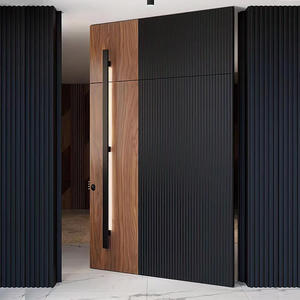
Double Door Villa Gate Cast Aluminum Central Axis Entrance Broken Bridge System Wood Grain Split Glass Eccentric Axis Pivot Door
Get Catalog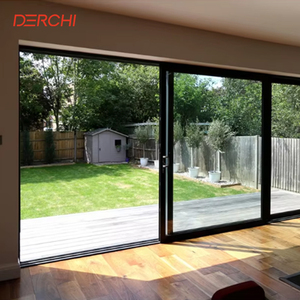
Residential House Sliding Panoramic Tempered Lowe Glass Door Sliding Metal Door Aluminium Glass Patio Aluminum Sliding Doors
Get Catalog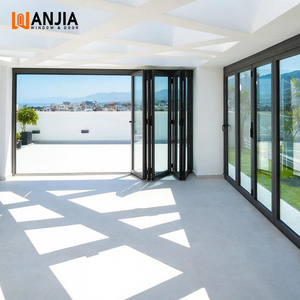
Heavy Duty Coastal Glass Commercial Doors Folding Glass Door Thermal Breaking Glass Bifold Doors
Get Catalog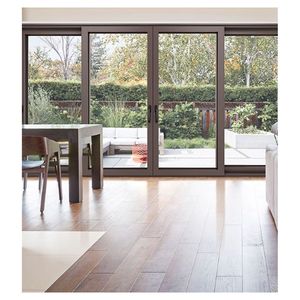
Outdoor Weatherproof Aluminum Door Stable Structure Aluminum Door for Garden
Get Catalog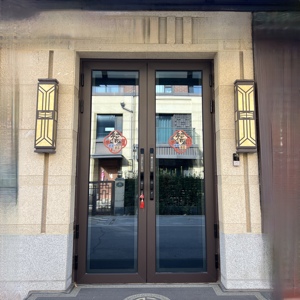
Customized Modern Minimalist Waterproof Kitchen Indoor Divider Entry French Aluminum Casement Swing Glass Door Double Tempered
Get Catalog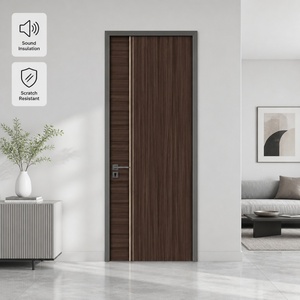
Custom Aluminum Clad Wood Doors Waterproof Fireproof and Soundproof with Composite Panel for Showroom Restaurant and Home
Get Catalog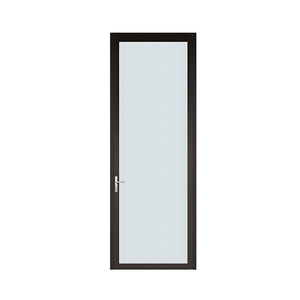
Single Aluminum Door for Modern Interior & Garden Use Three Layer Laminated Safety Glass Energy-Saving Windproof
Get Catalog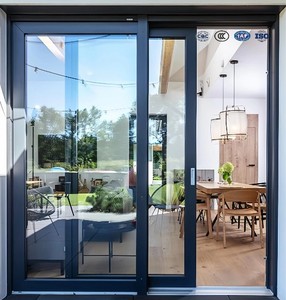
Modern Aluminum Alloy Sliding Windows And Doors With Tempered Glass Soundproof Exterior Use
Get CatalogExecutive Summary: The Evolution of Aluminium Fire Door Systems
Modern commercial architecture is undergoing a paradigm shift. Traditional fire doors constructed from hollow metal steel or solid timber cores often fail to satisfy modern aesthetic demands for ultra-slim sightlines, high thermal performance, and natural daylight penetration. The architectural fenestration industry has solved this friction through the engineering of thermally broken aluminium fire doors integrated with high-density ceramic insulation cores and fire-resistant intumescent seals.
Aluminium fire-rated doors are no longer merely life-safety code requirements; they are critical components of a building’s overall thermal envelope, structural fire compartmentation, and architectural expression. Operating under international standards such as BS 476 Part 22, EN 1634-1, UL 10C, AS 1905.1, and NFPA 252, top-tier factories utilize modified 6063-T6 or 6060-T66 aluminium profile extrusions equipped with composite insulated cores that maintain structural integrity even when exposed to thermal loads exceeding 1000°C.
Comparative Analysis: Top 10 Aluminium Fire Doors Factories & Suppliers
Selecting an OEM/ODM manufacturing partner for commercial fire door joinery requires evaluating compliance records, extrusion capabilities, hardware integration, and QA protocols. Below is a structured benchmark of the leading global manufacturers dominating the premium commercial and residential fire door sectors in 2026.
| Manufacturer / Supplier | Primary HQ | Core Fire Ratings | Key Testing & Certifications | Primary Strengths & Market Fit |
|---|---|---|---|---|
| SAGA Doors & Windows | China (Fujian) | FD30, FD60, FD90, FD120 | AGWA, AS2047, AS1288, NZS4211, NAFS, Miami-Dade | Factory-direct customization, rapid CAD/BIM support, complete building envelope sourcing. |
| Schüco International | Germany | EI30, EI60, EI90 | EN 1634, DIN 4102, CE Mark | High-end European commercial facades, extreme thermal performance, minimalist profile profiles. |
| Jansen Building Systems | Switzerland | E30 - EI120 | EN 1634, BS 476, ISO 9001 | Specialist steel & heavy-duty aluminium profile systems, heritage renovation expertise. |
| Forster Profilsysteme | Switzerland | EI30 - EI90 | UL Listed, EN 1363, EN 1634 | 100% recyclable profile systems, robust smoke protection (S200 rating), panic exit integration. |
| Reynaers Aluminium | Belgium | EI30, EI60 | EN 1364, EN 1634, Qualicoat | Architectural glass walls, extensive color powder-coating finishes, European design aesthetics. |
| Aluk Group | Luxembourg / Global | FD30, FD60 | BS 476, EN 1634, CWCT | Commercial office partitions, modular structural glazing, high acoustic insulation. |
| YKK AP Inc. | Japan / USA | 20 to 90 Mins | UL 10C, NFPA 252, ASTM E119 | High-volume standardized commercial storefronts, heavy commercial hardware options. |
| Kawneer (Arconic) | United States | 20 to 45 Mins | UL Listed, NAFS, Miami-Dade TAS | North American commercial building code compliance, heavy blast and fire resistance. |
| Capaul AG | Switzerland | EI30 - EI60 | VKF, EN Standard Compliance | Custom luxury entry doors, embedded electronic access control, interior acoustic fire barriers. |
| Alumil Aluminium | Greece | EI30, EI60 | IFT Rosenheim, EN 1634 | Cost-effective European profile systems, wide sliding and hinged fire doors for hospitality. |
Core Technical Mechanics of Aluminium Fire Rated Joinery
How does aluminium—a metal with a melting point of approximately 660°C—achieve 60, 90, or 120-minute structural fire endurance under ISO 834 standard fire curve conditions? The secret lies in advanced internal thermal barrier engineering:
Intumescent Core Expansion
Under heat exposure exceeding 180°C, concealed intumescent graphite strips expand up to 25 times their original volume, sealing frame voids and preventing heat, smoke, and toxic gas egress.
Hydrated Silicate Infill
The internal aluminum profile chambers are factory-filled with high-density ceramic fiber inserts and hydrated calcium silicate boards, absorbing thermal energy via endothermic chemical reaction.
Intumescent Fire Glass (EI Class)
Multi-laminated glass panes bonded with transparent fire-reactive gel interlayers. When exposed to fire, the interlayers turn opaque, forming an insulating heat shield against radiant heat.
Future Sourcing & Manufacturing Trends (2026–2030)
Importers, developers, and principal contractors must realign their procurement strategies to capture emerging regulatory shifts and manufacturing innovations. Key trends reshaping the global fire door supply chain include:
- Convergence of Fire and Hurricane Standards: Coastal jurisdictions in Australia, North America, and the Caribbean increasingly demand single door assemblies that pass both Miami-Dade TAS 201/203 large missile impact tests and UL 10C positive pressure fire testing.
- BIM-Integrated Offsite Manufacturing: Leading Chinese manufacturers like SAGA provide exact 3D Revit models and CAD shop drawings prior to extrusion, reducing on-site installation variance to sub-millimeter tolerances.
- Low-Carbon Recycled Aluminum Extrusions: Driven by EU CBAM and green building standards (LEED / BREEAM), suppliers are shifting to hydro-powered primary aluminum billets with recycled content exceeding 75%.
- Concealed Hardware & Smart Access Integration: Modern commercial requirements favor multi-point automatic drop seals, concealed overhead door closers, and electromagnetic hold-open devices tied directly into the building safety management system (BMS).
SAGA Advantage: Engineered Quality & Supply Chain Resilience
As a specialized factory-direct manufacturer, SAGA Aluminum Doors & Windows Co., Ltd. bridges the gap between high European technical engineering standards and competitive Chinese manufacturing scalability. With over 16 years of export expertise across 25+ countries, SAGA operates as a trusted manufacturing arm for overseas builders, wholesalers, and architectural firms.
Audited International Compliance
Our fenestration and door systems are fully tested and certified under AGWA programs for Australian Standards (AS2047:2014, AS1288:2021, NCC 2022), NZS4211:2008, NAFS, and Miami-Dade TAS standards.
Custom CAD & Engineering Support
Every commercial quote includes fully detailed section drawings, glass stress analysis, structural wind-load sizing, and installation detail drawings designed for immediate sign-off by certifiers.
Flexible Logistics & Crate Packaging
Direct ocean shipments loaded from Fuzhou or Xiamen ports. Products are packed in reinforced steel-frame crates to prevent transit damage, guaranteeing site-ready delivery.
10-Year Comprehensive Warranty
We stand behind our extrusions, powder coating finishes (Qualicoat standard), thermal break bonds, and sealed glazing units with a solid 10-year manufacturer backed guarantee.
Frequently Asked Questions (FAQ) for Global Buyers & Specifiers
Insulation (EI Classification): Measures both integrity AND thermal insulation. It guarantees that the average temperature on the unexposed surface of the door does not rise by more than 140°C above ambient, preventing combustible materials near the door from auto-igniting.
Need Technical Specs or CAD Drawings for Your Fire Door Project?
Talk directly with SAGA’s window and door structural engineers. Get customized shop drawings, compliance reports, and direct factory quotation within 24 hours.