Explore our certified, factory-direct fenestration portfolio engineered for extreme climate performance, structural rigidity, and compliance with AS2047, NZS4211, NAFS, and Miami-Dade hurricane standards.
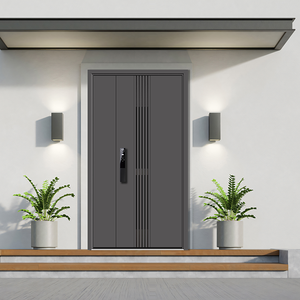
Aluminum Door High Quality Exterior Aluminum Front Door Security Anti Theft for Home
Heavy-duty 6063-T6 aluminum profile, multi-point lock core, anti-pry structure.
Get a Quote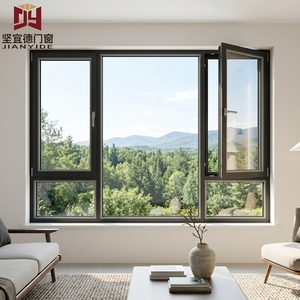
Aluminum Alloy Casement Windows With Thermal Break Double Glazed Soundproof Windproof Features European Style
PA66 polyamide thermal barrier, double tempered IGU glass, multi-layer EPDM seals.
Get a Quote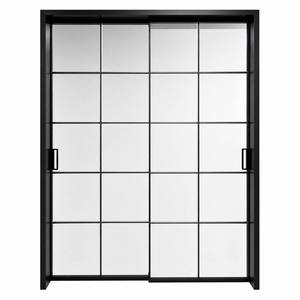
Customized Designs Black Aluminum Alloy Crittall Style Sliding Glass Door with 2x5 Grid Panels for Industrial Interior Partition
Ultra-slim sightline frame, heavy-duty silent bottom rollers, industrial aesthetic grid.
Get a Quote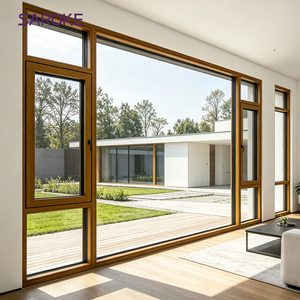
Premium Wood Grain Finish Aluminum Clad Wood Casement Windows For Timber Cladding Houses
Interior natural timber aesthetic coupled with weather-resistant exterior powder-coated aluminum.
Get a Quote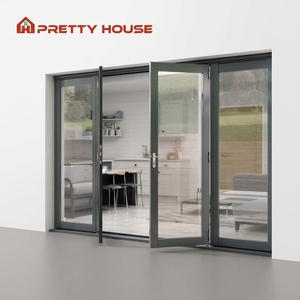
Security Anti Theft French Swing Front Door Soundproof Double Tempered Glass Aluminum Alloy Entry Doors
Double tempered acoustic glass, reinforced structural hinge hardware, premium security hardware.
Get a Quote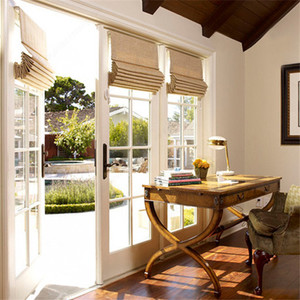
Manufacturer Wholesale of Popular High-quality Stable Sliding Folding Doors and Aluminium Glass Casement Doors
Heavy-load top-hung or bottom-rolling track configurations for seamless indoor-outdoor transition.
Get a Quote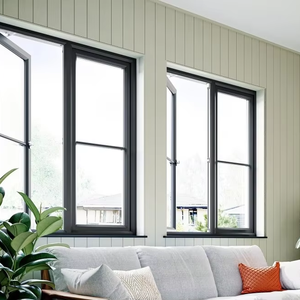
Prima High End Powder Coated Anthracite Grey Aluminium Casement Window for Modern Luxury Home
AAMA 2604/2605 compliant finish, high U-value performance, custom multi-locking window hardware.
Get a Quote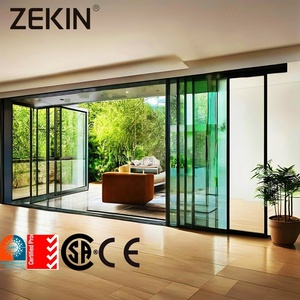
Customized Sliding Door NFRC AS2047 Certification Double Glass Balcony Patio Aluminum Sliding Door
Fully accredited to AS2047/AS1288 & NFRC testing. Engineered for high wind load and water tightness.
Get a QuoteIn contemporary architectural engineering, the integration of aluminium sliding doors with matching windows represents a fundamental shift in building envelope design. Global developers, commercial contractors, and architectural firms no longer treat doors and windows as isolated components; rather, they view them as a unified, high-performance façade subsystem responsible for structural stability, solar heat gain management, acoustic isolation, and energy efficiency.
Choosing a top-tier manufacturer and exporter requires understanding both macro-industry trends and granular metallurgical and fenestration physics. As global building codes tighten—exemplified by the Australian National Construction Code (NCC 2022), New Zealand Building Code (NZS4211), North American NAFS standards, and Florida’s strict Miami-Dade High-Velocity Hurricane Zone (HVHZ) regulations—importers must partner with suppliers who possess rigorous laboratory verification and deep manufacturing authority.
When evaluating suppliers, structural deflection thresholds (such as L/175 or L/240), thermal break insulation material (PA66 GF25 nylon vs PVC inserts), and anodizing/powder-coating thickness (AAMA 2604/2605) dictate long-term project liability far more than initial unit cost.
To satisfy site inspectors, certifiers, and structural engineers in major import markets, aluminium sliding doors and window assemblies must pass stringent laboratory testing. The following matrix outlines the regulatory benchmarks that certified export manufacturers like SAGA fulfill across primary global destinations.
| Destination Region | Governing Standard | Critical Performance Criteria Verified | Recommended System Configuration |
|---|---|---|---|
| Australia | AS2047:2014 / AS1288:2021 / NCC 2022 | Structural deflection (DP ratings), water penetration resistance (Pa), air infiltration limit, human impact glass safety. | Thermally broken aluminium sliding doors with double IGU Low-E glass, heavy-duty sub-head/sub-sill drainage. |
| New Zealand | NZS4211:2008 / NZBC Clauses B1, E2, H1 | Extreme climate moisture management (E2), thermal insulation performance (H1 clause updates), structural wind loading. | High-U-value thermal break profiles, argon-filled double glazing, multi-chambered EPDM gasket weather-stripping. |
| North America (US & Canada) | NAFS (AAMA/WDMA/CSA 101/I.S.2/A440) | Uniform static air pressure, water resistance thresholds, forced-entry resistance, vertical sash overload testing. | Commercial-grade heavy profile extrusion, multi-point tandem roller tracking, stainless steel hardware. |
| Florida & Caribbean | Miami-Dade TAS 201 / 202 / 203 (HVHZ) | Large and small missile impact resistance, cyclic wind pressure loading up to +/- 100 PSF, wind-borne debris protection. | Heavy structural aluminium extrusions with PVB/SGP laminated hurricane impact safety glass, reinforced interlocking stiles. |
When procuring aluminium sliding doors integrated with window systems at commercial scale, procurement officers and structural engineers should evaluate prospective manufacturing partners using the following ten technical criteria:
Ensure profiles utilize premium primary ingot 6063-T5 or T6 grade aluminium alloy. T6 tempers provide elevated yield strength necessary for tall span sliding panels subject to high wind pressures.
Look for Polyamide (PA66 GF25) thermal insulation bars containing 25% glass fiber. Avoid inferior PVC thermal strips that degrade under severe UV exposure and thermal expansion stress.
Specify dual-sealed IGU units featuring warm-edge spacers, Low-E pyrolytic or magnetron coatings, and inert argon gas fill to minimize U-Factors and Solar Heat Gain Coefficients (SHGC).
Sliding panels exceeding 200kg demand precision-engineered stainless steel tandem rollers, heavy-gauge tracks, and multi-point German hardware (such as ROTO or Siegenia) to prevent sagging.
Integrated sub-sill channels, concealed drainage flap valves, and continuous vulcanized EPDM gasket seals guarantee superior water resistance under driving rains.
Verify fluorocarbon (PVDF) or architectural powder coatings compliant with AAMA 2604/2605. Coastal developments require fluorocarbon finishes exceeding 40 microns for anti-corrosion endurance.
For urban noise reduction, select acoustic asymmetric double glazing combined with sound-dampening acoustic PVB interlayers, achieving Sound Transmission Class (STC) ratings above 38 dB.
Engineered interlocking stiles must restrict structural deflection to less than L/175 for standard openings and L/240 for high-rise or cyclone-prone elevations.
Automated multi-axis CNC corner crimping and milling eliminate human assembly variance, ensuring air-tight corner joint sealants and exact installation squareness.
Insist on annual factory audits backed by international credentials, such as AGWA program compliance, NFRC energy ratings, and Intertek structural test reports.
As global construction trends pivot toward smart infrastructure, carbon neutrality, and climate resilience, B2B procurement strategies are undergoing structural shifts. Understanding these emerging dynamics allows developers and window distributors to future-proof their supply chains.
Modern luxury residential and commercial high-rises increasingly demand ultra-narrow interlock profiles (under 20mm visible width) without sacrificing structural load capability. This trend relies on structural silicone glazing technology, transferring wind load directly from the glass panel to hidden aluminium extrusions.
Driven by European Union carbon adjustment mechanisms and green building ratings (LEED, BREEAM, Green Star), major buyers prioritize manufacturers using hydro-powered low-carbon aluminium ingot and recycled scrap billets (exceeding 75% recycled content) to curb embodied carbon.
The integration of heavy-duty motorized actuators linked to smart home automation systems (IoT) is moving from niche luxury to standard specification. Large-scale lift-and-slide doors now feature concealed electric drives, obstacle-detection safety sensors, and integrated automated trickle ventilation.
Increasing storm severity globally is accelerating adoption of hurricane-impact-rated fenestration outside traditional cyclone belts. Importers in coastal Europe, North America, and Australasia are upgrading structural specifications to include laminated shatter-resistant interlayers (such as Kuraray SentryGlas®) for standard residential builds.
SAGA ensures a transparent, highly controlled manufacturing journey from initial shop drawing approval to direct sea-freight vessel loading.
With over 16 years of dedicated manufacturing excellence, SAGA Aluminum Doors & Windows Co., Ltd. stands as a premier factory-direct manufacturer and global exporter of high-performance architectural joining systems. Located in the Tieling Technical and Economic Development Zone, Fuzhou, Fujian, China, our state-of-the-art facility specializes in custom aluminium, uPVC, and aluminium-timber composite systems.
Our export products are independently audited under the AGWA program for Australian AS2047 and AS1288 standards, certified for New Zealand NZS4211 compliance, tested to North American NAFS requirements, and verified under Miami-Dade TAS 201/202/203 for hurricane impact resilience.
We collaborate exclusively with world-renowned hardware and profile partners including German ROTO, Siegenia-Aubi, Veka, Rehau, Zhongcai, and Kinlong, guaranteeing smooth operational longevity and effortless replacement part sourcing worldwide.
Every custom order is backed by our comprehensive 10-Year Quality Guarantee. We provide detailed installation shop drawings, section profiles, and engineering consultation to support builders, architects, and dealers across 25+ countries.
Direct answers to common technical, logistics, and compliance inquiries raised by international window importers and project contractors.
Ready to Elevate Your Architectural Project?
Send us your architectural drawings, window schedules, or project specifications today. Our engineering team will review your requirements and provide a fully detailed quotation within 24 hours.
Get a Quote