Architectural Glass & Aluminum Door Systems
Tested and certified to international standards including AS2047, NZS4211, NAFS, and Miami-Dade TAS impact benchmarks.
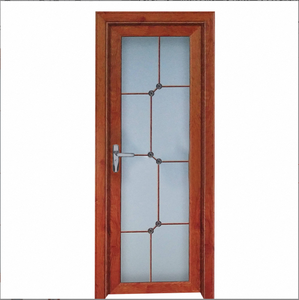
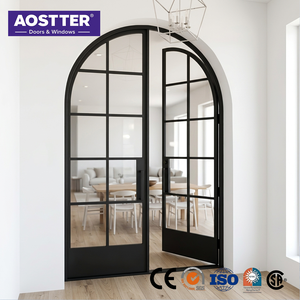
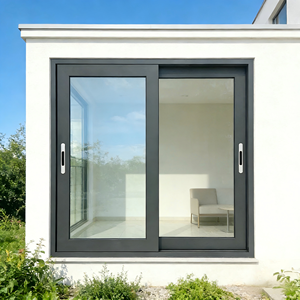
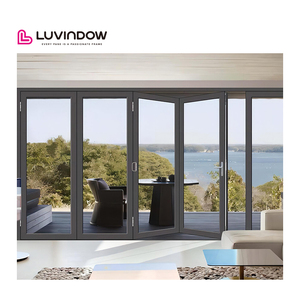
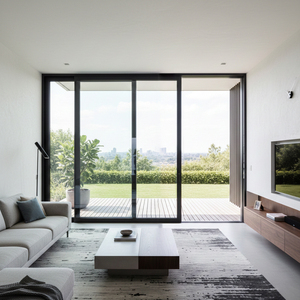
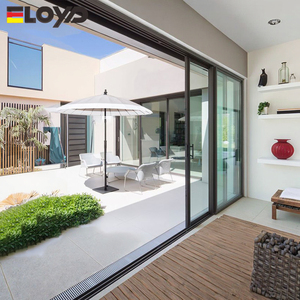
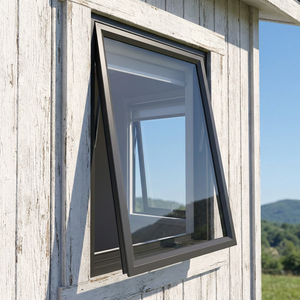
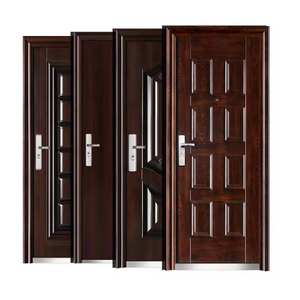
Evaluating the World's Leading Aluminum & Glass Door Manufacturing Facilities
Selecting the right aluminum and glass doors factory is one of the most critical structural and financial decisions for commercial developers, general contractors, fenestration distributors, and architectural firms. Modern building envelopes require strict adherence to international building codes, stringent thermal insulation targets, wind-load resistance specifications, and long-term durability metrics. Far beyond basic fabrication, high-tier architectural joinery manufacturing requires deep expertise in metallurgical alloy extrusion, structural polyamide thermal breaking, surface treatment chemistry, double/triple insulated glass unit (IGU) sealing, and multi-point hardware calibration.
This whitepaper breaks down the operational parameters, engineering standards, and strategic evaluation benchmarks required to navigate the top 10 aluminum and glass door manufacturing environments globally. Whether sourcing for high-rise residential towers in Australia, luxury coastal villas in North America, or commercial office retrofits in Northern Europe, understanding factory-level capabilities is essential to mitigate project risk and ensure compliance with regulatory frameworks such as AS2047:2014, AS1288:2021, NCC 2022, NZS4211:2008, NAFS (North American Fenestration Standard), and Miami-Dade High-Velocity Hurricane Zone (HVHZ) protocols.
The 5 Pillars of Factory Audit & Technical Verification
Before issuing requests for quotation (RFQs) or committing to containerized orders, procurement teams must audit direct OEM/ODM door factories against five non-negotiable engineering benchmarks:
- Aluminum Alloy Composition & Profile Geometry: Verification that primary extrusions utilize virgin 6063-T5 or 6063-T6 architectural grade aluminum with structural wall thicknesses meeting or exceeding 2.0mm for doors and 1.4mm for residential window profiles.
- Thermal Barrier Integration: Advanced factories utilize imported Technoform or custom PA66-GF25 (25% glass-fiber reinforced polyamide) thermal break struts to eliminate thermal bridging, achieving U-factors below 1.4 W/m²K.
- Surface Coating Longevity: Adherence to Qualicoat Class 2/3 or AAMA 2604/2605 specifications, guaranteeing resistance against UV degradation, salt spray corrosion (C5-M marine exposure), and surface chalking over a 10-to-25-year service life.
- Glass Unit Structural Integrity: Automated IGU lines producing dual/triple glazing with warm-edge spacers, argon gas fill (>90% concentration), and secondary structural silicone seals compliant with ASTM E2190 or EN 1279.
- Dynamic Structural & Weather Testing: In-house accredited test rigs capable of verifying air infiltration (ASTM E283 / AS4420.2), water penetration resistance under static and dynamic pressure (ASTM E331 / AS4420.3), and ultimate limit state wind pressure endurance up to ±4500 Pa.
Comparative Matrix: Direct Factory Manufacturing vs. Intermediary Assembly
Understanding the operational differences between integrated primary door factories and tier-2 assembly shops is crucial for commercial buyers looking for high Information Gain and supply chain transparency:
| Evaluation Parameter | Direct Architectural System Factory (e.g., SAGA) | Tier-2 Assembly Shop / Fabricator | Sourcing Impact & Risk Profile |
|---|---|---|---|
| Quality Control & Traceability | 100% full-process QA from billet extrusion to finished crating; full mill test certificates (MTC). | Outsourced profiling and localized assembly; inconsistent batch tolerance control. | Direct factory sourcing eliminates structural variation and profile mismatch on large multi-unit builds. |
| Custom Engineering & BIM | Dedicated R&D team providing shop drawings, finite element analysis (FEA), section detail drawings, and REVIT BIM models. | Basic manual CAD drawings; limited structural engineering calculation capabilities. | Direct engineering support ensures rapid certifier approval and zero site fitment errors. |
| Testing & Compliance | Independent third-party audits (AGWA, NAFS, Miami-Dade TAS 201-203 certified test reports). | Self-declared compliance or copied supplier test reports without project-specific sizing validation. | Protects developers and builders from structural failure, water ingress claims, and council sign-off rejections. |
| Hardware Integration | Direct OEM partnerships with Siegenia, ROTO, Kinlong, and custom heavy-duty multi-point locking systems. | Generic unbranded hardware options prone to mechanism fatigue and premature latch failure. | Guarantees 50,000+ operational cycle ratings and smooth operation on heavy multi-panel systems. |
Top 10 Aluminum and Glass Door Factory Models in the Global Market
When sourcing aluminum and glass doors, buyers encounter ten main manufacturing hub models and operational setups across the international supply chain. Identifying which factory model aligns with your operational requirements ensures cost optimization and structural safety:
1. Integrated System Houses
Factories possessing complete extrusion, anodizing, powder coating, thermal break assembly, and glazing lines under a unified Quality Management System (ISO 9001).
2. Minimalist & Crittall Specialists
Specialized facilities focusing on ultra-slim sightlines, micro-frame aluminum profiles, concealed hinges, and steel-look interior French/sliding doors.
3. High-Velocity Hurricane Plants
Manufacturers focused on severe storm zones, utilizing thick structural framing, heavy steel reinforcement, and laminated impact glass tested to Miami-Dade TAS protocols.
4. Passive House & Thermal Specialists
Advanced engineering plants dedicated to multi-chamber thermal breaks, triple/quadruple glazing, and aerogel insulation infill for extreme climate efficiency.
5. Heavy Lift & Slide Factories
Facilities setup with oversized CNC equipment capable of manufacturing 400kg+ sash weights, multi-track sliding panels, and motorized patio doors.
6. Acoustic Glazing Manufacturers
Factories engineering specialized multi-layer soundproof doors with acoustic PVB interlayers, unequal glass thickness pairing, and perimeter compression seals.
7. Architectural Entrance Door Units
Custom plants producing heavy-duty pivot doors, cast-aluminum security entry doors, thermo-insulated aluminum panels, and biometric locking systems.
8. Modular Bifold Door Hubs
Dedicated high-speed assembly plants focused on folding door hardware alignment, smooth top-hung/bottom-rolling carriages, and corner accordion sealing.
9. Volume Commercial OEM Suppliers
High-capacity manufacturing plants optimized for large-scale apartment developments, hotel projects, and standardized fenestration contracts.
10. Bespoke Hybrid Composite Facilities
Advanced engineering plants specializing in aluminum-timber composites, combining natural exterior aluminum protection with interior solid timber warmth.
Future Procurement & Technological Trends in Aluminum & Glass Doors (2025–2030)
The global architectural joinery sector is experiencing a rapid evolution driven by energy codes, decarbonization mandates, extreme weather occurrences, and smart home automation. Procurement directors and importers must adapt their purchasing specifications to stay ahead of market compliance requirements:
Decarbonized & Recycled Aluminum
Increased demand for low-carbon primary aluminum billets extruded using hydro-electric power and >75% recycled scrap aluminum, accompanied by certified Environmental Product Declarations (EPDs).
Strict Energy Code Mandates
Global adoption of zero-carbon building standards (such as Australia's NCC 2022 Section J and New Zealand's H1 update) requiring standard window/door assemblies to meet lower overall U-values and optimized SHGC ratings.
Smart Electrochromic Glazing
Integration of switchable smart privacy glass and dynamic electrochromic tinting directly connected to home automation systems via low-voltage concealed profile wiring.
Extreme Weather Resilience
Higher engineering thresholds for wind-driven rain penetration, structural deflections under cyclonic pressure, and large missile impact resistance across coastal and hurricane-prone regions.
Technical Manufacturing Evolution
Modern factories are transitioning from manual assembly to precision CNC machining centers. Multi-axis CNC corner milling, automated double-head 45-degree cutting, seamless corner crimping with two-component epoxy injection, and robotically applied EPDM perimeter gaskets ensure consistent frame air-tightness. Furthermore, surface finish technologies now feature high-durability PVDF fluorocarbon coatings and sub-limation timber grain transfers capable of enduring harsh UV environments without fading or micro-cracking.
Factory-Direct Manufacturing Excellence & Compliance Authority
SAGA Aluminum Doors & Windows Co., Ltd. operates as a premier factory-direct manufacturer specializing in custom aluminum, uPVC, and aluminum-timber joinery systems. Operating out of Minhou County, Fuzhou, Fujian, China, with direct shipping access through Fuzhou and Xiamen ports, SAGA brings over 16 years of direct manufacturing experience to global builders, architectural firms, window dealers, and project developers.
AGWA & AS2047 Accredited
Audited under the AGWA compliance program for Australian Standards AS2047:2014, AS1288:2021, and NCC 2022 energy and safety glazing mandates.
NZS4211 Building Code
Full compliance certification covering New Zealand Building Code clauses including B1 (Structure), B2 (Durability), E2 (External Moisture), and H1 (Energy Efficiency).
NAFS & Miami-Dade Certified
Certified testing for North American performance standards (NAFS) and Miami-Dade TAS 201, 202, and 203 large missile impact and cyclic pressure endurance.
With an export footprint spanning over 25 countries, SAGA provides full technical support including shop drawings, structural calculations, custom section design, free quality evaluation samples, and protected timber-crate packing. Every unit undergoes strict pre-shipment dimensional, weatherproofing, and operation checks backed by a 10-Year Comprehensive Factory Warranty.
B2B Aluminum & Glass Door Procurement FAQ
Common inquiries from importers, developers, and general contractors regarding factory production, compliance, and international shipping.