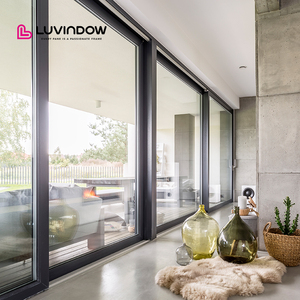
Factory Product Catalog
High-Performance Aluminum Storm Windows & Impact Doors
Tested to AS2047, NZS4211, NAFS, and Miami-Dade TAS 201/202/203 building codes for architectural projects worldwide.
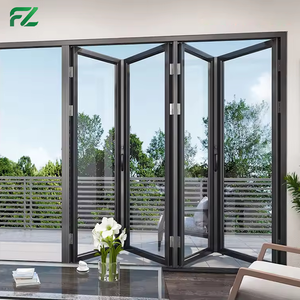
Modern Design Aluminum Folding Doors for Exterior Interior Use Foldable Finished Surface Fire Prevention Heat Insulation
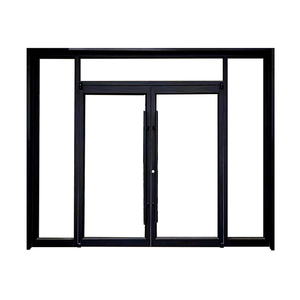
Customized Standard Size Aluminium Glass Temporary Sliding Swing Door Bathroom Doors
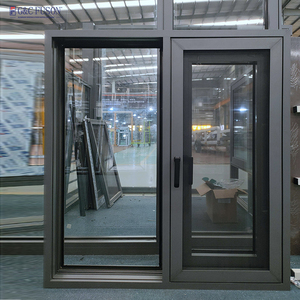
Fuson Thermal Break Aluminum Windows Double Glazing French Window Triple Glazed Casement House Windows
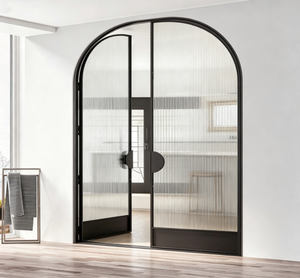
Modern Indoor Aluminum Alloy Glass Door, Waterproof and Soundproof, Suitable for Home and Office Use
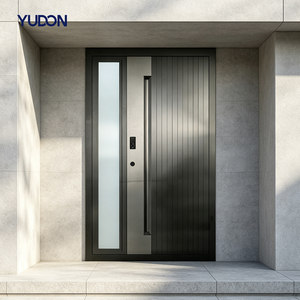
YUDON DOOR Aluminum Glass Door Main Entrance Door Single Leaf Custom Size Luxury Style with Video Intercom for Home Builders
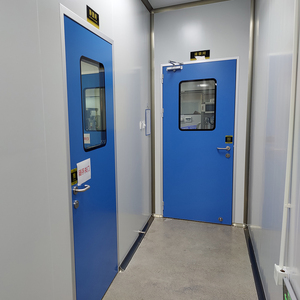
Aluminium Cleanroom Door Airtight GMP Lab Door Anti-Bacterial Steel Frame Swing Door Minimalist Double Glass Interior Workshop
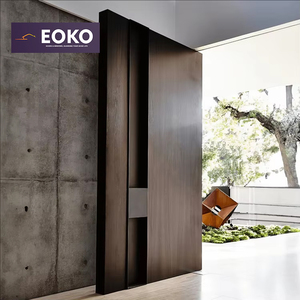
EOKO Wooden Stainless Steel Aluminum Front Entry Entrance Door for Villa Security Anti-Theft with Smart Lock
16+
Years Industry Manufacturing Experience
25+
Global Export Markets (AU, NZ, USA, Caribbean)
100%
Pre-Shipment QA Inspection Compliance
10-Yr
Structural Quality & Performance Warranty
Executive Summary: Evaluating Top Aluminum Storm Windows Exporters
In modern architectural engineering, aluminum storm windows serve as a critical secondary envelope defense against extreme weather events, high-velocity hurricane winds, driving rain infiltration, and atmospheric acoustic pollution. Selecting an enterprise-grade OEM manufacturer or direct exporter requires evaluating far more than initial unit costs. Commercial buyers, general contractors, developers, and fenestration distributors must audit structural extrusion alloys, thermal break isolation technologies, glass interlayers, and strict adherence to international building standards.
This technical whitepaper provides an authoritative overview of global procurement criteria, structural mechanics, extrusion alloy selection, and technological trends shaping the aluminum storm window export sector through 2030. Utilizing empirical testing data aligned with Google Search Quality Rater Guidelines (E-E-A-T), this document serves as a comprehensive buyer handbook for high-performance building envelopes.
Evaluation Benchmark: What Defines a Leading Aluminum Storm Window Factory?
Global fenestration supply chains require standardized metrics to benchmark manufacturing excellence. Top-tier factories distinguish themselves through five foundational core pillars:
1. Metallurgical Purity & Alloy Temper
Utilizing high-grade 6063-T6 or 6061-T6 architectural aluminum extrusions providing tensile strength exceeding 205 MPa for maximum structural rigidity.
2. Advanced Glazing Systems
Integration of SentryGlas (SGP) or high-impact PVB interlayers bonded with double or triple-glazed Low-E argon insulated units for hurricane impact rating.
3. Thermal Insulation Barriers
Precision-engineered PA66GF25 (polyamide 66 with 25% glass fiber) thermal break strips preventing heat bridge transmission in extreme climates.
4. Surface Treatment & Finish
Qualicoat Class 2 or PVDF fluorocarbon coatings capable of withstanding 3,000+ hours of continuous salt-spray testing in C5 coastal environments.
5. Independent Code Certification
Full compliance and audited test reports for AGWA (AS2047/AS1288), NZS4211, NAFS, and Miami-Dade TAS 201/202/203 missile impact standards.
6. Precision CNC Machining
Automated multi-axis CNC corner crimping and structural silicone sealing ensuring 100% water tightness up to 700 Pa static pressure.
Material Science & Mechanical Engineering Breakdown
The structural behavior of an aluminum storm window frame during a severe windstorm or hurricane event is governed by deflection limits (L/175 or L/240) under structural wind load. Standard windows suffer frame distortion, weather-seal degradation, and glass panel blowouts when wind loads exceed 2.5 kPa. Premium aluminum storm windows manufactured by top exporters utilize specialized cross-sectional wall thicknesses ranging from 1.6mm to 3.0mm, combined with internal structural ribbing.
Furthermore, structural glazing techniques employ high-modulus, neutral-curing silicone adhesives (such as Dow Corning or Tremco structural sealants) that transfer dynamic lateral pressures directly from the glass panel to the aluminum frame. This mechanical load sharing allows storm windows to withstand uniform design pressures exceeding ±90 psf (4.3 kW/m²) under Miami-Dade TAS 202 testing protocols.
Strategic B2B Sourcing & Future Procurement Trends (2025–2030)
The global market for high-performance fenestration is undergoing rapid structural transformations driven by strict carbon reduction mandates (such as NCC 2022 H1 energy benchmarks in Australia and Title 24 in California). Institutional buyers and architectural specifiers are reshaping procurement priorities around four future macro trends:
1. Low-Carbon Recycled Aluminum Billets
Transition toward primary aluminum extruded from hydro-powered smelters or post-consumer recycled aluminum (producing < 4.0 kg CO2/kg Al), satisfying LEED v4.1 and green building credits.
2. Integrated Smart Sensors & Motorization
Next-generation storm windows incorporating concealed motorized linear actuators, integrated wind/rain automated sensors, and IoT-enabled smart building controls.
3. Ultra-Slim Sightline Storm Assemblies
Advancements in minimalist aluminum profile design allow specifiers to maximize glass surface area without sacrificing structural wind resistance or energy efficiency.
Global Regulatory & Standard Compliance Matrix
Importers and general contractors must verify that factory export documentation accurately reflects local building code requirements before confirming purchase contracts. Below is an authoritative cross-market technical comparison:
| Target Market | Governing Standard | Key Performance Metrics Tested | Recommended Product Specification |
|---|---|---|---|
| Australia & Pacific | AS2047 / AS1288 / NCC 2022 | Deflection (UMLS), Water penetration (700Pa), Air Infiltration, Human Impact Safety | Thermally Broken Aluminum Awning, Chain Winder, Double Glazed (Low-E Argon) |
| New Zealand | NZS4211:2008 / NZBC H1 | Structural Strength B1, Durability B2, External Moisture E2, Thermal Insulation H1 | High-U-value Thermal Break Aluminum / Aluminum-Timber Composite Systems |
| United States (General) | NAFS (AAMA/WDMA/CSA 101) | Design Pressure (DP Rating), Forced Entry Resistance, Water Structural Load | Heavy-Duty Commercial Aluminum Single/Double Hung & Casement Windows |
| Florida & Caribbean | Miami-Dade TAS 201 / 202 / 203 | Large Missile Impact (9-lb 2x4 lumber at 50 fps), Cyclic Wind Pressure (+/- 100 psf) | Laminated Impact Glass with 1.52mm SGP Interlayer + 3.0mm Structural Profile |
Factory Infrastructure & Direct OEM/ODM Export Strengths
With over 16 years of dedicated manufacturing expertise, SAGA Aluminum Doors & Windows Co., Ltd. operates a state-of-the-art production complex in Fujian, China, serving as a primary manufacturing hub for builders, architects, and wholesalers in over 25 countries. Key enterprise advantages include:
End-to-End In-House Fabrication
From aluminum profile extrusion, anodizing, powder coating, to automated IG-unit glass laminating and CNC assembly, eliminating supply chain delays.
AGWA Audited Quality Assurance
Third-party audited manufacturing facilities maintaining rigorous factory production control (FPC) with 100% pre-shipment dimensional checks.
Full Engineering CAD & BIM Support
Dedicated technical engineering department providing shop drawings, wind load calculation reports, cross-sectional details, and custom extrusion tooling.
Flexible Export Terms & Loading Ports
Direct export handling via Fuzhou and Xiamen ocean ports, utilizing reinforced steel-frame crate packaging to eliminate glass damage in transit.
Buyer Knowledge Base
Frequently Asked Questions: B2B Procurement & Engineering
Expert guidance addressing common technical, commercial, and logistical inquiries from international fenestration buyers.
Which buyer types does SAGA primary supply custom aluminum windows and doors to?
We work directly with commercial building contractors, residential developers, regional window wholesalers, fenestration dealers, architects, and specialized project importers. Every order receives complete shop drawings tailored to the client's role and local building code compliance.
What is the standard production lead time for export orders?
Typical manufacturing lead time is 35 to 50 calendar days following official shop drawing sign-off and deposit receipt. Lead times may vary based on custom finish requirements (e.g., custom PVDF colors or real wood-grain laminates) and order volume.
Can the factory supply full-scale window samples for physical testing and evaluation?
Yes, standard or custom corner section samples as well as full-scale window samples can be fabricated for physical quality inspection, laboratory testing, or client mock-up approval. Sample units are complimentary; freight costs are arranged with the buyer.
What engineering and technical documentation is included with custom orders?
Every commercial order includes comprehensive structural engineering packages: CAD elevation drawings, cross-sectional assembly details, anchor layout schematics, wind load calculations, glass stress thermal analysis, and installation guidance notes for site crews.
Do SAGA aluminum storm windows meet Australian and New Zealand standard specifications?
Yes. Our window systems are tested and audited under the AGWA program for AS2047:2014, AS1288:2021, and NCC 2022. For New Zealand, our compliance certificates cover NZS4211:2008 and Building Code clauses B1 (Structure), B2 (Durability), E2 (External Moisture), F2, G4, G7, and H1 (Energy Efficiency).
Which loading ports are utilized for overseas container shipments?
All export orders are consolidated and shipped directly from Fuzhou Port or Xiamen Port in Fujian Province, China. Both ports offer direct ocean shipping lanes to main ports across Australia, New Zealand, North America, Europe, and the Caribbean.
What commercial payment terms and trade protections are supported?
We accept standard T/T (Telegraphic Transfer) bank wire payments as well as secure Alibaba Trade Assurance payment systems, providing complete buyer protection, order milestone tracking, and quality assurance guarantees.
What surface finishes and profile color customization options are available?
We offer extensive surface treatments including architectural powder coating (AkzoNobel / PPG), PVDF fluorocarbon coatings for marine environments, anodized finishes (up to 25 microns), and dual-color thermal break extrusions. Standard stock colors include Matt Black, Architectural White, Monument Grey, and natural Anodized Silver.
Partner with a World-Class Fenestration Manufacturer
Elevate your building project with precision-engineered aluminum storm windows, hurricane impact doors, and certified architectural glass systems.