Featured Coated & Thermally Broken Aluminium Doors
Engineered to Australian (AS2047), New Zealand (NZS4211), North American (NAFS), and Miami-Dade Hurricane Impact Standards.
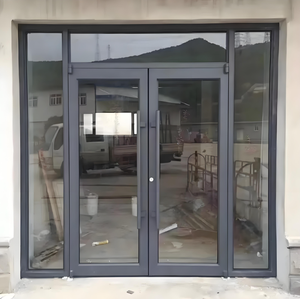
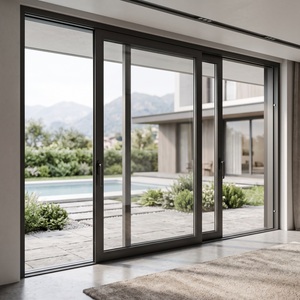
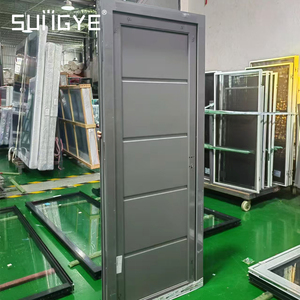
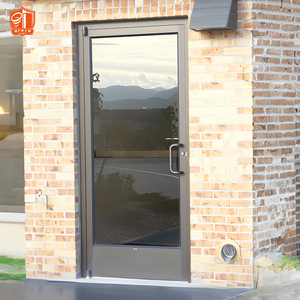
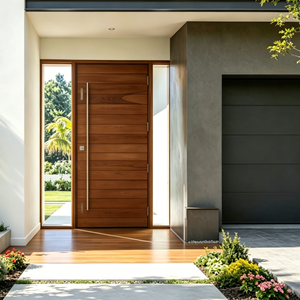
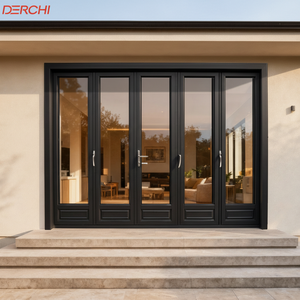
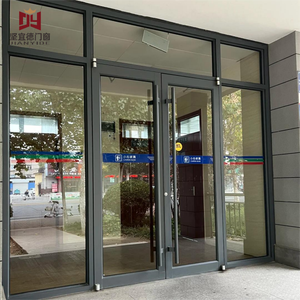
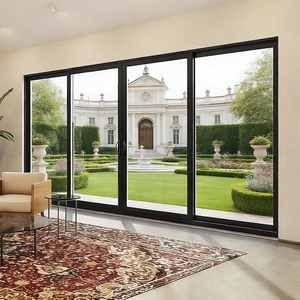
Executive Summary: Navigating China's Coated Aluminium Door Manufacturing Ecosystem
The global demand for high-performance architectural envelope systems has positioned China as the premier epicentre for coated aluminium doors manufacturing. Modern commercial and multi-residential projects require entry systems, sliding assemblies, and heavy-duty storefronts that combine structural rigidity, severe-weather resistance, high thermal efficiency, and long-lasting surface aesthetics. When evaluating a top China aluminium coated doors factory, international buyers—ranging from general contractors and facade engineers to commercial real estate developers—must look beyond simple unit costs to examine metallurgic profile grades, surface treatment specifications, thermal break assembly integrity, and verified structural compliance.
This whitepaper provides an engineering and procurement framework for sourcing premium coated aluminium doors from China. It dissects chemical surface finishing protocols (PVDF vs. Electrostatic Powder Coating vs. Anodizing), analyzes thermal barrier technologies, maps compliance requirements across major jurisdictions (AS2047, NZS4211, NAFS, Miami-Dade), and establishes a factory audit procedure to eliminate procurement risk.
Advanced Surface Science
Understanding AAMA 2605 PVDF fluorocarbon coatings versus AAMA 2604 electrostatic powder treatments to ensure 20+ year color retention in extreme UV and coastal environments.
Structural & Thermal Integrity
Integrating 6063-T5/T6 architectural aluminum profiles with Polyamide PA66 GF25 thermal break strips to maintain low U-factors and resist high wind loads.
Third-Party Audited Code Compliance
Direct alignment with Australian NCC 2022 (AS2047/AS1288), New Zealand Building Code (NZS4211), and US Hurricane Impact (TAS 201/202/203) standards.
Surface Coating Technologies: Engineering Specifications & Longevity Comparison
The operational lifespan and architectural appearance of an aluminium exterior door depend heavily on its surface coating chemistry. Top Chinese factories utilize sophisticated automatic vertical spray lines and chemical pre-treatment baths (chromate-free zirconium pre-treatments) to ensure coating adhesion and corrosion resistance under ISO 2360 standards.
When requesting quotations from a China aluminium coated doors factory, specifiers must dictate the exact coating methodology based on exposure levels:
- PVDF Fluorocarbon Coating (Kynar 500 / Hylar 5000 Resin Base): PVDF (Polyvinylidene Fluoride) represents the gold standard for severe weather exposure. Containing 70% fluorocarbon resin, PVDF coatings meet or exceed AAMA 2605 standards. They exhibit unmatched resistance to chalking, chemical degradation, salt spray, and extreme solar UV radiation, making them mandatory for high-rise commercial structures and coastal developments within 1,000 meters of salt water.
- Electrostatic Thermosetting Powder Coating (TGI-Free Polyester / Super Durable Resins): Meeting AAMA 2604 specifications, super-durable powder coatings offer superior impact and scratch resistance compared to liquid paints. They provide an eco-friendly option with zero VOC emissions and are available in matte, satin, gloss, and textured finishes. Ideal for inland residential villas, office partitions, and light commercial entryways.
- 3D Wood Grain Thermal Transfer Finishing: Combining the natural aesthetic of hardwood with the durability of aluminium, top factories employ vacuum heat-transfer technology over a powder-coated base layer. This process infuses non-fading polyurethane pigments deep into the coating matrix, preventing peeling, delamination, or water damage typical of genuine wood.
- Architectural Anodizing (Class I - 18 to 25 Micron Thickness): An electro-chemical process that transforms the metal surface into a durable, corrosion-resistant, anodic oxide finish. Anodized aluminium offers a metallic finish with high surface hardness (Mohs scale 7-8), suited for high-traffic commercial storefronts and minimalist entry doors.
Technical Matrix: Aluminium Surface Coating Comparison
| Coating Type | AAMA Standard | Film Thickness | Salt Spray Resistance (ASTM B117) | UV & Chalk Resistance | Recommended Application |
|---|---|---|---|---|---|
| 70% PVDF Fluorocarbon | AAMA 2605 | ≥ 30 - 40 µm | 3,000 - 4,000 Hours | Exceptional (20+ Yrs) | Coastal commercial, high-rise facades, tropical zones |
| Super Durable Powder | AAMA 2604 | ≥ 60 - 80 µm | 1,500 - 3,000 Hours | High (10-15 Yrs) | Residential housing, inland commercial, interior doors |
| 3D Heat Transfer Woodgrain | AAMA 2603 / 2604 | ≥ 70 - 90 µm | 1,000 - 2,000 Hours | Moderate to High | Luxury residential entry doors, patio bi-folds, hotel balconies |
| Class I Anodized Finish | AAMA 611 | ≥ 18 - 25 µm | 3,000+ Hours | High (Integrates with metal) | Storefront entrances, high-traffic commercial doors |
Structural Engineering & Thermal Break Innovation in Chinese Factories
Modern aluminium doors are multi-component structural systems designed to optimize building energy performance. Raw aluminium conducts heat readily (thermal conductivity ~200 W/m·K). To satisfy global green building codes—such as Australia's NCC 2022 Section J, New Zealand's H1 Energy Efficiency requirements, or US Title 24—leading factories install thermally broken profiles using structural polyamide insulating struts.
1. Polyamide PA66 GF25 Insulative Strips vs. PVC Infill
High-tier factories exclusively utilize PA66 GF25 (Polyamide 66 reinforced with 25% glass fiber) for thermal isolation. Glass-fiber reinforcement aligns the thermal expansion coefficient of the insulating strip with that of the surrounding 6063-T5 aluminium profile (2.3 × 10⁻⁵ /K). This prevents shear failure or frame warping under extreme heat cycles. Lower-tier manufacturers may substitute cheap PVC strips, which degrade under UV exposure and break under shear load.
2. Acoustic & Infiltration Control Seal Engineering
To achieve high acoustic insulation ratings ($R_w$ / STC ratings up to 42 dB) for hotel balcony sliding doors and apartment entrances, Chinese factories engineer multi-cavity EPDM (Ethylene Propylene Diene Monomer) gasket systems combined with continuous corner-crimping technologies. Double and triple-glazed units are assembled using warm-edge spacers (e.g., Technoform) and filled with 90%+ Argon gas to minimize thermal transmittance (U-factors down to 1.2 W/m²K).
3. Solid Honeycomb Aluminium Core Construction
For heavy-duty solid entry doors and exterior security doors, top factories incorporate structural aluminium honeycomb cores sandwiched between powder-coated or PVDF-coated face sheets. This structure yields superior strength-to-weight ratios, high impact resistance, and flat panel acoustics without adding excessive deadweight to door hinges and automatic pivot operators.
Global Market Standards & Compliance Verification Framework
Exporting custom aluminium doors from China to developed markets requires structural and thermal testing verification. Importers must ensure their factory partner holds valid, accredited test certificates from recognized testing bodies.
| Target Region | Mandatory Performance Standards | Key Testing Criteria | Quality Verification Body |
|---|---|---|---|
| Australia | AS2047:2014, AS1288:2021, NCC 2022 | Deflection, air infiltration, water penetration, ultimate strength | AGWA (Australian Glass & Window Association) Audited |
| New Zealand | NZS4211:2008, NZBC Clauses B1, E2, H1 | Weathertightness, structural wind pressure, energy performance | Independent IANZ Accredited Laboratory Reports |
| USA & Canada | NAFS (AAMA/WDMA/CSA 101/I.S.2/A440) | Air leakage, water pressure, structural load, forced entry | Intertek / NFRC Certified Test Reports |
| Florida & Caribbean | Miami-Dade TAS 201, 202, 203 | Large missile impact, static air pressure, cyclic wind load | NOA (Notice of Acceptance) / Florida Building Code |
Procurement Trends (2026–2030): What Global Buyers Must Anticipate
Sourcing strategies for architectural joinery are evolving. Procurement teams must account for four macro trends currently reshaping China's aluminium doors manufacturing landscape:
- Ultra-Slim Sightlines & Minimalist Panoramic Doors: Architectural preference has shifted toward narrow interlock sightlines (18mm to 25mm profile width) for large balcony sliding doors and multi-slide patio systems. Top factories utilize heavy-duty stainless steel concealed rollers capable of supporting sash weights over 400kg while maintaining effortless manual or motorized operation.
- Integration of Smart Glass & Automated Hardware: Commercial storefront and residential entrance doors increasingly incorporate electrochromic (PDLC) switchable privacy glass, hidden biometric access control systems, and automatic multi-point locking drives (e.g., German ROTO, Siegenia, or custom motorized drives) linked directly to building management systems (BMS).
- Decarbonization & Environmental Product Declarations (EPD): Institutional buyers in Europe and Oceania now require embodied carbon data. Leading Chinese aluminium door factories are adopting primary aluminium ingots smelted using renewable hydropower and providing verified EPD certificates detailing cradle-to-gate carbon footprints.
- Pre-Assembled Modular Unitization for Rapid Jobsite Installation: To reduce expensive local jobsite labor costs in Australia, North America, and Europe, factories now supply sub-assembled knock-down (KD) or fully assembled unitized door sub-frames fitted with factory-installed nail fins, flashing trays, and pre-drilled fixing points.
Factory Audit Checklist: How to Qualify a China Coated Aluminium Doors Manufacturer
Not all suppliers advertising as "factories" operate complete manufacturing ecosystems. Importers should execute a systematic audit focused on six technical capabilities:
- Raw Material Traceability: Ensure the factory uses virgin 6063-T5 or T6 grade aluminum billet rather than recycled scrap metal containing impurities that compromise extrusion strength and coating adhesion. Request mill test certificates (MTC) matching EN 755-2 / ASTM B221.
- In-House Coating Line vs. Subcontracted Spraying: Factories with automated in-house powder coating or PVDF lines maintain complete quality control over bath temperatures, chemical pre-treatment film weights, and oven curing temperatures. Subcontracted coating often leads to inconsistent film thickness and premature peeling.
- Corner Joining & Assembly Precision: Check whether frames are joined using heavy-duty cast aluminum corner cleats with dual-component epoxy injection glue, or merely screwed together. Epoxy-injected crimped corners ensure structural rigidity and prevent water leakage at frame joints.
- Pre-Shipment Trial Assembly & Inspection (QC): A reputable manufacturer performs 100% full-scale trial assembly of custom door orders before packaging to verify overall dimensions, diagonal squareness, hardware operation, glass reveal fitment, and gasket sealing.
- Export Packaging Standards: Ocean transit subjects door crates to moisture and mechanical shock. Qualified suppliers pack frames with protective film, foam corner guards, fumigated solid wood crates, or fully enclosed steel-framed wooden boxes lined with moisture-absorbent desiccant packs.
Enterprise Strengths: The SAGA Manufacturing Advantage
SAGA Aluminum Doors & Windows Co., Ltd. stands as an audited manufacturing partner for overseas builders, wholesalers, developers, and architects requiring custom aluminium and uPVC door assemblies. Operating out of the Tieling Technical Zone in Fujian, China, SAGA bridges high-volume industrial capacity with bespoke architectural engineering.
16+ Years Export Engineering
Over a decade and a half focused exclusively on international building codes. Factory-direct engineering teams deliver shop drawings, section details, and wind load calculations prior to production.
AGWA Audited Quality Management
Annual independent audits ensure ongoing compliance with AS2047, AS1288, and NCC 2022 regulations. Full compliance coverage for Australian and New Zealand building approval processes.
Reliable Supply Chain Logistics
Direct access to Fuzhou and Xiamen sea ports. Streamlined production lead times of 35 to 50 days with trade protection via T/T bank transfer or Alibaba Trade Assurance.
Frequently Asked Questions (FAQ) for B2B Importers & Contractors
Which types of commercial and residential buyers does SAGA supply?
SAGA supplies window and door wholesalers, stocking dealers, project builders, real estate developers, facade contractors, architects, and custom homebuilders. Each order is backed by tailored shop drawings, engineering data, and customized shipping logistics suited to the buyer's project role.
What is the typical production lead time for customized coated aluminium doors?
Standard manufacturing lead time ranges from 35 to 50 calendar days following the final sign-off of CAD shop drawings and hardware specifications. Shipping transit time varies depending on the destination port (e.g., 14-20 days to Australian main ports; 25-35 days to US West/East Coast ports).
Can SAGA supply physical samples for architectural approval and laboratory testing?
Yes. SAGA provides standard-size aluminum profile corner samples, coating color swatches, thermal break section cuts, and fully operable sample windows/doors for architect sign-off or localized testing. Sample items are provided free of charge, with courier freight covered by the recipient.
What structural and technical documentation is included with custom orders?
Every commercial order includes structural CAD shop drawings, cross-sectional profiles, elevation schedules, glass performance datasheets (U-factor, SHGC, VLT, STC), installation anchoring details, and third-party test reports validating compliance with local building codes.
How do SAGA aluminium doors perform in extreme weather and high wind zones?
SAGA door systems are engineered and tested for extreme conditions. Systems certified under AS2047 meet high serviceability and ultimate limit state water pressure ratings (up to 600 Pa+), while hurricane-impact series meet Miami-Dade TAS 201/202/203 large missile impact and cyclic wind pressure standards.
What coating color and surface finish options are available for factory orders?
SAGA offers full RAL color matching, custom architectural anodized finishes (silver, bronze, black, champagne), textured powder coatings, 3D woodgrain heat-transfer foils, and premium dual-color options (different interior and exterior colors on thermally broken frames).
Accelerate Your Project Procurement Today
Request comprehensive product catalogs, CAD section drawings, test certificates, and factory-direct pricing for your upcoming commercial or residential building project.
Get Catalog