1. Executive Sourcing Summary: The Evolution of China’s Architectural Joinery Export Market
The global demand for high-performance architectural openings has underwent a paradigm shift. Modern commercial and residential developments no longer treat exterior doors merely as physical boundaries; they are calculated thermal control barriers, acoustic isolators, structural wind loads resistance elements, and crucial design statements. As the leading hub for worldwide fenestration manufacturing, China's premium aluminum door factories—exemplified by SAGA Aluminum Doors & Windows Co., Ltd.—have evolved from basic fabricators into highly certified, engineering-driven technical partners for international developers, architects, general contractors, and hardware distributors.
This technical whitepaper provides B2B buyers, architectural specifiers, and trade importers with an authoritative evaluation of high-end aluminum entrance systems, modern custom exterior hinged doors, thermal-break sliding portals, heavy-duty pivot doors, and folding patio assemblies. We examine manufacturing mechanics, material science innovations (such as PA66 GF25 thermal breaks), global testing certifications (AS2047, NZS4211, NAFS, Miami-Dade TAS 201/202/203), and strategic procurement methodologies required for seamless international project delivery.
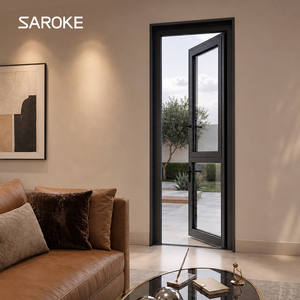
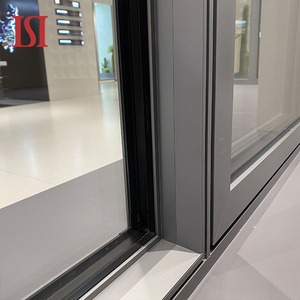
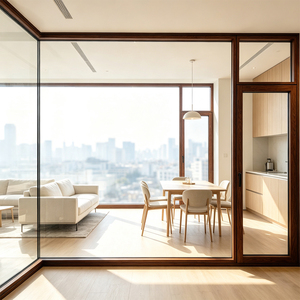
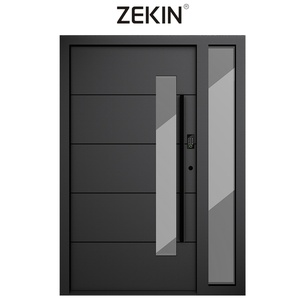
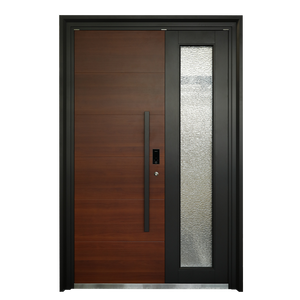
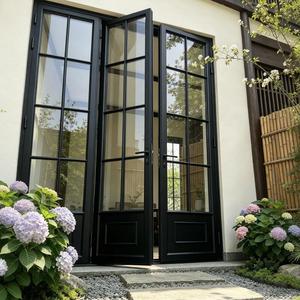
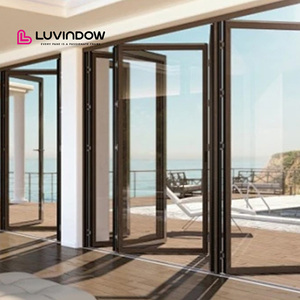
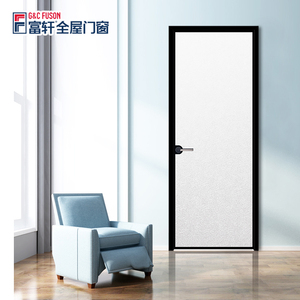
Top Recommended Architectural Entrance & Exterior Systems
Precision-engineered, custom-tailored joinery products fabricated for extreme structural, acoustic, and thermal performance.
2. Material Science & Structural Engineering Comparison Matrix
When specifying entrance and exterior doors for multi-family residential projects or commercial developments, selecting the correct structural frame material directly affects long-term durability, maintenance schedules, and building code compliance. Below is an engineering comparison compiled by SAGA's technical R&D department:
| Engineering Criteria | Thermally Broken Aluminum (6063-T5/T6) | Aluminum-Timber Composite | High-Impact uPVC Profile |
|---|---|---|---|
| Structural Strength & Span | Exceptional (Ideal for oversize heavy pivot & multi-panel bifold doors) | High (Ideal for luxury villa entries and residential facades) | Moderate (Reinforced with internal galvanized steel cores) |
| Thermal Insulation (U-Factor) | U: 1.4 - 2.0 W/m²K (With PA66 GF25 thermal break strips) | U: 1.1 - 1.5 W/m²K (Natural timber internal thermal mass) | U: 0.8 - 1.3 W/m²K (Multi-chamber air pockets) |
| Sightline Profile Width | Slimmest available (Maximizes glass-to-frame ratio) | Medium traditional profile depth | Wider frame profiles required for structural loads |
| Weathering & Salt Spray Resistance | Superior (Qualicoat powder coating or 25µm Anodizing) | Superior external aluminum skin; timber needs interior care | Immune to rust/corrosion; UV-stabilized anti-yellowing formulas |
| Primary Target Application | Modern luxury villas, high-rise buildings, high-wind coastal zones | High-end custom residences, eco-resort chalets, boutique hotels | Passive houses, energy-efficient apartments, noisy urban zones |
Note: SAGA’s engineering team calculates frame deflection (L/175 or L/240 standard) and thermal movement for every custom order based on wind load exposure maps provided by project architects.
Why Leading Global Builders & Importers Choose SAGA
16 years of direct factory manufacturing expertise, rigorous compliance testing, and turnkey global trade capabilities.
State-of-the-Art Factory Infrastructure
Located in the Tieling Technical and Economic Development Zone, Fuzhou, Fujian, our factory houses advanced CNC multi-axis machining centers, automatic corner crimping lines, and glass double-glazing lines.
Full International Code Audits
Direct technical compliance with Australian NCC 2022 (AS2047/AS1288 certified by AGWA), New Zealand Building Code (NZS4211:2008), NAFS for North America, and Florida Miami-Dade HVHZ hurricane standards.
Bespoke CAD/BIM Shop Drawings
Every commercial or residential project receives fully detailed architectural CAD cross-section drawings, installation detail blueprints, and structural wind pressure calculation reports prior to manufacturing release.
Rigorous Protective Export Packaging
Units are fully protected with corner guards, wrapped in scratch-resistant protective films, sealed in vacuum foil bags, and mounted inside custom fumigated wooden crates optimized for container loading.
Flexible Trade & Supply Chain Terms
Convenient loading directly from Fuzhou or Xiamen ocean ports, offering competitive FOB, CIF, or DDP delivery arrangements alongside secure T/T bank transfer or Alibaba Trade Assurance safety mechanisms.
Dedicated Partner Support Programs
We work directly with builders, window fabricators, commercial developers, architects, and regional distributors—supplying free standard sample kits, hardware spare parts, and dedicated engineering consultation.
3. Global Architectural Trends & Future Procurement Directives (2025–2030)
As international energy codes tighten and architectural design trends evolve, purchasing managers and procurement agents must align their supply chains with next-generation fenestration technology. Key market trends transforming the aluminum entrance door export sector include:
1. Ultra-Slim Sightlines & Oversized Glazing Portals: Modern architecture prioritizes maximized natural light and uninhibited sightlines. SAGA’s engineering team has pioneered narrow-frame aluminum profiles capable of supporting double and triple-glazed insulated glass units weighing over 350 kg per leaf without structural sagging or frame distortion.
2. Advanced PA66 GF25 Polyamide Thermal Break Technology: Standard aluminum profiles are conductive thermal bridges. Modern energy codes (such as Australia’s NCC 2022 H1 thermal requirements and European Passive House benchmarks) demand multi-chamber polyamide thermal breaks reinforced with 25% glass fiber (PA66 GF25). These strips cut U-values drastically, allowing buildings to minimize HVAC cooling and heating energy consumption.
3. Smart Access Integration & Biometric Security Systems: High-end residential entrance doors are moving away from traditional mechanical keys. Factory-integrated multi-point motorized locking mechanisms compatible with facial recognition, fingerprint scanning, smartphone app controls, and home automation systems (Zigbee/Z-Wave/KNX) represent the fastest-growing specification request from luxury villa developers.
4. Severe Climate Resilience & Hurricane Impact Resistance: Coastal regions across Florida, the Caribbean, Australia, and East Asia are experiencing heightened typhoon and hurricane frequencies. Importers are increasingly specifying impact-resistant laminated glass (PVB/SGP interlayers) certified under Miami-Dade TAS 201 (Large Missile Impact) and TAS 203 (Cyclic Wind Pressure Loading), ensuring structural integrity even during catastrophic atmospheric events.
5. Sustainable Circular Aluminum & Low-Carbon Surface Coatings: Carbon footprint auditing is rapidly becoming mandatory for commercial tenders. Utilizing recycled aluminum billits processed with clean hydroelectric power, combined with VOC-free Qualicoat Class 2 powder coating systems, allows project owners to secure valuable LEED, BREEAM, and Green Star accreditation points.
Frequently Asked Sourcing & Procurement Questions
Expert guidance on technical specifications, shipping logistics, customization options, and factory procedures.