Precision-Engineered Acoustic Windows & Doors
Explore our export-grade soundproof architectural solutions tested to global standards for noise mitigation, thermal isolation, and structural durability.
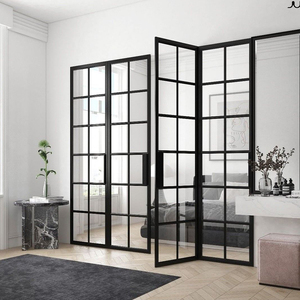
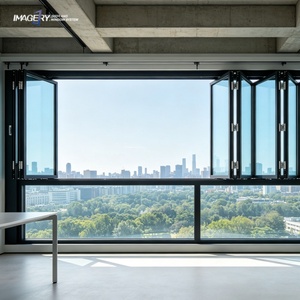
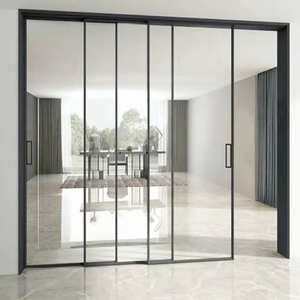
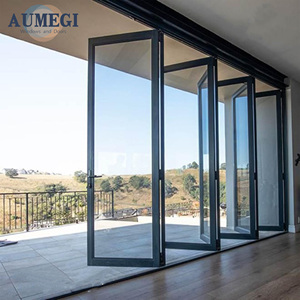
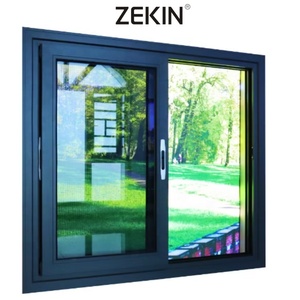
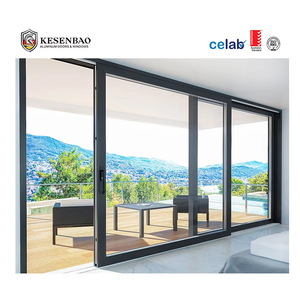
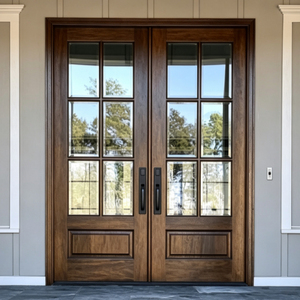
Engineering Scale & Global Supply Capabilities
Operating as a premier OEM/ODM manufacturer in Fujian, China, SAGA Doors & Windows integrates advanced German CNC extrusion processing, automated acoustic glass assembly, and strict laboratory testing.
AGWA & AS2047 Compliance
Audited annually under the Australian Glass and Window Association (AGWA) scheme. Fully certified for AS2047, AS1288, and NCC 2022 building code compliance.
Acoustic & Thermal Testing
Engineered multi-chamber thermal breaks utilizing Technoform polyamide strips (PA66GF25) paired with PVB acoustic laminated glass for maximum Sound Transmission Class (STC) values.
Direct Port Logistics
Streamlined sea freight exports loading directly from Fuzhou and Xiamen ports. Reinforced export steel-frame plywood crating guarantees zero glass breakage upon site arrival.
Technical Blueprint: Soundproof Aluminium Window Sourcing & Acoustic Engineering
A comprehensive guide for architects, developers, building certifiers, and commercial importers evaluating Chinese architectural window manufacturers.
1. The Physics of Acoustic Attenuation in Fenestration
In modern urban development, ambient noise pollution from traffic, aviation, and dense industrial infrastructure poses a significant challenge to residential well-being and commercial real estate value. Standard single-glazed or baseline double-glazed aluminum windows typically achieve a Sound Transmission Class (STC) rating of only 26 to 30 dB. However, high-performance soundproof aluminum windows manufactured by top China suppliers are engineered to achieve STC ratings between 40 dB and 48 dB (or Weighted Sound Reduction Index Rw + Ctr up to 45 dB).
Acoustic attenuation in aluminum fenestration relies on three fundamental physical principles:
- Mass Law & Asymmetric Glass Thickness: Sound energy transfers through glass via mechanical vibration. Using panes of identical thickness (e.g., 6mm + 12Ar + 6mm) causes a physical phenomenon known as the "coincidence dip," where sound waves at specific resonant frequencies easily pass through both panes. Leading soundproof window factories employ asymmetric glass combinations (e.g., 8.38mm acoustic laminated glass outer + 16mm argon cavity + 6mm toughened inner), altering the resonant frequencies of each layer to disrupt acoustic transmission across 125Hz to 4000Hz spectrums.
- Acoustic Interlayer Damping: Standard Polyvinyl Butyral (PVB) interlayers offer structural safety, but specialized soundproof windows utilize Viscoelastic Acoustic PVB or SentryGlas (SGP) interlayers. These specialized elastomeric polymers convert acoustic wave vibrations into micro-thermal energy, drastically reducing sound transmission in critical human speech and low-frequency traffic noise bands.
- Hermetic Compression Sealing: Sound travels through air gaps with minimal loss. A window frame with a 1mm continuous perimeter gap can drop an STC 42 acoustic glass assembly down to STC 28. High-tier Chinese manufacturers solve this by utilizing continuous co-extruded EPDM (Ethylene Propylene Diene Monomer) gasket seals combined with multi-point hardware engagement mechanisms (e.g., German ROTO Frank or Siegenia systems) that mechanically compress the sash into the outer frame upon closure.
Acoustic Specifier Insight: Achieving an STC rating above 40 dB requires strict thermal break frame insulation. Uninsulated aluminum profiles act as acoustic bridges, conducting low-frequency vibration directly through the metallic frame matrix regardless of how thick the glass assembly is.
2. Comparative Analysis: Glazing Configurations & Acoustic Performance Matrix
Selecting the optimal glazing configuration requires balancing sound attenuation, thermal efficiency (U-Value / Solar Heat Gain Coefficient), structural wind load resistance, and overall procurement budget. Below is an engineering performance benchmark developed from factory testing data:
| Glazing System Profile | Typical STC Rating | Rw (dB) Attenuation | Thermal U-Value (W/m²K) | Primary Commercial Application |
|---|---|---|---|---|
| Single Toughened (6mm / 8mm) | STC 28 - 30 | 27 - 29 dB | 5.6 - 5.8 | Standard interior office partitions & low-noise mild climates |
| Standard IGU (6mm + 12Ar + 6mm) | STC 31 - 33 | 30 - 32 dB | 2.6 - 2.8 | Suburban residential developments with basic thermal requirements |
| Asymmetric Acoustic IGU (8.38mm Lam + 16Ar + 6mm) | STC 38 - 41 | 37 - 40 dB | 1.6 - 1.8 | Urban high-rise residential & hotel projects facing arterial roads |
| Triple Acoustic Low-E (6.38mm Lam + 12Ar + 5mm + 12Ar + 6mm) | STC 42 - 45 | 41 - 44 dB | 1.1 - 1.3 | Airport perimeter zones, luxury villas, passive house projects |
| Vacuum Insulated Glass (VIG) + Acoustic Laminated | STC 45 - 48+ | 44 - 47 dB | 0.6 - 0.8 | Next-generation sustainable architectural projects & extreme noise zones |
3. Global Building Code Compliance & OEM Standards
When sourcing soundproof aluminum windows from Chinese suppliers, compliance with target-market regulatory frameworks is mandatory to clear customs and satisfy site building certifiers:
- Australia & New Zealand (AS2047 / AS1288 / NZS4211): Products must withstand rigorous testing for Deflection (AS4420.2), Air Infiltration (AS4420.4), Water Penetration Resistance (AS4420.5 - typically 300Pa to 600Pa ultimate limit state), and Ultimate Strength (AS4420.6). Frame alloys must utilize 6063-T5 or T6 grade aluminum with powder-coating compliant with Interpon or Dulux warranty standards.
- North America (NAFS / AAMA / WDMA / CSA): Compliance mandates rigorous water penetration resistance under cyclic static pressure, uniform load structural testing, and air leakage verification. Products destined for coastal hurricane zones (e.g., Florida) require Miami-Dade TAS 201 (Large Missile Impact), TAS 202 (Uniform Static Air Pressure), and TAS 203 (Cyclic Wind Pressure Loading) certifications.
- European Union (CE / EN 14351-1): Requires clear declaration of essential performance characteristics including thermal transmittance, acoustic performance, water tightness, and air permeability under pressure.
4. Sourcing & Procurement Trends: 2026–2030 Outlook
The global architectural fenestration supply chain is undergoing structural shifts driven by digitalization, stringent environmental mandates, and demanding client performance expectations. Importers, general contractors, and distributors sourcing from China should align with these emerging trends:
- BIM Integration & Digital Twin Manufacturing: Modern builders demand direct integration of window schedules into Building Information Modeling (BIM) workflows. Premier Chinese suppliers now provide native Revit / IFC 3D parametric families containing embedded thermal, acoustic, and structural load metadata prior to extrusion cutting.
- Decarbonization & Green Aluminum Extrusions: European and North American developers increasingly mandate lower embodied carbon footprints. Leading factories are shifting toward hydro-powered low-carbon aluminum extrusions and recycled billet aluminum, compliant with LEED v4.1 and BREEAM sustainability scoring systems.
- Smart Glazing & Dynamic Acoustic Control: Integration of electrochromic switchable smart glass, motorized micro-louvers within sealed acoustic cavities, and integrated trickle ventilation with labyrinthine acoustic baffles allows fresh air exchange while maintaining high STC isolation performance.
5. Technological Innovations in Acoustic Window Manufacturing
China's top-tier window manufacturing hubs (specifically in Fujian and Guangdong provinces) are deploying cutting-edge manufacturing equipment to surpass traditional acoustic isolation boundaries:
- Robotic Corner Crimping & Dual-Component Silicone Injection: Eliminates structural corner joint deflection, preventing micro-gaps through which high-frequency sound waves leak.
- Multi-Chamber Polyamide Thermal Struts: Replacing flat thermal strips with engineered multi-cavity PA66GF25 polyamide profiles filled with hydrophobic expanding foam (PU insulation cores), effectively creating acoustic dead zones inside the metal frame.
- Laser-Guided CNC Milling for Hardware Pocketing: Ensures zero hardware misalignment, allowing multipoint locking hooks to pull the sash tight against triple-gasket seals with uniform perimeter force.
Enterprise Strengths & Factory Infrastructure
Built upon 16 years of OEM manufacturing excellence, SAGA Aluminum Doors & Windows delivers complete end-to-end supply chain reliability for commercial builders and distributors worldwide.
Full-Process Manufacturing Control
From aluminum profile extrusion cutting and CNC machining to insulating glass unit (IGU) assembly and final multi-stage quality control, all manufacturing processes take place in our standardized facility in Fuzhou, Fujian.
Bespoke Shop Drawings & Engineering Support
Our dedicated engineering team reviews your architectural schedules to provide detailed CAD section drawings, elevation details, wind load structural calculations, and installation guides prior to order sign-off.
Predictable Production Lead Times
Standard custom project lead times range between 35 to 50 days from approved shop drawings. Flexible shipping arrangements via Fuzhou or Xiamen ports ensure seamless container consolidation and delivery.
Frequently Asked Questions for Importers & Specifiers
Get immediate answers to essential commercial, technical, and logistical questions regarding custom window sourcing from China.
Which buyer types does SAGA primary supply custom windows and doors to?
We supply commercial general contractors, residential volume builders, property developers, architectural firms, wholesale building material distributors, and specialized window dealers across North America, Australia, New Zealand, Europe, and the Caribbean.
What is the typical production lead time for customized acoustic windows and doors?
Standard production lead time is 35 to 50 calendar days following official shop drawing approval and deposit receipt. Shipping transit time varies depending on the destination port (e.g., 14-20 days to Australian East Coast ports, 22-30 days to US West Coast ports).
Can SAGA supply window samples for acoustic, structural, or finish evaluation?
Yes. We provide sample corner sections or full-scale standard sample windows showcasing frame extrusions, thermal break technology, EPDM gasket seals, powder-coat finishes, and acoustic double/triple glazing. Sample products are offered free of charge, with the buyer responsible for express freight logistics.
What technical and engineering support is included with custom B2B orders?
Every project includes full architectural CAD support: shop elevation drawings, frame section details, structural wind pressure calculations, glass performance reports, and step-by-step site installation guidelines customized to your wall substrate (e.g., timber frame, concrete block, steel stud).
Do SAGA windows fully comply with Australian and New Zealand building standards?
Yes. SAGA products are independently audited under the AGWA compliance program. Our test documentation covers AS2047 (Windows in Buildings), AS1288 (Glass in Buildings), NCC 2022, and New Zealand Standard NZS4211:2008 across structural, water tightness, air infiltration, and durability clauses.
What are the primary loading ports, packaging methods, and payment terms?
Orders ship directly from Fuzhou or Xiamen ports in Fujian Province, China. Products are packed using protective plastic wrapping, corner protectors, and fully enclosed steel-reinforced A-frame plywood crates. Payment terms are standard T/T bank transfer or Alibaba Trade Assurance.
How does frame thermal break construction improve window soundproofing?
Thermal break profiles utilize structural polyamide strips (PA66GF25) to separate the exterior and interior aluminum extrusions. In addition to stopping conductive heat transfer, this structural break decouples the metal frame, absorbing acoustic vibrations and preventing the frame from acting as a soundboard.
What frame finishes and anodizing options are available for coastal projects?
We offer high-durability AkzoNobel and Dulux fluorocarbon (PVDF) powder coating, architectural anodizing (15 to 25 microns), and realistic woodgrain transfer finishes. For harsh saltwater marine environments, we apply marine-grade pre-treatment to prevent filiform corrosion.
Transform Your Building Envelope With High-Performance Soundproof Windows
Send us your project architectural drawings or window schedule. Our engineering team will deliver a comprehensive technical proposal, acoustic evaluation, and factory-direct quotation within 24 hours.