Years Engineering Experience
Global Export Markets
Structural Quality Warranty
Pre-Shipment Audit Compliance
Next-Generation China Aluminium Tambour Door Systems: Structural Integrity & Space Efficiency
In modern commercial architecture, industrial storage facilities, and high-end residential interiors, the demand for flexible, space-saving architectural closures has surged. Aluminium tambour doors (also known as roller shutter doors or slat-sliding closures) represent the apex of functional space utilization and structural durability.
Evolution of Extruded Aluminium Slat Technology
Unlike traditional swing or bi-fold doors that consume valuable floor area during operation, aluminium tambour door systems utilize interlocking extruded slats (typically 6063-T5 or 6063-T6 alloy) that roll smoothly along recessed vertical or horizontal track geometries into a compact roller cassette.
As top China suppliers and exporters, enterprise manufacturers like SAGA Doors & Windows have advanced the manufacturing process by integrating precision CNC curtain assembly, high-wear nylon guide caps, acoustic dampening seals, and automated tubular motor drives.
- Optimized Alloy Density: High tensile strength 6063-T5/T6 structural aluminum.
- Surface Resistance: Fluorocarbon PVDF, anodizing (15-25µm), or Qualicoat powder coating.
- Silent Operation: Integrated co-extruded rubber seals and anti-vibration track liners (<42 dB).
Sourcing Insights for B2B Buyers
Navigating the global market to select qualified China suppliers requires evaluating technical compliance, structural wind load performance, thermal insulation options, and certified raw material sourcing.
Whether importing specialized warehouse roller shutter doors, kitchen partition tambour units, or architectural bi-fold and sliding joinery, procurement teams must ensure compliance with international fenestration frameworks such as AS2047, NZS4211, NAFS, and Miami-Dade TAS protocols.
Request Technical Specification GuideHigh-Performance Aluminium Joinery & Roller Shutter Systems
Explore our export-grade series engineered for commercial projects, residential developments, and industrial warehouses.
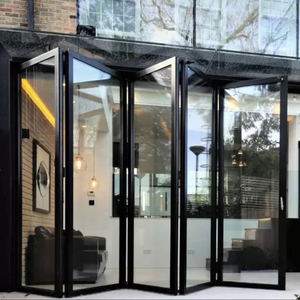
YY Florida Approval 10 Year Warranty Wholesale Exterior Patio Black Aluminum Frame Glass Stack Bifold Folding Door
Get Catalog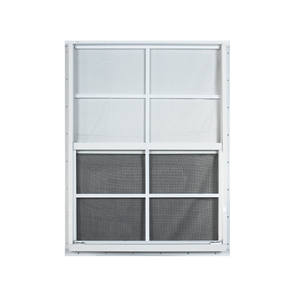
New Designs Aluminium Windows Vertical Slider Sash J-lap J Channel Window Flush Window Grid Windows
Get Catalog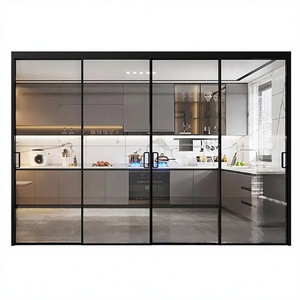
Thermal Break Aluminum Alloy Sliding Glass Door Double Glazing Kitchen Partition Door
Get Catalog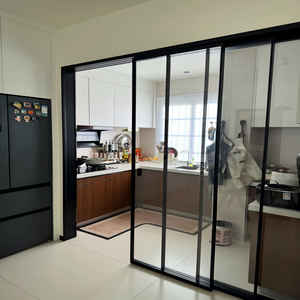
Kitchen Aluminum Sliding Door Oil Proof Easy Clean Tempered Glass Slide Door Waterproof Kitchen Partition Door Custom
Get Catalog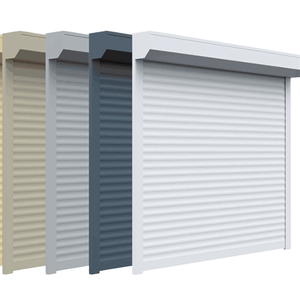
2026 Customized Aluminum Alloy Anti-Theft Warehouse Roll Door with Powerful Motor Windproof Remote Control Roller Shutter Doors
Get Catalog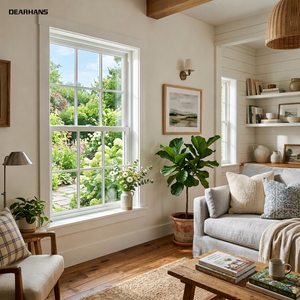
American Replacement Single Hung Windows Aluminum Vertical Sliding Single Hung Windows With Full Insect Screen
Get Catalog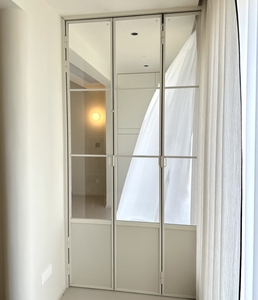
Elegant Minimalist French Style Aluminum Bi-old Interior House Door with Tempered Glass for Modern Home Decoration
Get Catalog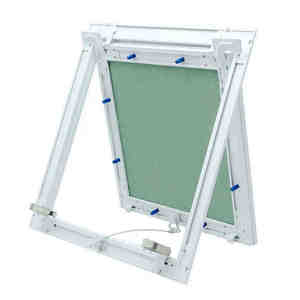
Seamless Hidden Recessed Aluminium Moisture-Proof Soundproof Inspection Access Door With Aluminum Frame
Get CatalogAluminium Tambour Profile Technical Comparison Matrix
A rigorous specification breakdown for architects, structural engineers, and commercial procurement managers.
| Performance Metrics | Standard Interior Tambour Slat | Heavy-Duty Industrial Roller Shutter | Thermally Broken ArchitecturalTambour |
|---|---|---|---|
| Alloy Composition | Aluminum 6063-T5 | Aluminum 6063-T6 / 6061-T6 High-Tensile | 6063-T5 with Polyamide PA66 Thermal Strip |
| Slat Profile Thickness | 0.8 mm - 1.2 mm Wall Thickness | 1.5 mm - 2.5 mm Double-Walled Insulated | 1.4 mm - 2.0 mm Multi-Chamber Profile |
| Surface Treatment Options | Anodized Silver / Matte Powder Coating | PVDF Fluorocarbon (30µm+) / Anti-Corrosion | Qualicoat Class 2 Woodgrain Finish / Electrophoresis |
| Max Span (Width) | Up to 2,500 mm | Up to 7,500 mm (Wind-Resistant Rails) | Up to 4,000 mm |
| Operation Cycles (Lifetime) | 50,000 Open/Close Cycles | 100,000+ Heavy Duty Cycles | 60,000 Open/Close Cycles |
| Compliance Certification | ISO 9001, RoHS Compliant | AS2047, NAFS, Wind-Load Class 4 (EN 12424) | AS2047, AS1288, NZS4211, NCC 2022 |
Future Procurement Trends in Aluminium Tambour & Closure Systems (2026–2030)
As global building codes enforce stricter energy efficiency targets and commercial spaces prioritize acoustic performance, the procurement landscape for aluminium tambour doors is undergoing a seismic shift.
1. Integration of Smart Automation & IoT Actuators
Manual tambour pulls are rapidly giving way to smart-motorized tambour drive systems. Modern commercial buyers require RS485/Zigbee-integrated tubular motors that synchronize with Smart Building Management Systems (BMS), offering obstruction detection, automatic thermal regulation, and remote mobile controls.
2. High-Efficiency Thermal Barrier Slats
With stringent global carbon neutral goals (such as Australia’s NCC 2022 and New Zealand’s H1 Energy Efficiency updates), importers are prioritizing extruded aluminium tambour slats filled with high-density polyurethane (PU) foam or continuous thermal breaks to minimize U-values down to <1.8 W/m²K.
3. Ultra-Slim Sightlines & Concealed Cassettes
Architectural design language favors invisible joinery. Advanced suppliers are manufacturing ultra-compact cassette housings (down to 120mm) and recessed track profiles that fit flush into drywall, drop ceilings, or bespoke cabinetry without visible mechanical fasteners.
Industry Development Trends: Precision Manufacturing & Carbon Footprint Reduction
The manufacturing ecosystem in China for aluminium tambour doors has transitioned from volume-driven production to high-precision engineering. Advanced factories utilize automated CNC extrusion cutting lines, robotized slat crimping, and eco-friendly circular aluminium billets containing up to 75% recycled aluminium (lowering embodied carbon for LEED and BREEAM project compliance).
Furthermore, structural rigidity enhancements permit wider opening spans without slumping or derailment. Utilizing precision spring-tensioned balance shafts and self-lubricating polymer tracks, modern roller shutter systems deliver silent glide performance over decades of continuous operational usage.
Why Partner with SAGA Aluminum Doors & Windows?
With over 16 years of specialized manufacturing experience, SAGA operates as a premier factory-direct manufacturer and global exporter of custom aluminium, uPVC, and architectural joining solutions.
Comprehensive Global Certifications
Our structural joinery is audited under the AGWA program for Australian Standards (AS2047:2014, AS1288:2021, NCC 2022), New Zealand Standards (NZS4211:2008), North American Fenestration Standard (NAFS), and extreme wind impact testing (Miami-Dade TAS 201/202/203).
Custom Shop Drawings & BIM Support
Every commercial order includes dedicated technical CAD design, section profiles, structural wind load calculations, and installation drawings provided by our engineering team to ensure rapid municipal approval and seamless site execution.
Export Logistics & Protective Crating
Exporting from primary deep-water shipping hubs at Fuzhou and Xiamen ports, we utilize reinforced steel-pallet plywood crates, moisture-proof film wrapping, and corner guards to ensure zero-damage arrival across North America, Australia, Europe, and the Caribbean.
Frequently Asked Questions (FAQ) for Global Buyers
Clear, direct answers addressing common technical, operational, and commercial inquiries from overseas importers, dealers, and contractors.
Which buyer types does SAGA primary supply custom joinery and tambour doors to?
We supply registered building material wholesalers, regional dealers, commercial real estate developers, general contractors, architectural firms, and specialized joinery fabricators. Each project partner receives custom technical drawings tailored to their regional building codes.
What is the standard production lead time for customized aluminium tambour door orders?
Typical factory production lead time is 35 to 50 days following final sign-off of shop drawings and order confirmation. Sample orders or standard profile evaluations can be dispatched rapidly via air freight.
Are physical extrusion and product samples available prior to full order placement?
Yes. We supply sample corner kits, slat extrusion cross-sections, finish swatch books, and functional mini-tambour track assemblies for quality evaluation. Samples are provided free of charge, with nominal express freight covered by the buyer.
How do SAGA products comply with Australian (AS2047) and North American (NAFS) codes?
Our profile systems undergo continuous independent third-party testing. Australian lines are certified under the AGWA accreditation scheme covering AS2047:2014 and AS1288:2021. North American export lines are verified for forced entry, air infiltration, and uniform structural load deflection per NAFS and Miami-Dade protocols.
What primary loading ports and trade terms are supported?
Orders are professionally loaded and dispatched from Fuzhou Port or Xiamen Port in Fujian Province, China. Supported trade terms include FOB, CIF, CFR, DDP, and DDU. Accepted payment methods include T/T bank transfer and Alibaba Trade Assurance.