Precision-Engineered Aluminum Clad Wood Doors Series
Factory-direct fenestration systems combining exterior structural weatherproofing with interior natural timber warmth.
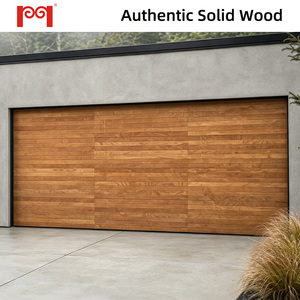
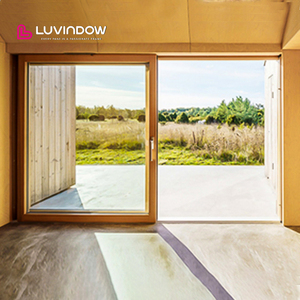
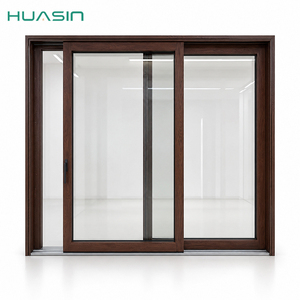
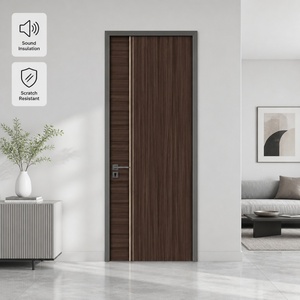
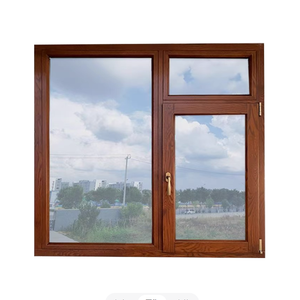
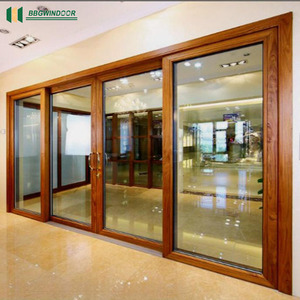
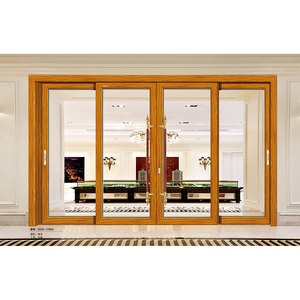

B2B Sourcing Overview: Why China Aluminum Clad Wood Door Manufacturers Lead the Global Market
An in-depth structural, thermal, and economic analysis for international architects, building material importers, commercial developers, and fenestration dealers.
The Structural Paradigm of Aluminum Clad Wood Joinery
Aluminum clad wood (Alu-Clad Timber) doors represent the pinnacle of high-performance architectural fenestration. By pairing an exterior protective armor of extruded 6063-T6 aluminum with an interior core of solid timber (such as German White Oak, Larch, Black Walnut, or Teak), these systems resolve the classic conflict between modern weatherability and natural interior warmth.
While solid timber doors are prone to surface cracking, warping, and moisture degradation under extreme sun and torrential rain, standard thermal break aluminum doors lack the tactile luxury and natural acoustic damping required for high-end residential estates and boutique hospitality projects. Top China aluminum clad wood door factories have solved this structural trade-off through Dynamic Floating Nylon Snap-Clip Connection Systems.
Information Gain: Dynamic Expansion Clip Mechanism
Aluminum and solid wood exhibit vastly different coefficients of thermal expansion. Under direct solar radiation, aluminum expands at approximately 0.023 mm/m·K, whereas timber remains dimensionally static along the grain. Chinese precision factories utilize independent nylon nylon-66 clip locks instead of direct rigid screwing, allowing the exterior aluminum profile to slide independently micro-millimeters while maintaining structural weatherproofing.
Key Takeaway for B2B Importers & Commercial Buyers:
Direct factory sourcing from certified Chinese manufacturers such as SAGA Aluminum Doors & Windows Co., Ltd. yields up to 40-50% cost savings compared to European brands without sacrificing profile wall thickness, EPDM rubber seals, or multi-point hardware durability (utilizing German ROTO or Siegenia gearboxes).
Technical Anatomy of SAGA High-Performance Alu-Clad Wood Doors
Every component is engineered for extreme climate resistance, sound attenuation, and long-term dimensional stability.
1. Exterior Aluminum Shell
Utilizes high-precision 6063-T6 architectural grade aluminum extrusions with a nominal wall thickness of 1.4mm to 3.0mm. Profiles undergo AkzoNobel electro-powder spraying or PVDF fluorocarbon coating to resist salt spray corrosion, acid rain, and color fading under tropical solar exposure.
2. Kiln-Dried Laminated Timber
Interior solid timber (Oak, Pine, Larch, Sapele) is finger-jointed and laminated in 3 to 4 reverse-grain layers. Kiln-drying reduces moisture content to a strictly monitored 8%-12%, neutralizing internal natural stress to guarantee zero twisting or splitting in service.
3. Glass & Thermal Insulation
Standard configuration incorporates double or triple tempered Low-E insulated glass units (IGU) packed with 90%+ Argon gas and Swisspacer warm-edge bars. Achieves exceptional thermal insulation (U-value ≤ 0.8 to 1.3 W/m²K) and acoustic noise reduction up to 42 dB.
Engineering Specification Matrix: Aluminum vs. uPVC vs. Alu-Clad Timber
A objective performance comparison designed to assist architects, specifiers, and procurement officers in material selection.
| Performance / Feature Category | Standard Thermally Broken Aluminum | uPVC Multi-Chamber Profiles | Aluminum Clad Wood Composite (SAGA) |
|---|---|---|---|
| Thermal Conductivity (U-Value) | 1.8 – 2.4 W/m²K | 1.1 – 1.6 W/m²K | 0.75 – 1.2 W/m²K (Passive House Standard) |
| Interior Aesthetic & Tactile Feel | Cold metallic coating; modern industrial finish | Clean synthetic white or foiled woodgrain | Warm natural solid timber finish (Oak/Teak/Pine) |
| Structural Wind Load Capacity | Very High (up to 5000 Pa) | Moderate (requires interior steel reinforcement) | Extremely High (≥ 4500 Pa with 6063-T6 shell) |
| Acoustic Insulation Rating (STC / Rw) | 32 – 36 dB | 35 – 39 dB | 38 – 45+ dB (Natural timber absorbs high frequencies) |
| Exterior Maintenance Cycle | Low (Powder coat every 15-20 yrs) | Very Low (Wipe clean with soap water) | Zero Maintenance Outside (Protective Alu Shield) |
| Ideal Application Environments | High-rise commercial, contemporary villas | Cold climate residential, coastal estates | Luxury private residences, boutique hotels, high-end retreats |
Factory Advantage: SAGA Aluminum Doors & Windows Co., Ltd.
Why international project managers, general contractors, and fenestration wholesalers trust SAGA as their long-term supply chain partner in China.
Strict Quality Assurance & Multi-Standard Compliance
SAGA operates under rigorous ISO9001 factory management standards. Our product line is audited and certified under multiple global fenestration schemes:
- AGWA Australian Audit: Fully compliant with AS2047:2014, AS1288:2021, and NCC 2022 building regulations.
- New Zealand Building Code: Tested to NZS4211:2008 covering clauses B1, B2, E2, F2, G4, G7, and H1.
- North American NAFS Rating: Audited for structural deflection, uniform air leakage, and water penetration resistance.
- Miami-Dade Hurricane Impact: Qualified under TAS 201-94, TAS 202-94, and TAS 203-94 for coastal hurricane zones.
Export Logistics & Safe Ocean Crating Protection
Shipping custom glass-and-wood joinery across oceans requires engineering-grade packaging. SAGA employs a multi-tier protective wrapping protocol:
- Desiccant Moisture Control: Sealed anti-humidity packs inside film wraps to prevent timber moisture absorption during tropical sea transit.
- Heavy-Duty Fumigated Plywood Crates: Reinforced steel-corner framing ensuring zero frame distortion or glass breakage.
- Dual Loading Port Advantage: Direct container dispatch from Fuzhou Port or Xiamen Port in Fujian, China for flexible shipping schedules.
- Turnkey Lead Time: Standardized fabrication cycle of 35 to 50 days from approved shop drawings.
Future Procurement Trends in Aluminum-Clad Wood Fenestration (2026–2030)
Key industry shifts driving global demand for next-generation composite window and door systems.
1. Ultra-Low U-Value & Passive House Directives
With global building energy codes mandating near-zero energy consumption (NZEB), architects are specifying quad-pane glazing, warm-edge spacers, and aerogel-filled alu-clad timber profiles to achieve overall thermal transmittance below 0.8 W/m²K.
2. Ultra-Slim Sightlines & Oversized Openings
Minimalist structural design demands larger glass panes and slimmer timber frames. Modern lift-and-slide alu-clad systems now accommodate panel weights up to 400 kg per sash while keeping interlock sightlines under 50mm wide.
3. Integrated Motorization & Smart Home Automation
High-end B2B clients are ordering pre-wired aluminum clad wood folding and sliding doors with concealed drive motors, electronic multi-point lock actuators, and wind-and-rain smart sensor interfaces compatible with KNX and Zigbee smart home networks.
Procurement & Technical FAQ for Global Buyers
Direct answers from SAGA's senior fenestration engineering team regarding orders, specifications, and logistics.
Request a Factory-Direct Technical Proposal & Quotation
Partner directly with China's leading aluminum clad wood doors exporter. Send your window schedules, architectural drawings, or project specifications today for a detailed engineering estimate within 24 hours.