High-Performance Architectural Windows & Exterior Doors
Tested and certified joinery solutions engineered for extreme thermal efficiency, structural resilience, and acoustic isolation.
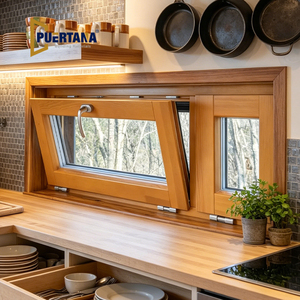
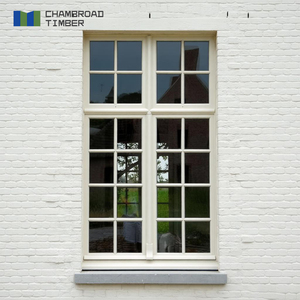
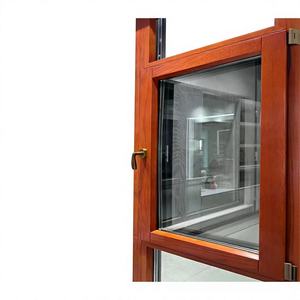
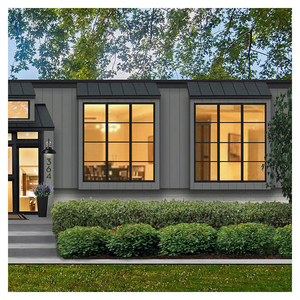
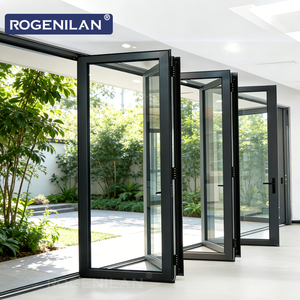
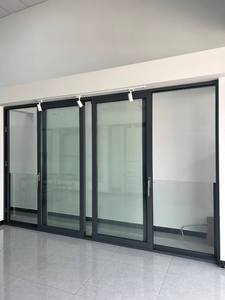
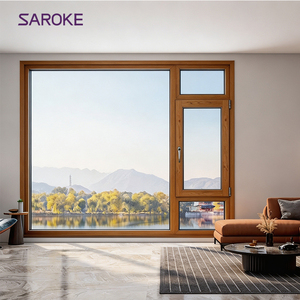
Aluminium-Wood Composite Engineering
Combining the organic warmth of interior furniture-grade Red Oak, Larch, or Pine with an exterior structural protective shield of extruded powder-coated aluminium alloy.
Global Regulatory Compliance
Pre-engineered joinery certified for Australian AS2047/AS1288, New Zealand NZS4211, North American NAFS standards, and Florida Miami-Dade High-Velocity Hurricane Zones.
Thermal Break & Acoustic Seals
Integrated Technoform multi-chamber polyamide thermal barriers paired with triple-sealed EPDM gaskets to minimize thermal bridge effect and drop noise by up to 45 dB.
Technical Whitepaper: Aluminium & Wood Fenestration Engineering for Modern Architecture
The global construction landscape is currently undergoing a structural transformation driven by stringent energy efficiency codes, net-zero carbon directives, and heightened occupant demands for natural aesthetic integration. Modern architectural joinery is no longer viewed as a passive envelope filler, but as a critical thermal and structural membrane. Among structural systems, aluminium-clad wood (clad timber) and aluminium-wood composite windows and doors represent the absolute pinnacle of high-performance fenestration technology, delivering unmatched mechanical durability, biophilic interior warmth, and ultra-low U-values.
1. Material Physics and Hybrid Joinery System Architecture
Traditional single-material window frames present inherent physical trade-offs. Unreinforced timber frames deliver exceptional natural insulation thermal coefficients, but are susceptible to UV radiation, moisture absorption, warp deformation, and high maintenance costs when exposed directly to weather elements. Conversely, raw extruded aluminium profiles offer superior structural moment of inertia, structural span capacity, and resistance to environmental degradation, but possess high natural thermal conductivity (λ ≈ 160 W/m·K).
High-end manufacturing resolves these physical constraints through structural cladding technology. In an aluminium-clad wood window system, the inner load-bearing frame consists of multi-layer laminated solid wood (such as North American Red Oak, German Larch, or Pine), while the exterior structural face is isolated behind an independent extruded aluminium profile (6063-T5/T6 grade, minimum 1.8mm to 2.0mm wall thickness).
Engineering Information Gain: The structural attachment between the exterior aluminium cladding and interior timber core is executed using floating nylon snap clips. This design accounts for the vast differential coefficient of thermal expansion between wood (α ≈ 4-5 × 10⁻⁶/K) and aluminium (α ≈ 23 × 10⁻⁶/K), eliminating structural warping, internal stress shear, and frame joint separation over decades of thermal cycling.
2. Thermal Performance Metrics and Passive House Standard (PHI) Compliance
For high-performance residential and commercial developments aiming for Passive House (Passivhaus) certification or high STAR ratings in Australia/New Zealand, thermal transmittance ($U_w$) must be kept below strict threshold metrics:
| Joinery System Type | Typical Frame U-Value ($U_f$) | Glazing Specification | Overall Window U-Value ($U_w$) | Acoustic Isolation ($R_w$) |
|---|---|---|---|---|
| Standard Non-Thermal Aluminium | 5.8 - 6.5 W/m²K | 6mm Single Toughened Clear | 5.2 - 5.8 W/m²K | 28 - 30 dB |
| Thermally Broken Aluminium (24mm Strip) | 2.2 - 2.8 W/m²K | 5+12Ar+5 Double Low-E | 1.6 - 2.1 W/m²K | 35 - 38 dB |
| Aluminium-Clad Timber (Solid Oak Core) | 1.1 - 1.4 W/m²K | 5+14Ar+5+14Ar+5 Triple Low-E | 0.75 - 0.95 W/m²K | 42 - 46 dB |
| Passive House Certified Wood-Aluminium System | 0.72 - 0.85 W/m²K | 4-16Ar-4-16Ar-4 Vacuum-Argon Low-E | ≤ 0.78 W/m²K | 45 - 48 dB |
To achieve $U_w$ values under 0.8 W/m²K, our export factories integrate 34mm wide Technoform multi-chamber polyamide insulation bars (PA66GF25 reinforced with 25% glass fiber) alongside triple-glazed insulated glass units (IGUs) incorporating warm-edge Swisspacer technology and 95%+ Argon gas filling.
3. Global Testing Standards & Structural Resistance Mechanics
Exporting window and door products globally requires compliance verification across disparate regional building authorities. Trusted manufacturers must subject their system lines to independent laboratory testing:
- Australian & New Zealand Compliance (AS2047 / AS1288 / NZS4211): Fenestration products undergo rigorous deflection testing under extreme wind pressures ($P_s$ up to 3000 Pa), water penetration resistance ($P_w$ up to 600 Pa), and air infiltration testing (< 0.5 L/s·m²). Glazing selection strictly adheres to AS1288 human impact safety requirements.
- North American Fenestration Standard (NAFS / AAMA / WDMA / CSA): Verification of structural design pressure (DP rating), forced-entry resistance, hardware cyclic operating endurance, and sash vertical sag deflection under load.
- Florida Miami-Dade County Hurricane Standards (TAS 201, 202, 203): Designed for High-Velocity Hurricane Zones (HVHZ), heavy-gauge impact-resistant aluminium-clad casement and fixed systems are hit with large missile impacts (9-lb 2x4 lumber fired at 50 ft/s) followed by 9,000 cycles of positive and negative pressure loading.
4. Strategic Procurement Trends: What Global Importers & Developers Need to Know (2025–2030)
When sourcing custom aluminium and wood joinery directly from Chinese manufacturing hubs, B2B procurement teams must look beyond initial unit cost and evaluate total life-cycle value, factory engineering capacity, and risk mitigation strategies:
A. Carbon Accounting & Environmental Product Declarations (EPD): Leading European and North American developers now require EPD certification detailing embodied carbon metrics. Solid timber harvested from FSC/PEFC certified sustainable forestry acts as a carbon sink, significantly lowering the total Carbon Footprint of the building envelope compared to pure steel or PVC alternatives.
B. Factory Automation & Precision CNC Milling: High-precision joinery requires automated 5-axis German CNC machining centers (such as WEINIG or HOMAG) for timber profile processing. This guarantees dimensional tolerances within ±0.1mm, ensuring flawless corner joint sealing, mortise-and-tenon alignment, and multi-point hardware alignment.
C. Integrated Surface Finishing Technology: Exterior aluminium extrusion surfaces are treated with AkzoNobel or PPG Interpon fluorocarbon (PVDF) powder coatings or anodic oxidation layers resistant to salt-spray corrosion (tested over 3,000 hours in salt chamber environment). Interior timber surfaces utilize eco-friendly water-based German Remmers or Sikkens coatings that preserve natural wood breathability while blocking VOC emissions.
Frequently Asked Questions for Project Sourcing
Technical and logistical guidance for builders, certifiers, and import agents.
What types of buyers does SAGA supply custom windows and doors to?
We work directly with wholesalers, building material dealers, commercial builders, residential project developers, installation contractors, and architectural firms. Each order receives tailored shop drawings matching local building code mandates.
What is the typical production lead time for customized orders?
Standard manufacturing lead time ranges from 35 to 50 days following final sign-off on shop drawings and color sample confirmation. Freight transit time varies based on ocean shipping routes to destination ports (e.g., Sydney, Los Angeles, Hamburg).
Can SAGA supply window samples for certifier or buyer evaluation?
Yes. We regularly manufacture standard or custom section corner samples and full-size sample windows for laboratory testing or client sign-off. Sample production is provided free of charge, with courier/freight fees covered by the client.
What engineering and technical drawing support is included?
Every commercial or residential order includes complete structural CAD section details, elevation schedules, wall-junction flashing diagrams, and engineering calculations for structural wind load compliance prior to material extrusion.
Do your windows comply with Australian (AS2047) and New Zealand (NZS4211) codes?
Yes. Our joinery systems are fully audited and certified under the AGWA compliance program covering AS2047:2014, AS1288:2021, and NCC 2022. For New Zealand, our certificates validate compliance with Building Code clauses B1, B2, E2, F2, G4, G7, and H1 energy efficiency requirements.
What port of loading is utilized for overseas container shipping?
All bulk export containers are packed, secured on heavy-duty wooden/steel pallets, and shipped directly from Fuzhou Port or Xiamen Port in Fujian Province, China.
What payment terms and trade protection methods are available?
We accept standard wire transfers (T/T bank transfer) with structured milestone payments (deposit upon shop drawing approval, balance post-QC inspection prior to container loading) as well as Alibaba Trade Assurance protection.
What timber species and exterior coating options can be specified?
Interior timber options include North American Red Oak, German Larch, Teak, and Pine with custom stain or water-based polyurethane finishes. Exterior aluminium profiles can be powder-coated in any RAL shade, anodized, or finished with PVDF fluorocarbon coatings.
Ready to Engineer Your Project's Window & Door Schedule?
Connect with our senior fenestration engineers to receive architectural drawings, acoustic/thermal calculation reports, and factory-direct pricing for your upcoming development.