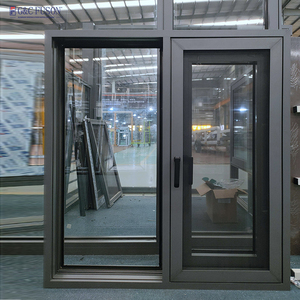
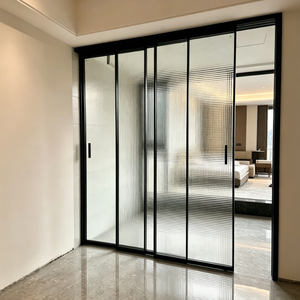
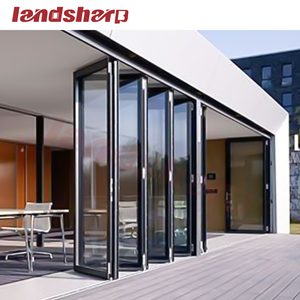
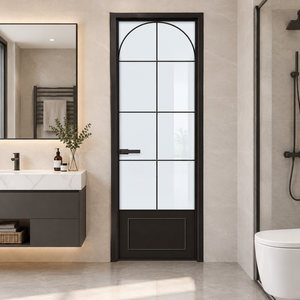
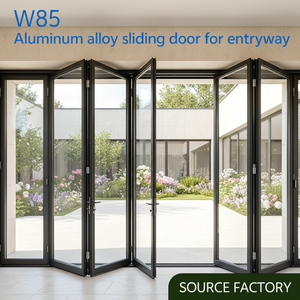
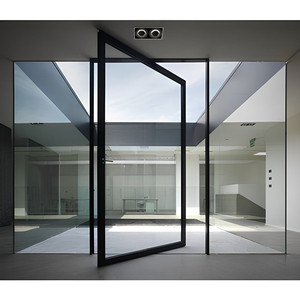
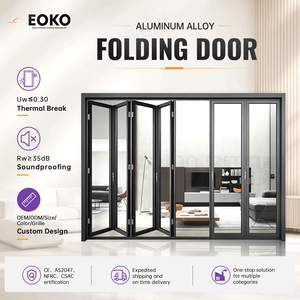
High-Performance Portfolio
Featured Commercial Fire Exit & Architectural Joinery Systems
Tested to rigorous international standards (AS2047, NZS4211, NAFS, Miami-Dade, BS 476, and EN 1634), engineered for maximum structural safety and aesthetic integration.
1. Executive Summary: The Architectural Evolution of Commercial Fire Exit Doors
In modern high-density commercial, institutional, and industrial architectural design, emergency egress joinery serves as the critical line of defense between building occupants and structural hazards. Historically dominated by heavy, aesthetically industrial hollow metal steel doors, the fire egress industry has undergone a radical paradigm shift toward precision-engineered extruded aluminium fire exit door systems. Commercial developers, structural engineers, and principal architects increasingly demand fire containment solutions that unify life-safety compliance, structural durability, corrosion resistance, acoustic insulation, and high-end aesthetic integration.
Aluminium fire exit doors offer an exceptional strength-to-weight ratio, allowing for expansive glass vision panels, slim frame sightlines, and effortless mechanical operation during emergency evacuations. Modern fire-rated aluminium assemblies utilize advanced insulated multi-chamber profiles, high-performance intumescent perimeter seals, heat-resisting ceramic composite cores, and panic hardware certified to international standards including BS 476, EN 1634, UL 10C, NFPA 252, and Australian AS 1905.1.
Key Engineering Gain: Unlike traditional steel assemblies susceptible to environmental oxidation and rapid heat conduction, thermally broken aluminium fire exit doors provide high structural rigidity while preventing radiant heat transfer, ensuring safe tactile access to panic hardware during fire evacuation scenarios.
As a premier factory-direct manufacturer, SAGA Doors & Windows bridges the gap between stringent life-safety regulations and modern architectural elegance. By engineering custom-extruded aluminium frames, fully integrated panic hardware, magnetic release systems, and certified fire-resistant glass, SAGA delivers turn-key OEM/ODM fenestration and door solutions tailored to regional building codes across North America, Europe, Australia, New Zealand, and the Caribbean.
2. Technical Standards & Regulatory Compliance Matrix
Procuring commercial fire exit doors requires precise alignment with regional building codes and safety regulations. Global fire resistance criteria evaluate door assemblies on two fundamental physical metrics: Integrity (E), which measures the door's capacity to block flames and hot toxic gases, and Insulation (I), which measures the door's ability to restrict temperature rise on the non-fire unexposed surface.
| Regulatory Body / Standard |
Target Jurisdiction |
Fire Rating Classes |
Core Testing Parameters |
Key Hardware Integration |
| BS 476 Part 22 / EN 1634-1 |
UK, Europe, Middle East, Asia |
E30, E60, EI30, EI60, EI90, EI120 |
Positive fire pressure, heat radiation threshold (< 15 kW/m²), smoke containment (Sa / S200) |
EN 1125 Panic Exit Bars, EN 1154 Door Closers, Intumescent Drop Seals |
| UL 10C / NFPA 252 |
United States, Canada, Caribbean |
20 Min, 45 Min, 60 Min, 90 Min, 180 Min |
Positive pressure fire exposure followed immediately by high-velocity solid stream Hose Stream Test |
ANSI Grade 1 Rim Panic Devices, Heavy-Duty Electric Strikes, Labeled Fire Glass |
| AS 1905.1 / AS 1530.4 |
Australia, New Zealand |
-/30/30 to -/120/120 FRL |
Structural adequacy, integrity, and thermal insulation under AS 1530.4 furnace heat curves |
AGWA Audited Joinery, Automatic Drop Down Smoke Seals, Self-Closing Pivots |
| Miami-Dade TAS 201/202/203 |
Coastal Florida, Hurricane Zones |
Impact & Cyclic Wind Rated |
Large Missile Impact (9-lb 2x4 lumber at 50 fps) combined with 9,000 cyclic pressure loadings |
Multi-Point Deadlocking Panic Latch, Laminated Impact Safety Glass |
In addition to strict fire resistance testing, commercial fire egress installations frequently intersect with structural wind load and energy efficiency standards. SAGA's aluminium joinery and doors hold comprehensive certifications under the Australian Glass and Window Association (AGWA) for AS2047:2014, AS1288:2021, and NCC 2022 compliance, alongside audited compliance for New Zealand Building Code NZS4211:2008 (Clauses B1, B2, E2, F2, G4, G7, H1) and North American NAFS standards. This multi-certified manufacturing pipeline ensures seamless compliance sign-off for principal contractors and certifiers.
3. Anatomy & Material Engineering of Aluminium Fire Exit Doors
Achieving structural stability under severe fire exposure (exceeding 1,000°C in standard ISO 834 fire test curves) requires advanced material science and profile design. Standard untreated aluminium alloys possess a melting point around 660°C; therefore, fire-rated aluminium exit door frames are constructed using a specialized composite architecture:
6063-T6 High-Grade Extrusions
Heavy-walled, precision-extruded aluminium profiles providing high tensile strength and rigid structural support for heavy traffic commercial entry and emergency exit corridors.
Internal Fire-Proof Insulating Cores
Hollow chambers inside the aluminium profile are densely packed with non-combustible calcium silicate, magnesium hydrate, or reinforced ceramic composite inserts that absorb thermal energy and maintain frame integrity.
Intumescent Smoke & Heat Seals
Perimeter gasket channels feature high-expansion intumescent graphite strips that expand up to 25 times their original volume when temperatures hit 180°C, hermetically sealing gaps against smoke, heat, and flame propagation.
Fire-Rated Ceramic Safety Glazing
Single or double-glazed panels utilizing multi-layer laminated clear ceramic fire glass with clear intumescent interlayers that transform into a rigid, opaque thermal heat shield during fire incidents.
Certified Egress Panic Hardware
Full integration with grade-1 single-point, two-point vertical rod, or rim push-bar panic release mechanisms ensuring immediate unlatching under single-push mechanical action (< 66 N force).
Polyamide PA66 GF25 Thermal Breaks
High-density 25% glass-fiber reinforced polyamide struts connect inner and outer profile extrusions, delivering superior U-values, energy efficiency, and condensation resistance.
4. Future Procurement Trends in Commercial Fire Exit Systems (2025–2030)
As smart building automation, carbon reduction targets, and updated life-safety directives reshape commercial construction, procurement managers and architects must anticipate key industry trends:
A. Integration with Smart IoT & Automated Building Management Systems (BMS)
Modern commercial developments increasingly mandate electromechanical fire exit assemblies linked directly to localized fire alarm control panels (FACP). Under normal operating conditions, these doors maintain security via access control keypads, biometric scanners, or proximity sensors. Upon fire alarm trigger signals, magnetic hold-open devices release instantly, and heavy-duty concealed drop seals engage, isolating smoke zones while unlocking panic exit bars for unhindered egress.
B. Sustainability & Carbon Neutrality (Low-Carbon Aluminium Profiles)
Global developers are enforcing strict Environmental Product Declaration (EPD) requirements. SAGA leads the industry by utilizing high-percentage post-consumer recycled primary aluminium extruded using hydroelectric energy sources. This dramatically reduces the embodied carbon footprint of window and door frames without compromising alloy tensile performance or fire resistance profiles.
C. Acoustic-Fire Dual Certification (STC / R'w Ratings)
In multi-family residential, hotel corridors, healthcare facilities, and educational campuses, emergency exit doors must simultaneously satisfy fire separation and sound isolation mandates. Next-generation aluminium fire exit doors feature specialized multi-layer acoustic laminated glazing and heavy-duty dual drop-down bottom seals, achieving acoustic isolation ratings of STC 40 to STC 45+ while maintaining EI60 fire protection.
5. SAGA Doors & Windows: Enterprise OEM/ODM Manufacturing Excellence
SAGA Aluminum Doors & Windows Co., Ltd. operates a world-class manufacturing facility located in the Tieling Technical and Economic Development Zone, Fuzhou, Fujian, China. With 16+ years of specialized export experience, SAGA has established itself as the trusted direct factory manufacturing partner for commercial builders, developers, window wholesalers, and architects across more than 25 countries.
Bespoke Shop Drawings & BIM Support
Every commercial order receives complete structural CAD shop drawings, section details, structural wind load calculations, and BIM models tailored to specific project site elevations and code certifier submittals.
Precision CNC Manufacturing Line
Our automated production facilities feature multi-axis CNC machining centers, automated corner crimping, continuous intumescent slotting, and robotic glazing lines ensuring tight tolerances (±0.5mm) on every assembly.
Rigorous Pre-Shipment Quality Assurance
100% of custom door assemblies undergo trial factory assembly, sash squareness verification, seal compression testing, hardware function checks, and protective crate packaging prior to port departure.
Dual Deep-Water Port Logistics
Direct export loading from Fuzhou and Xiamen ports ensures flexible ocean freight scheduling, optimized container loading density, and shortened transit times to global destination ports.
6. Frequently Asked Questions (FAQ) for B2B Procurement
Which types of buyers does SAGA supply custom windows and fire exit doors to?
We supply commercial wholesalers, window and door dealers, general contractors, property developers, architects, and specialty trade installers. Every order is matched with tailored technical drawings, window schedules, and certification submittal packs designed for local council or building certifier sign-off.
What fire rating durations and glass options can SAGA supply?
SAGA manufactures custom aluminium door systems with fire resistance ratings ranging from 30 minutes (EI30) up to 120 minutes (EI120) under BS 476 / EN 1634 standards, as well as UL-listed assemblies. Glazing choices include clear fire-resistant ceramic safety glass, double-glazed insulated units, and wire-reinforced safety glass.
Are panic push bars, door closers, and drop seals pre-installed?
Yes. All hardware mortising, hinge reinforcement plates, drop-seal channels, and panic bar mounting points are factory CNC-machined. Hardware is either pre-installed or pre-fitted and packed alongside shop assembly diagrams to guarantee effortless on-site installation.
What is the standard production lead time for custom B2B orders?
Standard factory production lead time is typically 35 to 50 days following shop drawing approval and deposit confirmation. Expedited production schedules are available for time-sensitive commercial contracts.
Can SAGA supply a physical window or frame sample for quality evaluation?
Yes. SAGA provides sample corner sections, profile finish swatches, and standard-size window/door samples for quality inspection, structural testing, and client presentation. Sample units are complimentary; buyers simply cover international express freight costs.
How do SAGA exit doors comply with Australian, New Zealand, and US building codes?
Our manufacturing facility and product lines hold third-party audited compliance certificates under the AGWA program for AS2047:2014, AS1288:2021, and NCC 2022. Furthermore, our joinery meets NZS4211:2008, North American NAFS standards, and Miami-Dade TAS 201/202/203 hurricane impact requirements.
What payment methods and trade terms are supported?
We accept T/T bank transfers and Alibaba Trade Assurance. Standard commercial trade terms include FOB (Fuzhou/Xiamen), CFR, CIF, and DDP (Delivered Duty Paid) based on project requirements.
What surface finishes and powder coating options are available?
SAGA offers high-durability fluorocarbon (PVDF) coatings, AkzoNobel architectural powder coatings, anodized finishes (up to 25 microns), and realistic heat-transfer woodgrain finishes engineered to withstand harsh UV and coastal salt-spray environments.