Featured Architectural Aluminium & Security Entry Door Series
Direct factory manufacturing tested under AS2047, NZS4211, NAFS, and Miami-Dade TAS performance guidelines.
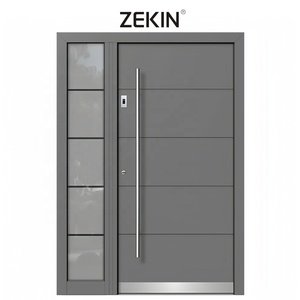
Luxury Modern Front Entry Doors Anti-theft Bulletproof Exterior Front Security Entry Door High Quality Front Entrance Door
Send an Inquiry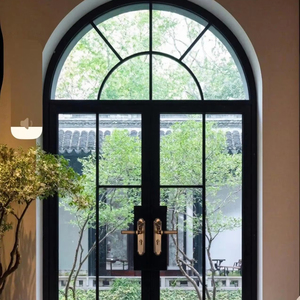
Factory Custom Aluminum Alloy Single & Double French Hinged Casement Door Swing Type Anti-Theft Feature for Bathroom Entry Use
Send an Inquiry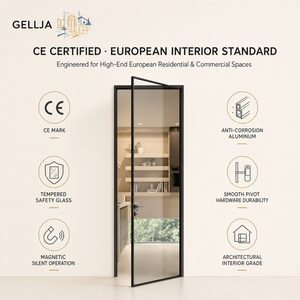
Modern French Design Narrow Frame Aluminum Glass Vertical Hinged Door For Interior Kitchen Bedroom Exterior Patio Bathroom
Send an Inquiry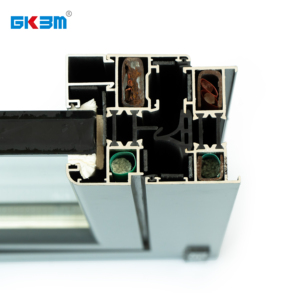
China GKBM Anthracite Grey Double-glazing Thermal Break Aluminum Casement Window
Send an Inquiry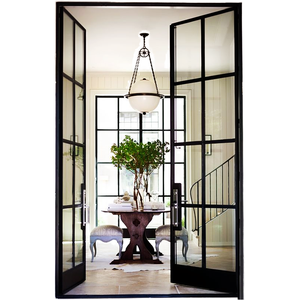
Custom Aluminum Exterior French Door with Tempered Glass Modern Balcony French Swing Door
Send an Inquiry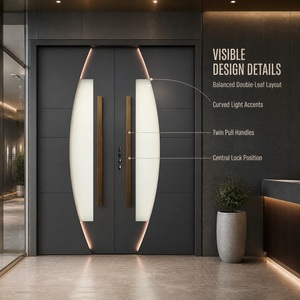
Hot Sale Thermal Break Aluminum Metal Door with Insulated Glass for Villa Main Entrance
Send an Inquiry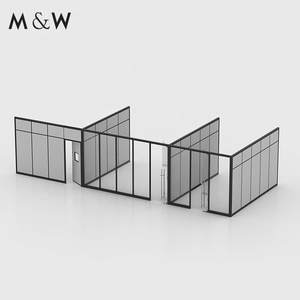
M&W Furniture Luxury Panel Glass Divider Modular Wall Clear Aluminium Soundproof Office Partition
Send an Inquiry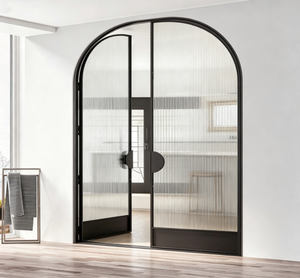
Modern Indoor Aluminum Alloy Glass Door, Waterproof and Soundproof, Suitable for Home and Office Use
Send an InquiryExecutive Summary: The Evolution of Main Door Security & Aluminium Mesh Systems
Modern architectural fenestration has undergone a radical transformation over the past decade. Traditional main entry doors—historically reliant on heavy, solid timber or prone-to-corrosion wrought iron grilles—are increasingly being replaced by high-performance aluminium mesh main door systems. For commercial developers, volume home builders, and architectural hardware importers, identifying top trusted aluminium mesh door manufacturers & factories is no longer merely a pricing exercise; it is a critical step in risk management, structural integrity, and regulatory compliance.
High-security aluminium main door mesh assemblies bridge the gap between uncompromising physical barrier defense, optical transparency, acoustic attenuation, and natural climate ventilation. Powered by structural extruded aluminium alloy frames (primarily 6063-T5 and 6061-T6 grades) and integrated with high-tensile 304 or 316 marine-grade stainless steel woven screens, these systems offer unprecedented resistance against forced entry, atmospheric corrosion, dynamic wind impacts, and bushfire exposure.
Information Gain Insight: Structural aluminium mesh security doors provide up to 45% better airflow coefficient compared to traditional security glass doors, while meeting rigorous AS5039 knife-shear and dynamic impact testing standards without obstructing pristine architectural sightlines.
As international building codes (such as Australia’s NCC 2022 / AS2047, New Zealand’s NZS4211, and North America’s NAFS / Miami-Dade hurricane standards) impose stricter requirements on air infiltration, water penetration resistance, and structural deflection, tier-one manufacturers must possess vertically integrated production capabilities. This whitepaper analyzes the engineering foundations, emerging sourcing trends, material innovations, and evaluation metrics required to partner with leading global window and door production facilities.
Enterprise Advantages: Technical Capabilities & Institutional E-E-A-T
When procuring custom aluminium mesh main door systems from overseas manufacturing facilities, institutional buyers require verifiable evidence of manufacturing rigor, testing compliance, and operational scale. Operating out of Minhou County, Fuzhou, Fujian, China, SAGA Aluminum Doors & Windows Co., Ltd. represents the apex of factory-direct OEM/ODM contract manufacturing with over 16 years of dedicated export experience.
1. Vertically Integrated Precision Manufacturing
Top-tier factories operate complete internal value chains. From raw aluminum billet melting, profile extrusion, thermal break insertion (utilizing Polyamide PA66-GF25 structural struts), to multi-axis CNC machining, deep-hole drilling, automated corner crimping, and electro-powder coating lines (AkzoNobel Interpon & Dulux approved applicators), every step is conducted under strict ISO9001 quality management standard protocols.
2. Comprehensive International Accreditation
Exporting fenestration solutions across Australia, New Zealand, North America, the Caribbean, and Europe requires rigorous third-party validation. SAGA maintains continuous compliance audits across key international standards:
AS2047 & AS1288 Certified
Audited under the AGWA compliance program. Engineered for Australian NCC 2022 wind loading, water tightness, and glass safety specifications.
NZS4211 Compliance
Full verification covering New Zealand Building Code clauses B1 (Structure), B2 (Durability), E2 (External Moisture), and H1 (Energy Efficiency).
Miami-Dade Hurricane Tested
Validated under severe storm impact testing protocols TAS 201-94, TAS 202-94, and cyclic wind loading TAS 203-94 for coastal hurricane zones.
Logistical flexibility is further enhanced through direct proximity to major deep-water ocean ports in Fuzhou and Xiamen, enabling streamlined container loading, customized steel-frame palletizing, and protective wood-crate packaging designed to eliminate transit damage.
Technical Anatomy & Material Engineering Matrix of Aluminium Mesh Doors
Understanding the internal engineering matrix of modern security mesh entry systems is crucial for project specifiers and purchasing directors. An aluminium mesh main door functions as a compound mechanical assembly designed to withstand mechanical attack, weather exposure, and structural fatigue.
| System Component | Standard Commercial Grade | High-Security Architectural Grade (SAGA Standard) | Engineering Benefit & Performance Gain |
|---|---|---|---|
| Profile Extrusion | Standard 6063-T5 (1.4mm wall thickness) | Heavy-Duty 6063-T6 / 6061-T6 (2.0mm–3.0mm wall) | +40% tensile strength; prevents frame twist during impact attacks. |
| Security Mesh Screen | Standard Aluminum Wire or 201 Stainless Steel | 304/316 Marine Grade Stainless Steel (0.8mm-1.0mm wire) | High resistance to knife shear, salt corrosion, and crowbar intrusion. |
| Mesh Retention System | Plastic Wedge / Glue Bead | Patented Aluminum Pressure Grip & Screw-Clamped Wedge | Distributes impact force evenly across frame perimeter; zero mesh pull-out. |
| Thermal Insulation | Non-Thermally Broken Frame | Polyamide PA66-GF25 Thermal Break Insulating Barrier | Prevents thermal bridging, reduces U-Factor, and improves HVAC efficiency. |
| Locking Hardware | Single-Point Mortise Lock | 3-Point or 5-Point Multi-Locking System (ROTO / Kinlong) | Locks frame simultaneously at top, middle, and bottom; anti-jacking. |
| Surface Finish | Basic Liquid Spray Paint | Fluorocarbon (PVDF) / AkzoNobel Powder (3000h Salt Spray) | Superior UV color retention and anti-chalking in high-salinity coastal areas. |
Woven Mesh vs. Expanded Mesh Mechanics
Factories primarily produce two variations of security mesh inserts. Woven Stainless Steel Mesh utilizes high-tensile 0.8mm to 1.0mm wire woven in an 11-mesh density pattern. This creates an optical effect of high transparency while acting as an impenetrable physical barrier. Expanded Aluminium Mesh, punched from solid structural sheet aluminum, provides a robust, cost-effective alternative ideal for high-traffic multi-family developments and budget-conscious commercial builds.
Future Global Procurement Trends (2025–2030)
The global demand for high-end main door entrance systems is shifting rapidly. B2B procurement managers and architectural buyers must align their supply chains with four major macro-trends defining the next decade of residential and commercial construction:
1. Smart Access & Biometric Hardware Integration
Main security mesh doors are evolving into smart home hubs. Modern profile extrusions feature internal wiring channels to seamlessly integrate biometric fingerprint scanners, facial recognition cameras, motorized multi-point locks, and video doorbells within ultra-slim stile profiles.
2. High-Performance Thermal & Acoustic Barrier Combination
Driven by strict net-zero carbon building regulations, developers are opting for dual-frame main doors: an exterior heavy-duty stainless steel security mesh door paired with an interior thermally broken insulated glass entry door. This dual setup delivers maximum security, airflow, acoustic isolation, and energy savings.
3. Bushfire & Extreme Weather Resilience
Climate volatility is increasing the specification of bushfire-rated doors (such as AS3959 BAL-40 and BAL-FZ in Australia) and high-velocity hurricane impact doors in coastal zones. Structural aluminium mesh acts as a secondary ember shield, preventing burning debris from compromising interior glass panels.
4. Modular Prefabricated Unitized Assembly Supply Chains
To reduce expensive site labor costs in North America, Australia, and Europe, commercial contractors now demand pre-hung, fully assembled door kits. Leading manufacturers supply main aluminium mesh doors pre-installed inside outer frame sub-assemblies, complete with factory-fitted locks, pre-drilled fixing flanges, and specialized perimeter weather seals ready for immediate site installation.
Product & Technical Development Trends
To retain competitive advantage, manufacturing factories are heavily investing in research and development. Key industrial development trajectories include:
Minimalist Sightlines & Concealed Hardware
Modern architectural design favors ultra-narrow frames and maximum visual openness. Next-generation aluminium mesh doors feature ultra-slim profile face widths (as thin as 18mm to 25mm), concealed 180-degree heavy-duty stainless steel hinges, and flush-mounted lock levers, maintaining structural rigidity through deeper multi-chamber extrusion geometries.
Advanced Electrostatic Powder Coating & Anodizing
Surface treatment technology now allows for realistic natural timber grain finishes (achieved via heat-transfer sublimation) alongside high-durability matte metallic powders. Electro-deposition primers (EPD) applied beneath powder coatings provide unmatched protection against filliform corrosion in marine environments.
Low-Carbon Recycled Aluminium Billets
Institutional buyers prioritizing ESG metrics prefer manufacturers using low-carbon primary aluminium smelted using hydroelectric power, or profiles incorporating up to 75% recycled scrap aluminum. This significantly lowers the embodied carbon footprint of large-scale commercial developments.
Comprehensive B2B Sourcing FAQ: Aluminium Mesh Doors
Below are detailed answers to technical and operational questions frequently raised by window importers, commercial builders, and project architects during factory evaluation.
Ready to Upgrade Your Door & Window Supply Chain?
Partner directly with a certified manufacturer. Request technical shop drawings, competitive factory pricing, and certified product samples for your upcoming residential or commercial projects.