Featured Industrial & Residential Aluminium Shed Entry Systems
Precision-engineered for structural rigidity, weatherproofing, and smooth mechanical operation. Every model is fully customizable to structural wind loads, thermal parameters, and architectural aesthetics.
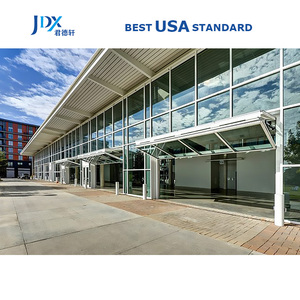
Aluminium Sectional Folding Garage Door 16x8 Overhead Carriage Gate Insulated Fold up Garage Doors
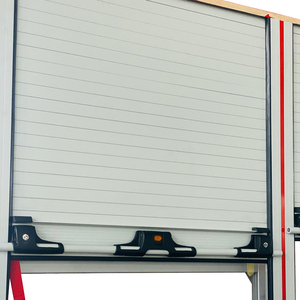
Best Priced Aluminum Roll-Up Doors for Cabinets Garages Sheds-Firefighting Equipment & Accessories
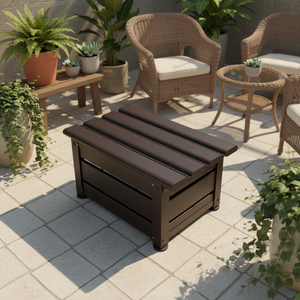
Durable Heavy Duty Aluminum Eco-Friendly Outdoor Garden Storage Shed Lockable Door Weather Resistant UV Protection Customizable
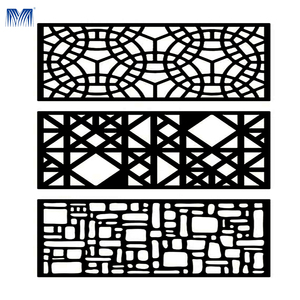
New Design Outdoor Metal Perforated Sliding Door 3D Laser Engraving Durable Waterproof Aluminum Sliding Door for Hotel
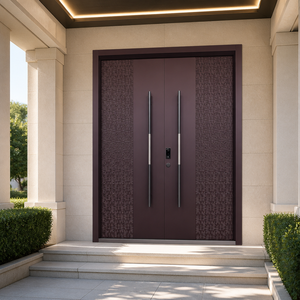
Custom Cast Aluminum Double Entry Door with Fret Relief Panel and Smart Lock for Penthouse Suite
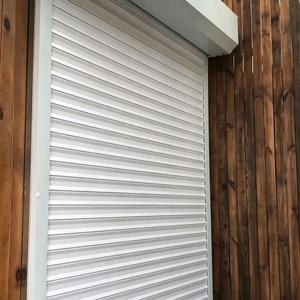
Custom Garage Aluminum Door Roll Windproof Modern Design Door Anti Theft Roller Shutter for Factory Warehouse Farmhouse
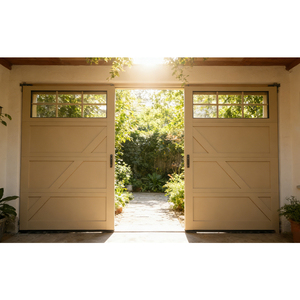
Design Insulated Aluminum Panels 16ft Barn Style Door Modern Styles Custom Overlay Garage Door for Outdoor Warehouse Villa Use
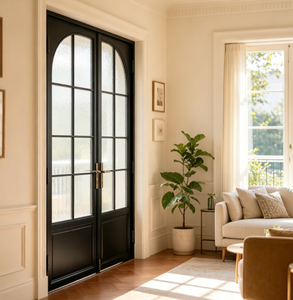
Villa Aluminum Glass French Door, High Quality Black Frame, Waterproof & Quiet, Custom Size for Hotel & House Project, Wholesale
Technological Architecture of Modern Aluminium Shed & Industrial Enclosure Doors
As global building standards shift toward stringent thermal envelope performance and extreme storm resilience, conventional steel and wooden shed doors are rapidly being replaced by advanced extruded aluminium systems.
Structural Alloy Integrity & Extrusion Precision
Our aluminium shed doors are manufactured using premier grade 6063-T6 and 6005-T6 architectural aluminium alloys. Compared to standard mild steel or thin-gauge sheet metals, extruded aluminium offers an outstanding strength-to-weight ratio, eliminating sag in wider span openings up to 16 feet. Heavy-wall extrusions ensure resistance to permanent structural deflection under extreme wind loads, making them ideal for coastal environments, agricultural facilities, and heavy-duty storage sheds.
Thermal Barrier Polyamide Strip Technology
Uninsulated metal doors create severe thermal bridges, resulting in interior condensation, structural corrosion, and energy loss. SAGA integrates high-density PA66GF25 polyamide thermal breaks between interior and exterior aluminium extrusions. Combined with polyurethane foam-filled sandwich panel cores or double-glazed Low-E glass inserts, our insulated overhead and folding shed doors lower overall thermal transmittance (U-factors) to as low as 1.2 W/m²K.
Advanced Surface Coatings & Corrosion Resistance
Exposure to severe UV rays, high humidity, and airborne salt spray demands superior surface treatment. We utilize AkzoNobel PVDF fluorocarbon coatings and Qualicoat Class 2 standard powder coatings, verified through rigorous 3,000-hour neutral salt spray (ASTM B117) testing. This guarantees that frame surfaces will not chalk, blister, peel, or corrode, retaining structural and cosmetic integrity even in aggressive harsh oceanfront zones.
Multi-Point Locking & Security Engineering
Industrial storage sheds and commercial facilities house high-value assets, requiring robust entry defense. Our custom doors feature integrated multi-point gearboxes, heavy-duty stainless steel drop bolts, anti-pick cylinder locks, and anti-tamper roller shutter guides. Whether applied to compact roll-up storage units or expansive carriage folding gates, maximum anti-theft security is guaranteed.
Future Procurement Trends in Commercial & Shed Door Systems
Global B2B buyers, architectural specifiers, and commercial contractors are recalibrating their supply chain preferences. Here are the core forces shaping aluminium shed door procurement over the coming decade.
1. High-Speed Automation & Smart Telemetry
Modern logistics hubs and high-end residential storage complexes are moving rapidly toward smart automated access. Demand for aluminium roll-up and folding doors integrated with commercial-grade motorized drives, smart sensor loops, app-based remote controls, and automated access logging has surged by over 40% year-over-year.
2. Prefabricated Modular Compatibility
With off-site prefabrication and modular steel frame buildings dominating commercial construction, door systems must feature pre-drilled fixing flanges, modular sub-frames, and standardized site assembly tolerances. This reduces installation labor on-site by up to 60%, drastically compressing project build schedules.
3. Extreme Weather Compliance Certification
Severe weather events have led certifiers in North America, Australia, and coastal regions to demand rigorous structural compliance. B2B buyers now prioritize doors independently tested for wind load resistance up to AS2047 / NAFS standards and Miami-Dade TAS 201/202/203 missile impact standards.
Aluminium Shed Door Performance & Material Matrix
An engineering side-by-side comparative analysis of structural materials commonly specified for commercial shed, garage, and auxiliary building entry systems.
| Performance Specification | Architectural Aluminium (6063-T6) | Standard Galvanized Steel | Solid Hardwood / Timber |
|---|---|---|---|
| Structural Weight / Load Ratio | Exceptional (Lightweight, High Strength) | Heavy (High strain on hinges/motors) | Heavy (Prone to warping and sag) |
| Corrosion Resistance (C4/C5 Coastal) | Immune to Rust (Anodized / PVDF Coated) | Moderate (Rusts once zinc layer breaks) | Poor (Rots, molds, and absorbs moisture) |
| Thermal Transmittance (U-Factor) | Down to 1.2 W/m²K (Polyamide Break) | 1.8 – 2.8 W/m²K (Pitched thermal bridging) | 1.6 – 2.2 W/m²K (Natural insulator) |
| Wind Pressure Resistance | Up to 8.0 kPa (Custom Reinforced) | Up to 4.5 kPa (Subject to panel warping) | Up to 3.0 kPa (Limited span load) |
| Maintenance Cycle & Lifespan | Zero Maintenance (25+ Year Service Life) | Regular repainting and rust treatment | Frequent sealing, staining, and realignment |
| Custom CAD / 3D Laser Profile Options | Unlimited (Perforated, Cast, Sectional) | Restricted to stamped roll patterns | High labor cost for carved designs |
Why Direct Global Importers Partner With SAGA Doors & Windows
SAGA (ROPO Heritage) operates state-of-the-art extrusion, CNC machining, and automated assembly facilities in Fujian, China, delivering verified quality to global construction partners.
Global Code Audit Compliance
Our products undergo audited manufacturing compliance testing including AGWA program audits for Australian Standard AS2047:2014, AS1288:2021, NCC 2022, New Zealand NZS4211:2008, North American NAFS, and Miami-Dade TAS impact standards.
Precision Shop Drawings & CAD Engineering
Every commercial order is preceded by comprehensive CAD shop drawings, elevation specs, anchor fixing calculations, and section details reviewed by our structural engineering division prior to raw material extrusion.
Heavy-Duty Export Packaging & Logistics
We utilize fully enclosed steel-reinforced wooden crates, protective surface films, and corner guards to eliminate ocean freight handling damage. Direct container loading from Fuzhou and Xiamen ports ensures efficient global dispatch.
Frequently Asked Technical & Logistics Questions
Direct answers to crucial technical questions asked by project engineers, building material importers, and commercial general contractors.
What is the typical production lead time for customized aluminium shed doors?
Our standard production lead time ranges between 35 to 50 calendar days following the final approval of shop drawings and structural specification sign-offs. For large-scale multi-unit commercial developments or specialized die-extrusion orders, custom production schedules are established during the initial quotation stage.
Can SAGA produce doors compliant with cyclone and hurricane impact standards?
Yes. We engineer specialized impact-resistant aluminium shed and commercial door systems compliant with Miami-Dade County protocols (TAS 201, TAS 202, TAS 203) as well as Australian High Cyclonic Zone standards. These models incorporate heavy-wall extrusions, reinforced steel internal stiffeners, and laminated impact safety glass.
What custom surface finishes and color customizations are available?
We supply an extensive spectrum of architectural surface treatments including RAL powder coating, premium PVDF fluorocarbon coatings, anodized finishes (15 to 25 microns), and 3D heat-transfer woodgrain textures. All coatings are formulated to withstand high UV exposure and harsh atmospheric conditions without fading or chalking.
How does SAGA ensure frame quality and dimensional accuracy before shipping?
Every door unit undergoes a 100% pre-assembly inspection in our QA division. We verify laser alignment, frame squareness, hardware cycling operation, weatherstrip sealing integrity, and powder coat thickness gauge readings. Full pre-shipment inspection reports and video documentation are provided to the buyer prior to container packing.
What are the primary shipping ports and international logistics capabilities?
Our manufacturing facilities are strategically located near Fuzhou Port and Xiamen Port in Fujian Province, China. We handle full container load (FCL) and less-than-container load (LCL) shipments globally, offering FOB, CIF, DDU, and DDP trade terms tailored to our importer clients' logistical preferences.
Are sample door units provided for quality evaluation prior to bulk ordering?
Yes. We supply full-scale or corner profile sample units to qualified builders, architects, and importers for technical evaluation and certifier review. While sample production is complimentary for established commercial accounts, air freight logistics charges are covered by the buyer.
Accelerate Your Project With Custom Engineered Aluminium Doors
Submit your project architectural drawings, window/door schedules, or technical RFQs today. Our engineering team will review your specifications and issue a comprehensive CAD proposal and factory-direct quotation within 24 hours.