High-Performance Aluminium Windows & Exterior Systems
Explore our export-grade fenestration collection engineered for acoustic insulation, thermal efficiency, hurricane resistance, and modern structural aesthetics.
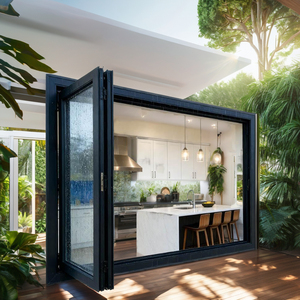
Modern Soundproof Aluminum Horizontal Folding Bifold Window
Engineered with multi-chamber heavy-duty aluminum profiles, stainless steel track hardware, and double toughened acoustic glass for seamless patio transitions.
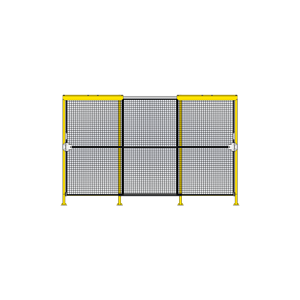
Surfence Double Sliding Door With Upper Glide Track
Designed for tight spaces and commercial passages, featuring an engineered top-hung suspension track mechanism and ultra-smooth glide rollers.
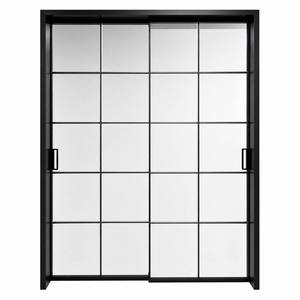
Crittall Style Aluminum Sliding Door (2x5 Grid Panels)
Industrial aesthetic interior partition door built with slim black aluminum framing, decorative interior muntins, and impact safety glass.
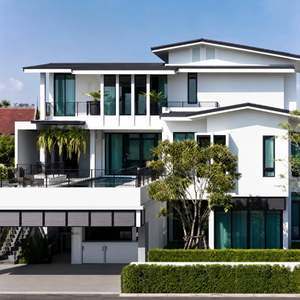
Complete Exterior Whole-House Aluminum Window & Door System
Integrated fenestration suite tailor-made for luxury residential builds and commercial developments with 5-year warranty protection.
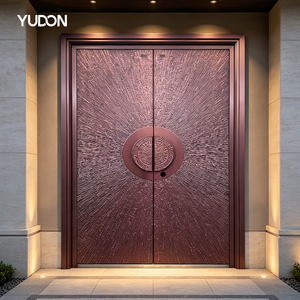
Anodized Aluminum Double Front Entry Main Door with Smart Lock
Heavy-duty main entry portal featuring weather-resistant anodized surface treatment, multi-point locking systems, and smart lock compatibility.
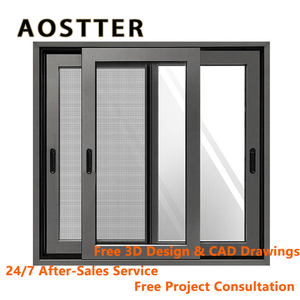
NFRC Standard Thermally Insulated Aluminium Sash & Sliding Window
Certified heat-insulating side and sliding window units utilizing polyamide thermal breaks and Low-E double glazing for minimal SHGC values.
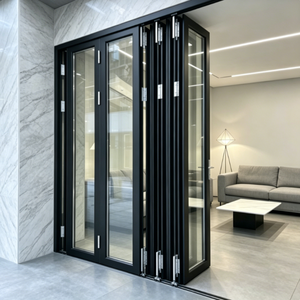
Custom Exterior Patio Bifold Glass Door with Heavy Aluminum Frame
Weather-sealed exterior folding glass door optimized for panoramic openings, wind-load resistance, and water-tight drainage thresholds.
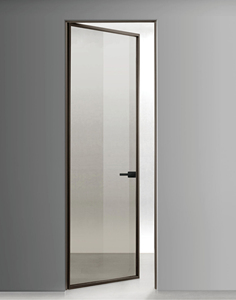
Thermal Break Slim Frame Swing Door with Smoked Glass (CE Certified)
Minimalist interior/exterior architectural swing door with soundproof smoked glass panels, micro-slim sightlines, and concealed hinges.
Why Leading Global Developers SAGA Doors & Windows
Combining modern metallurgical extrusions, strict multi-regional testing, and direct factory supply chain optimization.
Global Standard Certification
Full compliance testing under AGWA (AS2047:2014, AS1288:2021), New Zealand Building Code (NZS4211:2008), NAFS (North America), and Miami-Dade (TAS 201/202/203) for high-velocity hurricane zones.
16 Years Direct Manufacturing
Operating out of state-of-the-art facilities in Minhou County, Fuzhou, utilizing automated CNC aluminum cutting, precision crimping, and automated insulating glass unit assembly.
Bespoke CAD & BIM Support
Every order includes detailed shop drawings, structural wind-load calculation sheets, section details, and anchoring schemes customized for project certifiers and architectural review.
Macro Trends Shaping Aluminium Side Window Procurement
An in-depth analysis of global energy regulations, micro-sightline engineering, and sustainable sourcing strategies for commercial and residential developments.
1. Thermal Break Decarbonization & Passivhaus Standard Adoption
The global building sector is undergoing a rapid transition toward stringent net-zero operational carbon goals. Aluminium side windows, traditionally considered potential thermal bridges due to the high thermal conductivity of raw aluminum alloys ($k \approx 200 \text{ W/m}\cdot\text{K}$), have been revolutionized by advance polyamide structural thermal barriers. Modern B2B procurement now demands multi-chambered PA66 GF25 (25% glass fiber reinforced polyamide) strip inserts, expanding thermal breaks to widths between 24mm and 34mm.
Furthermore, leading architectural specifications require low emissivity (Low-E) soft coats combined with warm-edge composite spacers (such as Technoform or Swisspacer) and argon gas cavity fills (90%+ concentration). This technological synergy drops overall window assembly thermal transmittance ($U_w$) down to levels below $1.2 \text{ W/m}^2\cdot\text{K}$, enabling aluminum side windows to meet strict Passivhaus and US ENERGY STAR® v7.0 mandates without sacrificing structural rigidity.
2. Ultra-Slim Sightline Architecture & Structural Silicone Glazing (SSG)
Architectural preferences for modern side windows have firmly leaned toward maximal daylight harvesting and ultra-narrow frame visibility. Custom aluminum side window engineering now utilizes structural silicone glazing (SSG) techniques where the Insulating Glass Unit (IGU) is bonded directly to anodized or powder-coated aluminum sub-frames using high-modulus structural sealants (e.g., Dow Corning 983 or Tremco SG300).
This structural adhesive bonding allows factories to reduce visible profile face widths to as slim as 28mm to 45mm while maintaining elevated deflection resistance under intense wind loading pressures (exceeding 3000 Pa). Procurement trends show a 40% year-over-year surge in demand for side awning and casement windows incorporating dual-arm chain winders, concealed multi-point friction hinges, and flush outer frame integration.
3. Supply Chain Risk Mitigation & Modular Pre-Glazed Factory Assemblies
Commercial contractors and overseas real estate developers are increasingly shifting away from site-glazed joinery toward factory-certified, pre-glazed window units. On-site glazing exposes glass and aluminum frames to accidental damage, weather delays, sealant contamination, and expensive local labor costs.
By sourcing fully integrated, pre-glazed aluminium side windows directly from accredited OEM/ODM exporters like SAGA, buyers achieve guaranteed factory sealant curing under controlled temperature/humidity conditions, audited EPDM gasket compression, and pre-tested water penetration resistance. Packed inside heavy-duty, steel-reinforced ocean freight crates, pre-glazed units enable plug-and-play installation on site, reducing jobsite labor overhead by up to 60%.
Aluminium Side Window Performance Matrix
Technical benchmarks across window configurations manufactured to Australian, North American, and European codes.
| Window Configuration | Thermal Transmittance (U-Value) | Solar Heat Gain (SHGC) | Acoustic Rating (STC / Rw) | Max Water Penetration | Structural Wind Pressure |
|---|---|---|---|---|---|
| Thermally Broken Casement / Side Window | 1.1 – 1.6 W/m²K | 0.22 – 0.45 | STC 38 – 44 dB | 600 Pa – 1000 Pa | ± 4500 Pa (Serviceability) |
| Standard Non-Thermal Awning Window | 2.8 – 3.4 W/m²K | 0.35 – 0.65 | STC 30 – 35 dB | 300 Pa – 450 Pa | ± 2500 Pa |
| Hurricane Impact Side Window (Laminated) | 1.8 – 2.2 W/m²K | 0.25 – 0.40 | STC 40 – 48 dB | 700 Pa – 1200 Pa | ± 7200 Pa (TAS 202/203) |
| Horizontal Folding / Bifold Window System | 1.4 – 1.9 W/m²K | 0.28 – 0.50 | STC 34 – 38 dB | 450 Pa – 600 Pa | ± 3000 Pa |
| Slim-Frame Horizontal Sliding Window | 1.5 – 2.1 W/m²K | 0.30 – 0.55 | STC 32 – 36 dB | 400 Pa – 600 Pa | ± 3500 Pa |
Frequently Asked Questions for Sourcing & Importers
Clear engineering and commercial answers to streamline your direct factory purchasing process.
Which regional building codes and standards are SAGA aluminium side windows tested against?
What aluminum alloy grade and surface finishes are used for export orders?
How does SAGA manage custom dimensions, shop drawings, and engineering sign-offs?
What is the standard production lead time and loading port logistics?
Can SAGA supply physical window samples for architectural submittals?
What hardware brands and multi-point locking mechanisms are integrated?
Ready to Upgrade Your Next Project's Fenestration?
Work directly with SAGA's structural engineering team. Send us your project floor plans, window schedules, or performance specifications for a rapid factory-direct quote and technical proposal.