Featured Architectural Glazing & Slimline Systems
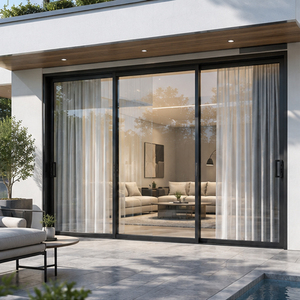
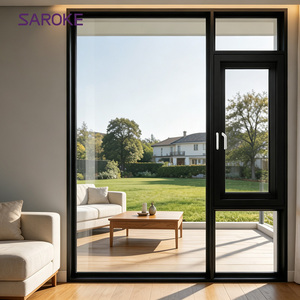
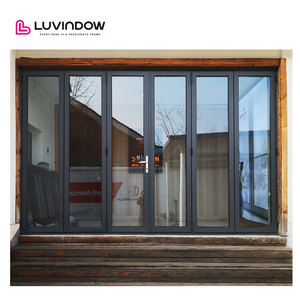
State of the Industry: The Shift Toward Slimline Architectural Glazing
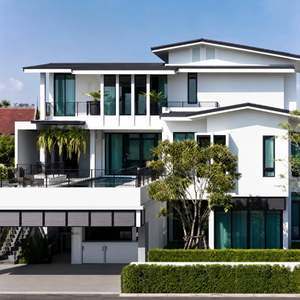
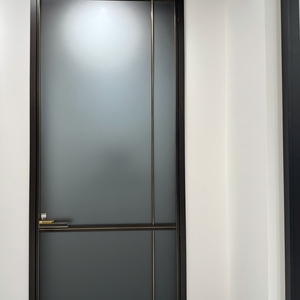
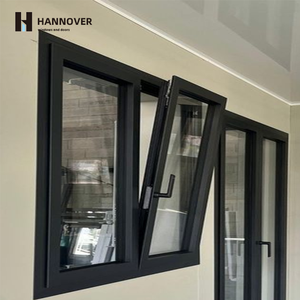
In contemporary high-end residential and commercial architecture, the demand for traditional bulky frame joinery has rapidly diminished. Today’s international real estate developers, structural engineers, and principal architects prioritize minimalist aesthetic integration—specifically requesting ultra-narrow profile sightlines (ranging from 18mm to 35mm visible profile faces) that maximize natural daylight harvesting while delivering uncompromised structural load resistance and extreme energy conservation.
Navigating the global supply chain to source verified, high-performance aluminium slimline windows requires deep technical due diligence. Importers and procurement directors cannot rely solely on aesthetic photos; they must scrutinize alloy metallurgy (such as primary 6063-T5 vs recycled scrap extrusions), thermal break isolation technologies (Polyamide PA66 GF25 structural barrier strips), wind-load resistance coefficients (Pascal ratings), and international building standard compliance certifications ranging from Australia's AS2047 / AS1288 to North America's NAFS and Florida’s rigorous Miami-Dade TAS 201/202/203 impact mandates.
As a premier enterprise manufacturer with over 16 years of direct manufacturing and OEM export experience, SAGA Aluminum Doors & Windows Co., Ltd. operates at the nexus of engineering precision and global compliance. Operating from our specialized industrial facility in the Tieling Technical and Economic Development Zone (Fuzhou, Fujian), SAGA provides complete whole-house and commercial fenestration systems designed to meet the precise architectural specifications of developers across Australia, New Zealand, North America, Europe, and the hurricane-prone Caribbean regions.
E-E-A-T Quality Assurance
Every slimline system undergoes rigorous factory pre-assembly, 100% dimensional tolerance checks, and hydrostatic pressure testing before being packaged in sea-worthy reinforced wooden crates.
Precision Metallurgy
We utilize exclusively primary 6063-T5 and T6 virgin aluminium billets engineered to wall thicknesses up to 2.0mm, ensuring zero frame warping under high wind-load shear stresses.
Global Supply Logistics
Direct FOB shipping from Fuzhou or Xiamen ports with custom export clearance documentation, full CAD/BIM shop drawings, and turnkey engineering support for rapid site installation.
Engineering Information Gain: Slimline vs Conventional Aluminium Joinery
When evaluating top-trusted slimline aluminium window factories, procurement officers must understand the critical structural engineering trade-offs between traditional standard profiles and ultra-narrow architectural profiles. Slimline engineering does not simply mean removing aluminum material—it requires compensating for structural stiffness through higher-grade alloy tempering, advanced structural glass bonding (silicone glazing), and multi-chamber internal web geometry.
| Engineering Criteria | Standard Conventional Profile | SAGA Ultra-Slimline Architectural Profile | B2B Sourcing Value Impact |
|---|---|---|---|
| Visible Profile Sightline | 65mm – 90mm frame width | 18mm – 38mm narrow sightline | Up to 35% increased daylight intake & seamless aesthetic view. |
| Alloy Grade & Tempering | Standard 6063-T5 (Recycled mix common) | Primary 6063-T5 / T6 Virgin Alloy | Superior tensile strength prevents deflection in expansive panels. |
| Thermal Barrier Technology | Pour & Debridge / PVC Strips | Polyamide PA66 GF25 (25% Glass Fiber) | Drastically reduces U-Factor (down to 1.1 W/m²K with Low-E gas). |
| Structural Glass Load Integration | Mechanically gasketed, non-bonded | Structural Silicone Bonding (Dow Corning) | Glass becomes a structural diaphragm, enhancing wind-load performance. |
| Hardware Concealment | Surface-mounted exposed hinges | 100% Concealed German ROTO / Siegenia | Flush architectural finish with enhanced anti-burglary security. |
| Water Penetration Resistance | Standard 300 Pa pressure drain | Cascading concealed drainage (600+ Pa) | Zero water ingress during extreme storm & typhoon force rains. |
Future Procurement Trends in Aluminium Fenestration Sourcing
As global energy codes tighten and architectural design trends evolve, overseas buyers must anticipate structural market shifts. Importers, property developers, and volume wholesalers who align their supply chains with the following four key procurement trends will secure a decisive competitive advantage in their respective domestic markets over the next decade:
1. Carbon-Neutral Envelopes & Triple-Glazed Thermal Breaks
With national building regulations (such as Australia's NCC 2022 Section J requirements and Europe's Energy Performance of Buildings Directive) imposing strict solar heat gain coefficients (SHGC) and lower U-Values, single-glazed and non-thermally broken aluminium systems are rapidly being phased out. Modern procurement favors multi-chamber thermally broken profiles fitted with Triple-Glazed Low-E Argon units and warm-edge TPS spacers to achieve passive house standard thermal insulation.
2. Floor-to-Ceiling Motorized Slimline Glazing
High-end residential villas and luxury commercial developments are expanding opening dimensions. The industry is rapidly adopting oversized slimline sliding doors and vertical gas-strut windows capable of carrying single glass panel weights exceeding 400kg. Sourcing trends prioritize exporters capable of integrating hidden electric actuators, magnetic levitation sliding tracks, and smart home automation compatibility.
3. Resilience Sourcing for Coastal & Climate Zones
Climate volatility has driven sharp demand for certified hurricane-impact fenestration beyond Florida into the Caribbean, Pacific Islands, and coastal Australasia. Future-proof procurement requires factories with verified testing under Miami-Dade TAS 201/202/203 or AS2047 Cyclonic Wind Load standards, utilizing heavy-duty SentryGlas (SGP) laminated interlayers that resist missile impacts and cyclic pressure loading.
4. Digitalized Engineering & DfMA (Design for Assembly)
Commercial builders no longer want off-the-shelf catalog dimensions. Sourcing success depends on factory partner digital integration. High-performing exporters provide direct BIM (Building Information Modeling) objects, custom CAD structural detailing, pre-punched installation brackets, and modular unitized window sub-frames that dramatically reduce costly site labor and installation error margins.
Global Compliance Guide: Navigating Regional Fenestration Standards
Exporting windows and doors globally requires strict compliance with regional building laws. Importing non-compliant fenestration products risks severe site rejection by municipal certifiers, heavy financial fines, and structural failure. SAGA’s product lines undergo continuous testing and independent auditing to ensure full compliance across major international jurisdiction codes:
Australia & New Zealand
Fully audited under the AGWA (Australian Glass and Window Association) program for compliance with AS2047:2014 (Windows in buildings), AS1288:2021 (Glass in buildings), and NCC 2022. New Zealand coverage includes NZS4211:2008 across durability (B2), external moisture (E2), and energy efficiency (H1).
North America (NAFS)
Tested to the North American Fenestration Standard (NAFS AAMA/WDMA/CSA 101/I.S.2/A440). Verification covers operational force, air infiltration leakage rates, uniform static load deflection, forced-entry resistance, and long-term hardware cycle durability.
Miami-Dade Hurricane Zone
Certified for High-Velocity Hurricane Zones (HVHZ) under TAS 201-94 (Large and Small Missile Impact), TAS 202-94 (Uniform Static Air Pressure), and TAS 203-94 (Cyclic Wind Pressure Loading), making our systems ideal for coastal storm regions.
Why SAGA Doors & Windows is a Top-Trusted Global Factory Partner
Choosing an OEM/ODM manufacturing partner in China requires looking beyond base price quotes. Experienced importers evaluate factory floor capabilities, technical engineering expertise, supply chain stability, and post-sale support. SAGA has spent 16 years perfecting a comprehensive export manufacturing workflow tailored specifically to international B2B clients:
1. Tier-1 Hardware & Profile Partner Ecosystem
A window’s operational lifespan depends entirely on its hardware components. SAGA collaborates directly with premier global suppliers, offering authentic hardware solutions including German ROTO Frank, Siegenia-Aubi, and heavy-duty Kinlong hardware. Profile offerings include world-renowned Veka and Rehau uPVC profile systems alongside our proprietary thermal break aluminium extrusions.
2. Bespoke Project Engineering & Shop Drawings
Our dedicated in-house facade engineering team prepares comprehensive DWG shop drawings, section profiles, structural calc anchors, and step-by-step installation diagrams for every order. Before production commences, your project certifier or architect receives exact technical submittals for formal review and sign-off, eliminating site fitment errors.
3. 7-Step Standardized Quality Control Pipeline
From raw 6063-T5 aluminium billet incoming inspection to CNC profile milling, corner crimping, glass unit sealing, and final hardware torque testing, every frame undergoes rigorous quality checks. Our 100% pre-shipment assembly policy ensures that window sashes, frames, and screen mechanisms operate effortlessly before crating.
4. Heavy-Duty Export Crating & Shipping Protection
International ocean freight subjects joinery to high humidity, ocean spray, and handling vibration. SAGA utilizes fully enclosed, fumigated ISPM-15 plywood crates lined with protective PE film, corner guards, and structural air cushions, guaranteeing that glass and powder-coated surfaces arrive on site in pristine condition.
Frequently Asked Sourcing & Engineering Questions
Transform Your Architectural Vision with Certified Factory Sourcing
Whether you require custom slimline sliding doors for a single luxury villa or a multi-container supply contract for a commercial residential development, SAGA’s engineering team is ready to analyze your window schedules and CAD drawings.