High-Performance Aluminum Doors & Architectural Glazing Solutions
Explore our export-grade fenestration systems certified to international building standards (AS2047, NZS4211, NAFS, Miami-Dade TAS 201-203).
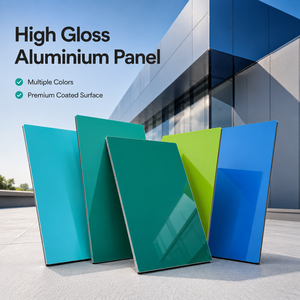
High Gloss Modern Fireproof ACP Aluminum Composite Panel PE Coated Outdoor Use Kitchen Cabinet Door
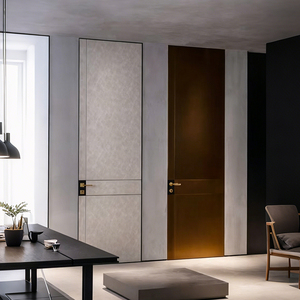
Premium Luxury Fire Rated Frameless Hidden Leather Finish Aluminium Interior Door for High-End Residential Project
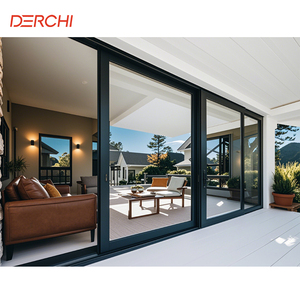
USA Hot Sale Modern Aluminum Front Sliding Back Doors for House Thermal Break Multi Panel Glass Sliding Door Patio
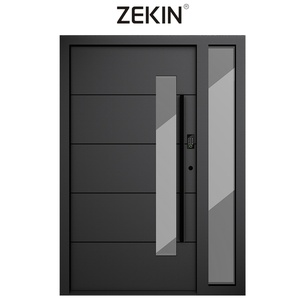
ZEKIN Aluminum Modern Luxury Security Metal Door Residential Front Entry Exterior Pivot Door Apartment House Main Entrance Door
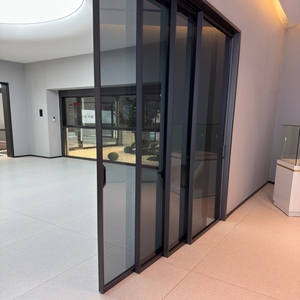
Modern Top Hung No Bottom Track Design Glass Sliding Door For Kitchen Living Room
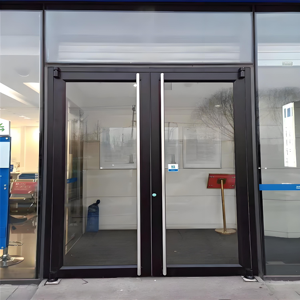
Commercial Double Doors KFC Waterproof Supermarket Storefront Shop Black Double Glaze Aluminum Entry Exterior Commercial Door
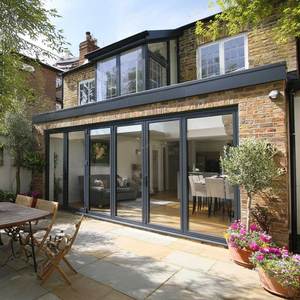
XIYATECH Aluminum Bi Fold Door AS2047 Certified Aluminum Track Multi Panel Stacking Residential Mansion Doors
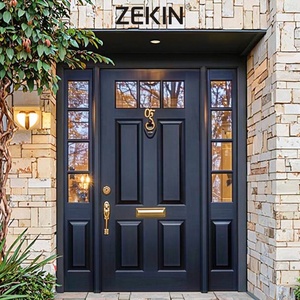
Customized America Standards Fire Prevention Aluminum Alloy Security Door Front Pivot Entry Doors Aluminum Entrance Door
The Engineering Paradigm Shift: Why Aluminum Crittall Style Doors Dominates Global Architectural Supply Chains
The architectural landscape for high-end residential, commercial, and multi-family developments has experienced a massive paradigm shift. Historically, the iconic "Crittall" design—characterized by slim metal profiles, geometric steel glazing bars (muntins), and industrial grid aesthetics—was reliant on hot-rolled carbon steel profiles. However, legacy carbon steel systems suffer from severe technical drawbacks: thermal bridging, high susceptibility to atmospheric corrosion, heavy structural dead load, and exorbitant manufacturing lead times.
As a leading aluminum Crittall style doors exporter, SAGA Doors & Windows has spearheaded the technical evolution of this industrial aesthetic. By replacing heavy steel with precision-extruded 6063-T5/T6 architectural aluminum alloy integrated with advanced poly-amide (PA66 GF25) thermal breaks, modern exporters provide a product that delivers the identical visual heritage of Crittall doors while outperforming steel across thermal efficiency, structural resilience, weatherproofing, and cost-effectiveness.
When sourcing aluminum Crittall-style doors from overseas manufacturers, procurement directors, project developers, and architects must evaluate technical parameters beyond cosmetic sightlines. Profile wall thickness (typically 2.0mm to 3.0mm for structural integrity), anodic oxidation or fluorocarbon powder coating durability, hardware cycling life (minimum 50,000 to 100,000 operation cycles), and water penetration resistance form the foundational benchmarks of long-term performance.
Comparative Analysis: Hot-Rolled Steel vs. Thermally Broken Aluminum Crittall Systems
To assist global buyers and project certifiers in making informed specification decisions, the following engineering matrix compares traditional steel Crittall doors against SAGA's precision-engineered thermally broken aluminum steel-look systems:
| Performance Criteria | Traditional Steel Crittall Doors | SAGA Thermally Broken Aluminum Crittall Doors | Procurement & Compliance Impact |
|---|---|---|---|
| Structural Material | Hot-rolled carbon steel profiles | Extruded 6063-T5 / T6 Marine-Grade Aluminum | Aluminum is 66% lighter, reducing shipping costs & hardware strain. |
| Thermal Insulation (U-Value) | Poor (High thermal bridging, 3.2 - 4.5 W/m²K) | Superior (PA66 GF25 thermal break, 1.2 - 1.8 W/m²K) | Meets stringent energy codes: NCC 2022 (AU), NZBC H1 (NZ), Title 24 (USA). |
| Corrosion Resistance | Requires regular rust prevention & repainting | Pre-treated powder coating / Anodized finish (Qualicoat) | Zero maintenance; suitable for coastal C4/C5 corrosive environments. |
| Glazing Flexibility | Limited to single or thin double glazing (14-20mm) | Supports Double/Triple IGUs up to 32mm depth | Enables acoustic glass (Rw up to 42dB) and laminated safety glass. |
| Aesthetic Sightlines | Ultra-thin (30mm - 45mm frame depth) | Slim-line steel replica sightlines (35mm - 55mm profile) | Replicates industrial grid look with modern weather-tight sealing. |
| Production & Freight Lead Time | 12 - 20 Weeks (Hand fabricated) | 35 - 50 Days (Factory CNC precision production) | Accelerates project construction schedules significantly. |
Future Procurement & Architectural Trends for Aluminum Crittall Style Doors
As international energy codes tighten and architectural preferences lean toward minimalist, biophilic indoor-outdoor integration, the export demand for aluminum Crittall-style doors is undergoing significant evolution. Leading global exporters must anticipate and innovate according to three primary industry trends over the next decade:
Ultra-Slim Interlocks & Concealed Hardware
Developers increasingly specify interlock sightlines down to 20mm–35mm for sliding and bifold Crittall configurations, pairing ultra-thin frames with heavy load-bearing concealed rollers and concealed friction hinges.
Acoustic Isolation & Low-E Triple Glazing
Urban high-density housing projects require enhanced sound insulation (Rw 38dB+) alongside aggressive thermal values. Multi-chamber profile designs incorporating acoustic foil laminates and argon-filled warm-edge spacers are becoming standard.
Prefabricated Modular & Knock-Down (KD) Shipping
To streamline global container freight and mitigate transport damage, exporters are standardizing precision CNC-milled knock-down corner key connection systems. This allows bulk crate packing and rapid on-site assembly for builders.
Custom Texture & Tactile Anodized Finishes
Beyond traditional matte black (RAL 9005), buyers are demanding micro-textured powder coatings, deep metallic bronze anodizing, and leather-finish interior frame trims that elevate tactile sensory experiences in high-end interiors.
International Building Code Compliance & Testing Protocols
Exporting custom aluminum Crittall-style doors requires rigorous engineering to meet varying regional building authorities. SAGA Doors & Windows maintains audited test certifications for major export markets, ensuring smooth building certifier approvals and council sign-offs:
Australia & New Zealand
Standards: AS2047:2014, AS1288:2021, NZS4211:2008
Audited under the AGWA program. Validates structural deflection (N1 to N6 wind rating), ultimate wind pressure testing (up to 4500Pa), water penetration resistance (up to 600Pa), and air infiltration.
North America (USA & Canada)
Standard: NAFS (North American Fenestration Standard)
Covers uniform static air pressure tests, structural performance under hurricane loads, forced-entry resistance, sash vertical deflection, and operating hardware cycle endurance.
Florida Coastal & Caribbean
Standards: Miami-Dade TAS 201-94, TAS 202-94, TAS 203-94
Evaluates large and small missile impact resistance, structural load stability under extreme hurricane conditions, and high-frequency cyclic wind pressure loading.
Why SAGA is the Leading Choice for Overseas Buyers & Wholesalers
SAGA Aluminum Doors & Windows Co., Ltd. operates a state-of-the-art direct manufacturing facility in the Tieling Technical and Economic Development Zone, Minhou County, Fuzhou, Fujian, China. With 16 years of specialized manufacturing experience, SAGA serves four distinct buyer segments across more than 25 countries:
- Wholesalers & Dealers: Standardized frame profile systems, custom OEM branding options, packaged in heavy-duty plywood crates for safe warehouse distribution.
- Builders & Developers: Complete fenestration schedule quoting, unit-by-unit elevation drawings, and staggered container shipping synchronized with site installation milestones.
- Architects & Designers: Bespoke profile extrusions, ultra-narrow mullion sightlines, custom powder-coat matching, and comprehensive CAD/BIM section drawing support.
- Contractors & Installers: Step-by-step structural fixing drawings, sub-head and sub-sill flashing details, and dedicated engineering consultation for seamless job site installation.
Full CAD & CAD/BIM Shop Drawings
Every order undergoes rigorous drafting review. We provide detailed section cuts, glass schedules, and anchor point details before production begins.
Port of Loading Efficiency
Direct shipments from Fuzhou Port or Xiamen Port in Fujian, China, offering flexible ocean freight scheduling and competitive logistics tariffs worldwide.
100% Pre-Shipment Assembly Test
Frames and doors are fully assembled in-factory to check diagonal squareness, glass fitting clearance, seal compression, and multi-point lock alignment.