Featured Architectural Product Showcase
Directly manufactured high-performance fenestration solutions tested to Australian AS2047, North American NAFS, and Miami-Dade hurricane impact specifications.
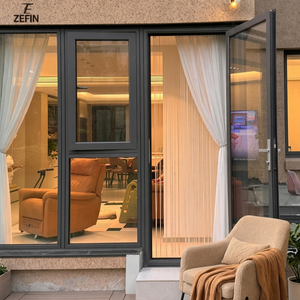
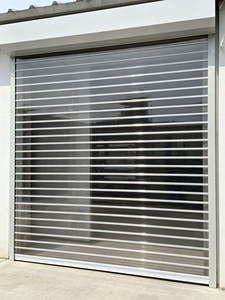
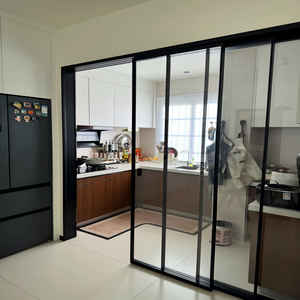
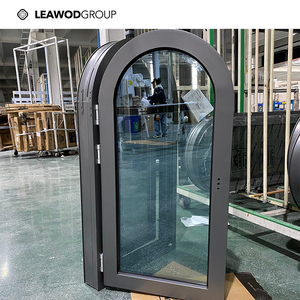
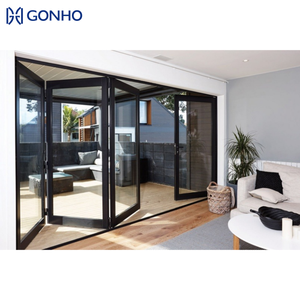
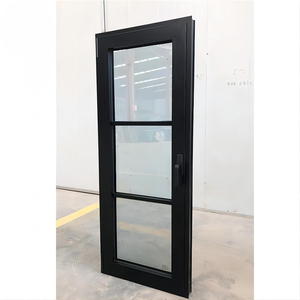
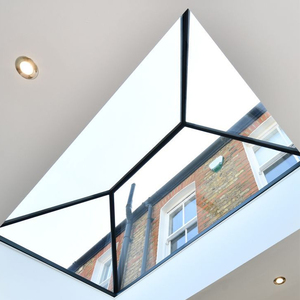
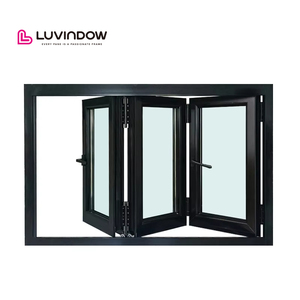
Architectural Engineering Whitepaper: Thermal Integrity, Structural Dynamics & Specifier Guidelines
Executive Summary for Procurement Directors, Developers & Architects
In modern commercial and high-end residential architecture, selecting an aluminum glass window manufacturer extends beyond cosmetic considerations. High-rise wind pressure compliance, severe weather impact resistance, operational lifespan, thermal efficiency (U-Value optimization), and strict adherence to destination building codes represent the core criteria governing commercial procurement. As a direct-export manufacturing powerhouse with 16 years of engineering experience, SAGA Doors & Windows provides this technical guide to evaluate structural extrusion integrity, glass thermal dynamics, and compliance audit frameworks for international supply chains.
1. Extrusion Metallurgy & Structural Profile Engineering
Aluminum profile performance is primarily dictated by the chemical alloy composition and tempering standard. Premium architectural fenestration demands 6063-T5 or 6063-T6 aluminum alloys, characterized by high tensile strength, superior yield resistance, and fine surface grain structure suitable for advanced surface finishing.
6063-T5/T6 Alloy Rigidity
Offers an ultimate tensile strength threshold exceeding 205 MPa. Wall thickness across structural load-bearing profiles is calibrated between 1.6mm to 3.0mm, ensuring zero deflection under severe negative wind loads.
Polyamide Thermal Barrier (PA66 GF25)
Thermal breaks utilize 25% glass fiber reinforced Polyamide 66 (PA66 GF25) strips. Unlike cheap PVC alternatives, PA66 matches the thermal expansion rate of aluminum alloy, preventing structural delamination over decades of heat cycles.
Surface Finish Durability
Option of PPG Fluropon® PVDF fluorocarbon coatings or AkzoNobel Interpon® powder coating (film thickness ≥ 60–80 microns), passing 3,000-hour salt spray corrosion testing for coastal marine environments.
2. Thermal Physics & Acoustic Glazing Performance Matrix
Windows are the primary thermal envelope junction in modern energy-efficient buildings. Lowering the overall U-Factor (overall heat transfer coefficient) while maintaining desirable Solar Heat Gain Coefficients (SHGC) requires balanced insulated glass unit (IGU) configuration.
| Glazing Specification | U-Factor (W/m²·K) | SHGC Range | Acoustic STC (dB) | Ideal Application Scenario |
|---|---|---|---|---|
| Single Clear Toughened (6mm) | 5.4 - 5.8 | 0.75 - 0.82 | 28 - 30 dB | Interior glass partitions, non-conditioned spaces |
| Standard Double Glazed IGU (6+12A+6mm) | 2.6 - 2.8 | 0.62 - 0.70 | 34 - 36 dB | Standard suburban residential construction |
| Thermally Broken + Low-E Double IGU + Argon | 1.3 - 1.6 | 0.32 - 0.45 | 38 - 42 dB | NCC 2022 / AS2047 energy compliance & passive designs |
| Triple Glazed Low-E + Acoustic PVB Laminated | 0.8 - 1.1 | 0.25 - 0.38 | 44 - 48 dB | High-noise urban precincts & cold extreme climates |
3. Global Building Code & Compliance Engineering
One of the largest hidden risks for global buyers importing joinery from Asia is compliance mismatch at destination ports or site inspections. SAGA’s manufacturing framework operates under audited multi-jurisdictional compliance schemes:
- Australia & New Zealand (AS2047 / AS1288 / NZS4211): Tested for structural deflection (Ultimate Limit State), water penetration resistance (up to 600 Pa), air infiltration, and safety glass compliance in accordance with NCC 2022 and NZBC Clauses B1, B2, E2, F2, and H1.
- North America (NAFS / AAMA / WDMA / CSA): Complies with air leakage standards, uniform static structural pressure loading, forced-entry resistance, and hardware endurance benchmarks.
- Florida & Caribbean Coastal Zones (Miami-Dade TAS 201 / 202 / 203): Engineered with high-tensile laminated glass to endure large missile impact testing (TAS 201) and cyclic wind pressure loading up to ±9000 Pa (TAS 203).
Future Procurement & Technology Trends in Architectural Windows (2026–2030)
The fenestration sector is experiencing rapid technological evolution driven by stringent carbon neutrality targets, smart building automation, and supply chain rationalization. Enterprise buyers should align their 3-to-5-year procurement roadmaps with these industry macro trends:
1. Decarbonization & Low-Carbon Aluminum
Global developers are mandating Environmental Product Declarations (EPDs) tracking embodied carbon content. Emerging standards favor aluminum profiles smelted using hydroelectric energy, reducing carbon output from 18kg CO2/kg to under 4kg CO2/kg of raw extrusion.
2. Integrated Smart Glazing & Motorization
Direct factory integration of Electrochromic (EC) smart glass, automated motorized chain winders, and concealed magnetic contact sensor locks compatible with KNX and smart home automation systems is replacing aftermarket retrofits.
3. Ultra-Slim Sightline Structural Glazing
Architectural preference continues to shift toward minimal frame profiles with maximum glass ratios. High-strength structural silicone bonding (Dow Corning 983) enables frameless corner sliding doors and ultra-slim multi-track panoramic sliding systems.
Why Enterprise Importers Partner with SAGA Doors & Windows
With 16 years of continuous export manufacturing, SAGA operates as a specialized direct OEM/ODM production partner for wholesalers, real estate developers, commercial builders, and architectural studios across North America, Australia, New Zealand, Europe, and the Caribbean.
Full In-House Engineering & Shop Drawings
Before production begins, our engineering desk generates complete CAD elevation schedules, 3D section details, and installation anchor drawings tailored to your localized wall sub-frame details (timber stud, brick veneer, concrete tilt-slab, or steel frame).
Rigorous Pre-Shipment Quality Control
100% of custom joinery orders undergo factory mock-up assembly. Diagonal squareness tolerances are held within ±1.0mm, corner crimping joints undergo water leak testing, and hardware operations are cycled prior to protective wooden crate packaging.
Global Hardware Partnership Ecosystem
We supply verified global hardware brands including German ROTO Frank, Siegenia-Aubi, and premium Kinlong systems, providing long-term smooth operation, multi-point locking security, and guaranteed local spare parts replacement.
Strategic Export Logistics (Fuzhou & Xiamen)
Located in Fujian, China, SAGA ships directly from Fuzhou and Xiamen deep-water ports. Customized steel-frame timber crating ensures zero glass breakage and container loading efficiency for ocean freight transit.
Frequently Asked Questions by Commercial Buyers
Key technical and commercial inquiries addressed by our export technical team.
Accelerate Your Next Architectural Project with SAGA
Request your comprehensive product catalog, complete architectural section drawings, and factory-direct pricing for your project schedule today.