Featured Anthracite Aluminium Fenestration Systems
Custom-manufactured, hurricane-tested, and powder-coated to RAL 7016 standards for high-end residential villas, commercial resorts, and modern urban builds across Costa Rica.
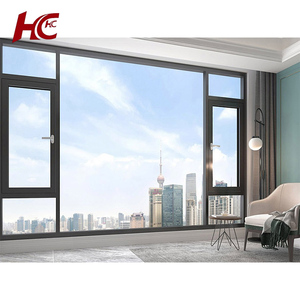
Custom Hurricane Impact Soundproof Aluminium Casement Window
Send an Inquiry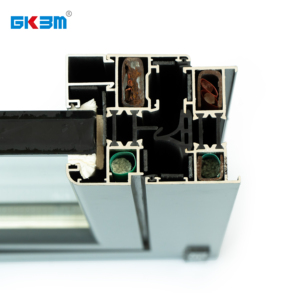
Anthracite Grey Double-Glazing Thermal Break Aluminium Window
Send an Inquiry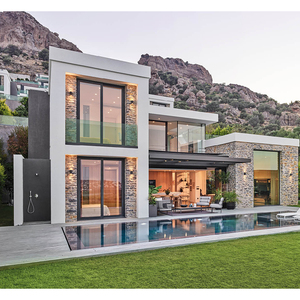
Custom Modern Anthracite Double Glazed Aluminium Window System
Send an Inquiry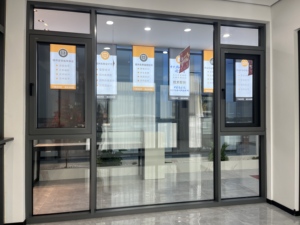
Anthracite Aluminium Inward Casement Window with Top Transom
Send an Inquiry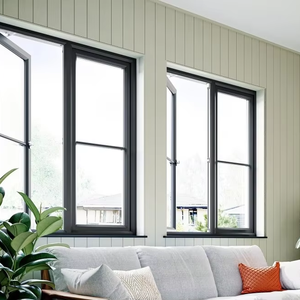
Qualicoat Powder-Coated Anthracite Grey Luxury Casement Window
Send an Inquiry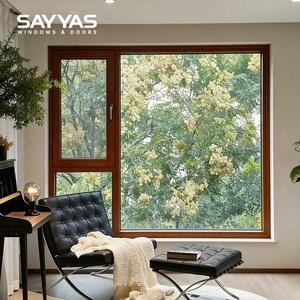
Fixed Luxury Anthracite Aluminium Architectural Facade Window
Send an Inquiry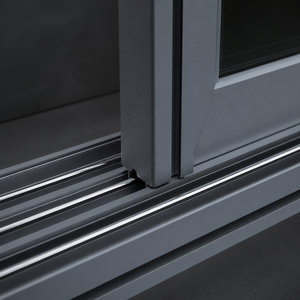
Interior/Exterior Anthracite Aluminium Sliding Window with Brush Seal
Send an Inquiry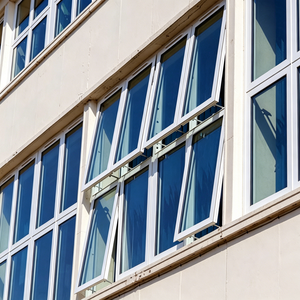
Low Profile Bevel Anthracite Top-Hung Architectural Facade Window
Send an Inquiry1. Technical Whitepaper: High-Performance Anthracite Fenestration in Costa Rica
As Costa Rica solidifies its position as a global capital for tropical eco-luxury architecture, green building certifications (such as Bandera Azul Ecológica and EDGE certification), and luxury coastal developments, the demand for high-end architectural joinery has evolved dramatically. Modern architectural firms in San José, Guanacaste, and the Papagayo Peninsula are increasingly eschewing traditional timber and non-thermal aluminum in favor of RAL 7016 Anthracite Grey thermally broken aluminium window systems.
This technical whitepaper outlines the structural, metallurgical, and thermal engineering parameters required for custom window manufacturing when exporting to Costa Rica. Operating as a direct manufacturer, SAGA addresses the dual challenges of extreme tropical moisture and aggressive coastal air through advanced Qualicoat surface treatments, polyamide thermal breaks, and structural wind-load engineering certified under international standards including AS2047, NAFS, and Miami-Dade TAS 201/202/203.
Information Gain Benchmark: Standard commercial aluminum windows installed in tropical coastal regions often experience premature powder coat chalking and thermal transfer issues within 3 to 5 years. SAGA’s architectural-grade extrusion systems utilize PA66GF25 thermal breaks and Qualicoat Class 2 fluoropolymer coatings, offering verified thermal insulation and corrosion resistance engineered for 25+ year design cycles.
2. Microclimate Localization: Engineering Windows for Costa Rica's Topography
Exporting custom architectural fenestration to Costa Rica requires a deep understanding of the country's diverse microclimates. A window engineered for an air-conditioned mountain villa in Escazú requires vastly different performance characteristics than one installed on a seafront property in Tamarindo or Manuel Antonio.
Pacific Ocean Rim (Guanacaste & Papagayo)
Environmental Stressors: Intense UV radiation (UV Index 11+), airborne sea salt, high ambient humidity, and severe dry-season winds.
Factory Specification: Qualicoat Marine-Grade Class 2/3 powder coating with anti-chalking resins, 316 stainless steel multi-point locking hardware, double-glazed Low-E glass tuned to SHGC < 0.25 to prevent solar thermal gain.
Central Valley (San José, Santa Ana, Escazú)
Environmental Stressors: Diurnal temperature fluctuations, high urban acoustic levels, seismic activity, and rainy season downpours (*temporales*).
Factory Specification: PA66GF25 polyamide thermal breaks to isolate interior cooling, laminated acoustic glass (STC 38-42 rating), and seismic-tolerant corner crimping with structural silicone bonding.
Caribbean Slope & High-Rainfall Regions
Environmental Stressors: Near-constant relative humidity (>85%), persistent tropical rainfall, mold growth risk, and hurricane wind gusts.
Factory Specification: Multi-chamber EPDM weather gaskets, cascading sill drainage channels, high-waterhead pressure sills rated to 600Pa, and insect-screen integrated inward casement frames.
3. Technical Metallurgy: RAL 7016 Anthracite Grey Powder Coating Science
The iconic aesthetic of modern Costa Rican architecture relies heavily on clean sightlines and deep matte tones. RAL 7016 Anthracite Grey is the preferred architectural finish worldwide. However, applying dark pigments to tropical window frames presents thermal expansion and atmospheric degradation risks if not properly engineered.
3.1 Pre-Treatment & Electrostatic Deposition
At our manufacturing facility, raw 6063-T5 and 6063-T6 architectural aluminum profiles undergo an 8-stage automated pre-treatment cleaning sequence. This includes chemical degreasing, acid etching, demineralized water rinsing, and a chrome-free conversion coating to establish a corrosion-resistant molecular base layer.
3.2 Qualicoat Class 2 Superdurable Architectural Powder
Dark colors absorb solar radiation, elevating frame temperatures up to 70°C in direct tropical sunlight. Standard polyester coatings crack and gloss-fade rapidly under these conditions. SAGA utilizes Qualicoat Class 2 architectural TGIC-free polyester and fluoropolymer powders formulated with inorganic cool-pigment technology:
- Gloss Retention: >90% gloss retention after 3-year Florida real-world weathering testing (equivalent to 10+ years in Costa Rica).
- Color Stability: ΔE < 2.0 color variation under intense UV-B and UV-A exposure.
- Corrosion Barrier: Tested for over 3,000 hours in neutral salt spray chambers (ISO 9227) without blistering, undercut corrosion, or adhesion loss.
4. Comparative Material Performance Matrix
Architects and project developers in Costa Rica often weigh Anthracite Aluminium against alternative framing materials. The engineering matrix below compares key metrics for tropical building longevity.
| Performance Criterion | SAGA Anthracite Aluminium (Thermal Break) | Standard Non-Thermal Aluminium | uPVC (Unplasticized PVC) | Natural Hardwood (Teak/Cedar) |
|---|---|---|---|---|
| Coastal Salt Spray Resistance | Superior (Qualicoat Class 2/3) | Moderate (Standard Anodized) | High (Non-Metallic) | Poor (Swells/Rotates in humidity) |
| UV Degradation & Gloss Hold | High Stability (Cool Pigments) | Moderate Chalking Risk | Yellowing Risk under High UV | Requires annual varnishing |
| Thermal Bridge Isolation | Excellent (PA66GF25 Strip) | Poor (High Conductivity) | High (Multi-Chamber) | High (Natural Insulator) |
| Structural Wind Load (ASTM E330) | Extreme (Up to 4500 Pa) | Moderate (Up to 2500 Pa) | Limited by steel reinforcement | Variable based on grain |
| Sightline Minimalism | Ultra-Slim (High structural strength) | Medium | Thick/Bulky profiles | Thick timber sections |
| Maintenance Cycle | Minimal (Simple fresh water wash) | Low | Low to Medium | High (Bi-annual sanding/sealing) |
5. OEM/ODM Factory Advantages & Export Infrastructure
SAGA Aluminum Doors & Windows Co., Ltd. operates as a factory-direct manufacturer, providing international project buyers with turnkey design, engineering, and export logistics. Buying directly from our facility eliminates middleman markups while ensuring direct engineering oversight from initial CAD drawings to final ocean container loading.
BIM & CAD Shop Drawing Support
Our in-house engineering team provides precise shop drawings, section details, and structural wind-load calculations tailored to Costa Rican architectural blueprints prior to production sign-off.
Certified Global Compliance
Our window systems hold verified compliance testing under AGWA (AS2047:2014, AS1288:2021), NZS4211:2008, NAFS, and Miami-Dade hurricane impact standards (TAS 201/202/203).
Export-Grade Container Crating
Every custom window frame is wrapped in protective scratch-resistant film, edge-guarded, enclosed in moisture-absorbent desiccant sleeves, and secured in fully enclosed fumigated plywood crates for safe ocean transit.
6. Costa Rica Procurement & Import FAQs
Answers to common technical, shipping, and customs questions asked by Costa Rican builders, architects, and foreign investors.
7. Standardized OEM/ODM Export Workflow
Our 7-step quality control and engineering protocol ensures seamless execution for Costa Rican projects from initial inquiry to final installation.
Architectural Consultation
Review of project elevation drawings, window schedules, and microclimate wind-load requirements.
Engineering & CAD Shop Drawings
Generation of exact CAD section drawings, frame depth specs, and hardware layouts for client approval.
Sample Evaluation
Standard profile and corner sample dispatch for surface finish, color verification, and glass review.
CNC Precision Manufacture
Automated profile cutting, corner crimping, PA66 insertion, powder coating, and insulated glass unit fabrication.
Factory Quality Inspection
100% pre-shipment inspection including dimensional tolerance checks, water tightness testing, and coating thickness audits.
Container Crating & Export Shipping
Fully enclosed plywood crating, sea freight booking to Caldera/Limón, and export documentation dispatch.
After-Sales Support & Warranty
10-year product warranty coverage, technical guidance for local contractors, and spare hardware support.