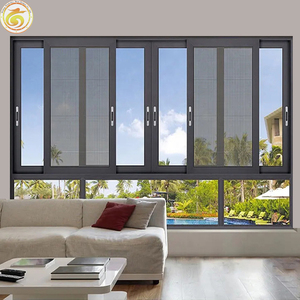
Thermal Break · Double Glazed
Factory-direct engineered Fenestration systems manufactured with weather-resistant white fluoropolymer coating, multi-chamber thermal barriers, and heavy-duty acoustic glazing.
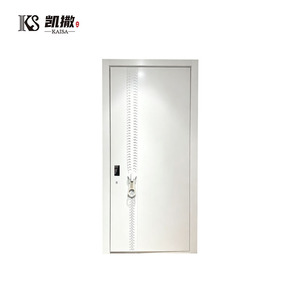
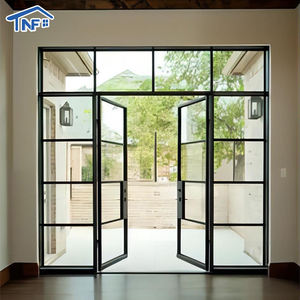
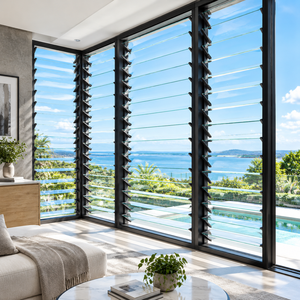
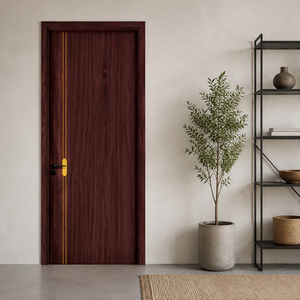
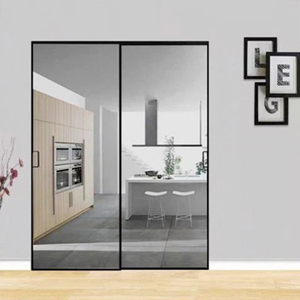
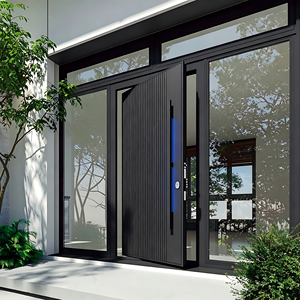
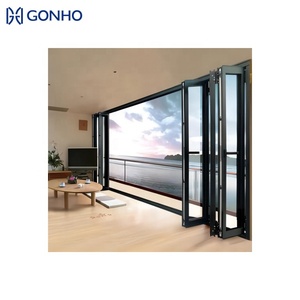
Nagoya and the broader Aichi Prefecture represent Japan’s industrial and technological core. Fenestration systems specified for Nagoya must seamlessly balance Net-Zero Energy House (ZEH) performance goals, intense typhoon season water-tightness (Ise Bay coastal squalls), and refined, minimal aesthetic lines favored in modern Japanese residential architecture.
From the hot, humid summer heatwaves of the Nobi Plain to the frigid winter winds ("Ibuki-oroshi") descending from the Suzuka and Ibuki mountains, white aluminum windows in Nagoya face severe environmental fluctuations.
Japan’s Ministry of Land, Infrastructure, Transport and Tourism (MLIT) has accelerated thermal insulation standards across Region 6 (which includes Nagoya). Our white aluminum window series integrates structural Polyamide (PA66 GF25) thermal breaks.
Nagoya's urban solar radiation combined with salt air blown from Ise Bay and Nagoya Port demands superior surface finishing. Standard paint yellowing or chalking is unacceptable for luxury developments.
Located along the Nankai Trough seismic watch zone and subject to autumnal typhoons, Nagoya structures demand rigid window sashes capable of enduring extreme cyclic wind loads.
Comprehensive comparative analysis highlighting engineering metrics critical for Japanese building certifiers, general contractors, and structural engineers in Aichi Prefecture.
| Performance Metrics | Standard Non-Thermal Aluminum | SAGA Thermally Broken White Aluminum | Local Japanese Competitor Baseline | Compliance / Standard Reference |
|---|---|---|---|---|
| Frame Thermal Transmittance (Uf) | > 5.8 W/m²K | 1.4 - 1.8 W/m²K | 2.1 - 2.5 W/m²K | JIS A 4710 / ISO 10077-2 |
| Air Infiltration Rating | Low (A-1 Grade) | Ultra-Tight (A-4 / JIS Level) | Standard A-3 Grade | JIS A 4706 / AS2047 |
| Water Tightness Pressure | 250 Pa (W-2) | 750 - 1000 Pa (W-5 High Performance) | 500 Pa (W-4) | JIS A 4706 / NAFS Standard |
| Sound Reduction (Acoustic STC) | 22 - 25 dB | 38 - 42 dB (With Laminated Double Glass) | 30 - 34 dB | ISO 140-3 / JIS T-3 Level |
| Surface Coating Warranty | 2 - 3 Years Powder Coat | 10 - 15 Years PVDF / Fluoropolymer Coating | 5 Years Standard Anodized | AAMA 2605 / ISO 9001 |
| Seismic Interlocking Capacity | Basic Rigid Joint | Flexible EPDM Corner Gaskets + Reinforced Cleats | Standard Joint | Japanese Building Standards Act Art. 82 |
Custom fabricated to match precise architectural drawings for residential, commercial, and industrial developments throughout Aichi Prefecture.
In high-end residential districts such as Hoshigaoka, Yagoto, and Chikusa, modern Japanese home designs favor minimalist white fenestration frames that merge seamlessly with light timber exteriors and white plaster paneling.
Around Nagoya Station (Meieki) and the Sakae commercial hub, mixed-use retail and boutique hotel developments demand sleek white aluminum shopfronts and curtain wall systems with high fire and sound resistance.
Developments situated near the Port of Nagoya, Chita Peninsula, and Centrair (Chubu Centrair International Airport) require specialized fenestration engineered to withstand constant salt spray and high ocean wind loads.
Aichi Prefecture is world-renowned as an automotive engineering capital. Corporate R&D facilities in Toyota City and Kariya demand fire-rated interior white aluminum doors and cleanroom partition systems.
With over 16 years of direct factory export experience, SAGA operates a fully integrated 50,000 m² manufacturing plant equipped with automated German CNC machining lines, precision corner crimping systems, and rigorous quality inspection protocols.
We work directly from your architectural plans. Our dedicated fenestration engineering team produces complete shop drawings, profile section details, structural wind load calculations, and installation guides before production starts.
Shipped directly from Fujian’s deep-water ports (Fuzhou / Xiamen) directly to the Port of Nagoya (Meiko). Every order is encased in steel-reinforced export wooden crates with protective peel-off film on all white profile surfaces.
100% of sashes are dry-fitted, dimensionally verified, water-pressure tested, and hardware-checked prior to container loading. We issue complete quality inspection certificates with every shipment.
Essential technical and logistical answers for Japanese construction companies, window dealers, and general contractors sourcing white aluminum fenestration systems from China.
Our white aluminum window profiles are engineered to meet or exceed JIS structural and thermal requirements. We utilize multi-chamber polyamide thermal breaks, EPDM weatherstripping, and high-performance double glazing tested for wind load resistance (S-5 level), air tightness (A-4 level), and water tightness (W-5 level). Technical test reports are provided for certifier sign-off in Aichi Prefecture.
We recommend our high-durability Fluoropolymer (PVDF) or AkzoNobel Interpon architectural powder coating in Pure White (RAL 9016) or Soft Matt White. These coatings are specifically formulated to resist intense UV radiation, preventing chalking, fading, or yellowing even after decades of exposure in Japan’s coastal urban climate.
Factory manufacturing typically takes 35 to 45 days after CAD shop drawings are approved. Direct sea freight transit from our loading ports in Fujian (Fuzhou/Xiamen) to the Port of Nagoya takes approximately 4 to 7 days, providing one of the fastest international supply line turnarounds in East Asia.
Yes. Every window and door order is 100% made to measure. We produce sliding, casement, tilt & turn, awning, chain-winder, fixed picture, and louver systems according to your exact structural rough openings, including specialized sub-frame profiles designed for Japanese timber and steel construction.
By bypassing multi-tier domestic trading distributors, contractors and developers in Nagoya can reduce fenestration procurement costs by 25% to 40% while obtaining superior thermal break performance, thicker extrusions, and premium hardware options (such as German ROTO or Siegenia systems).
SAGA provides a comprehensive 10-year factory warranty on aluminum frame extrusions and structural glass seals, along with a 5-year warranty on moving hardware. Replacement components and technical guidance are readily dispatched via express courier to keep site schedules on track.
Send us your architectural plans, elevation schedules, or tender specifications today. Our senior fenestration engineering team will prepare detailed CAD shop drawings and an itemized factory-direct quote within 24 hours.